 Skip to content
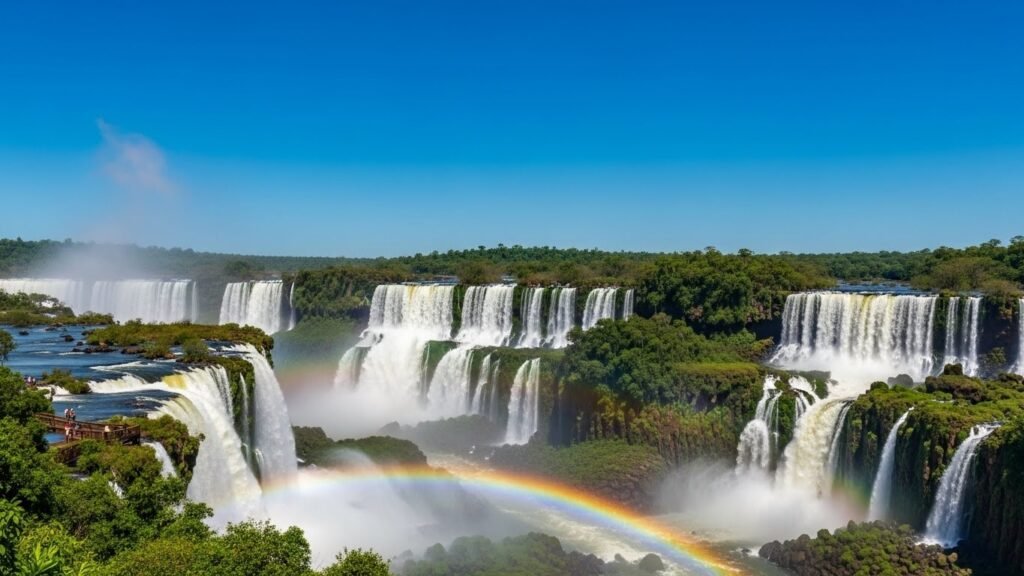
Planning an amazing iguazu trip is a dream for many travelers around the world. This place is one of the most famous spots in South America for a reason. You get to see massive waterfalls that will totally blow your mind. It is way bigger than Niagara Falls and is a top nature wonder. This guide covers everything you need to know for your big adventure.
Understanding the Majesty of Iguazu Falls
The scale of this place is hard to believe until you see it. It is twice as wide as Niagara and much higher than it too. Only Victoria Falls in Africa is in the same league for size. You will feel the ground shake from the power of the water.
The layout of the falls is a giant system of 275 different drops. These cascades stretch for over 1.7 miles along the border of two countries. The water flows through a lush rainforest that is full of life. It is truly a massive ecosystem that feels like a real-life movie set.
UNESCO calls this a World Heritage site because it is so special. It was also named one of the New Seven Wonders of Nature recently. People from all over the planet come here to see this beauty. It is a bucket list item that you simply cannot miss out on.
The power of nature here is truly on another level of intensity. During the rainy season, the water volume is absolutely massive and loud. It can reach a flow rate of 450,000 cubic feet every single second. Witnessing this force is a moment you will remember for your whole life.
Planning and Logistics
Choosing Your Base: Argentina vs. Brazil

The Argentine side is located in the town called Puerto Iguazu. This side holds about 80% of all the waterfalls in the park. It offers an intimate experience because you get very close to the water. You can spend hours walking on trails that go over the drops.
The Brazilian side is based in the city of Foz do Iguaçu. This side is famous for giving you the best panoramic views. It is the place to go for that perfect postcard photo. You can see the whole scale of the canyon from this side.
The best verdict is to visit both sides if you have time. If you only have one day, stick to the Argentina side. It has more activities and trails to keep you busy all day. However, seeing both sides gives you the most complete iguazu trip experience.
When to Visit: Weather and Water Levels
Peak season happens from December to February and also during July. These times are very crowded because locals are on their own vacations. Prices for hotels and flights will be much higher during these months. You will also wait in longer lines for the park trains.
The shoulder seasons are the best times for a perfect iguazu trip. This includes March to May and September to November each year. The weather is pleasant and the crowds are much smaller than usual. You get more space to enjoy the views without feeling rushed.
The rainy and dry seasons change how the falls actually look.
- October to April is the rainy season with hot and humid days.
- Water levels are highest now, making the falls look very powerful.
- April to September is the drier season with much milder temperatures.
- View clarity is usually better now even if the water volume is lower.
Essential Documentation and Entry
You must bring your original passport to enter the national parks. This is true for both the Argentine and the Brazilian sides. Park rangers will check your ID when you buy your tickets. Keep it in a waterproof bag so it does not get wet.
Check your visa requirements before you start your big iguazu trip. Some travelers need a visa to enter Brazil or Argentina specifically. This depends on which country issued your passport to you. Do this early so you do not have trouble at the border.
Park fees are paid at the entrance of each national park. The price in Argentina is about AR$600 but this changes often. They usually take credit cards but having some local cash is smart. Argentina gives a 50% discount if you visit for a second day.
- Operating Hours: In Argentina, the park is open from 8:00 AM to 6:00 PM. In Brazil, gates open at 9:00 AM on weekdays and 8:30 AM on weekends.
- Pricing Updates: Non-resident adult tickets for the Argentine side cost approximately $32 USD (45,000 ARS). The Brazilian side costs about $24 USD (130 BRL).
- Night Experience: The “Full Moon Walk” in Argentina costs roughly $63 USD (85,000 ARS) and must be booked in advance.
Getting There and Around

Flying into the Region
If you stay in Argentina, fly into the IGR international airport. Most flights come from Buenos Aires and take about two hours. Airlines like Aerolineas Argentinas and JetSmart fly here every single day. It is a very easy and quick hop from the city. The IGR airport is about 10 km (6 miles) from the park entrance.
On the Brazilian side, you will fly into the IGC airport. This airport is very close to the town of Foz do Iguaçu. It handles many flights from Rio de Janeiro and São Paulo daily. You can easily find a flight that fits your travel schedule. The IGC airport is extremely close to the park, located only 3 km (2 miles) from the entrance.
Local Transportation Options
Public buses are a great way to save some money here. The Rio Uruguay bus runs every 20 minutes in Puerto Iguazu. It takes you right from the town center to the park gate. It is cheap and very reliable for all kinds of travelers. A round trip ticket is approximately 130 ARS.
Taxis and remises are available for a more private ride experience. These often have fixed prices for trips to the waterfalls. You can also book a private minivan if you have a group. This is a fast way to get to your hotel directly.
- Border Crossing Tips: Crossing can take 30–60 minutes, but up to 2 hours during peak holidays.
- Tourism Lanes: Private transfer services often have access to a special tourism lane at the border, which is much faster than public bus lanes.
The Rainforest Ecological Train is a cool way to move in Argentina. It is a green train that runs on clean gas for nature. It stops at Central Station, Cataratas Station, and the Devil’s Throat. The train ride is already included in your park entry ticket and usually runs every 15 to 30 minutes.
Exploring the Argentine Side (Iguazu National Park)
The Devil’s Throat (Garganta del Diablo)

The Devil’s Throat is the absolute highlight of any iguazu trip. You walk on a long bridge over the river to reach it. You will stand right above the spot where the water drops. The mist is so thick that you will get totally soaked.
It is smart to go here as soon as the park opens. Most tour groups arrive later in the morning and get crowded. If you beat the crowd, you can take amazing photos alone. It is the most powerful part of the entire park system.
The Upper Circuit (Paseo Superior)
The Upper Circuit lets you walk along the top edge of falls. You get to see the water right before it makes the drop. It provides a great perspective on how much water is moving. The trail is about 1750 meters long and very easy to walk.
This path is totally flat and accessible for almost everyone visiting. It offers many balconies where you can stop and look down. You will see the river stretching out into the jungle distance. It is a relaxing walk with some of the best views.
The Lower Circuit (Paseo Inferior)
The Lower Circuit takes you down near the base of falls. You get to look up at the massive walls of water. This trail is about 1600 meters (1 mile) long through the thick jungle. It feels like a real adventure as you explore the forest.
Be ready for some stairs and hills on this specific trail. It is a bit more work than the flat Upper Circuit path. You will see smaller falls like the Carlos Bozzetti cascade here. It is a great way to see the park’s details.
San Martin Island
You can reach this island by taking a free boat ride. The boat leaves from the Lower Circuit area during the day. It only runs when the river water levels are not high. It is a hidden gem that many people often miss out on.
The island has its own trails and very unique viewpoints. You will be right in the heart of the falls system. It is a great place to escape the main park crowds. The views from the island are simply spectacular and very different.
Macuco Trail
This is a 7km round-trip hike through the deep rainforest. It is a dirt path that is perfect for nature lovers. You will not see many other people on this long trail. It is the best place to find peace in the park.
The trail ends at the beautiful Arrechea waterfall in the woods. It is a great spot for birdwatching and seeing rare plants. You might even spot some monkeys or other wild animals here. Bring plenty of water because it gets hot on the trail.
Exploring the Brazilian Side (Iguaçu National Park)

Panoramic Walkways
The Brazilian side has one main path for all the visitors. It is approximately 1,500 meters (0.9 miles) long and offers constant wide-angle views of the Argentine falls. You can see dozens of waterfalls at the same time here. It is the best place for panoramic landscape photography.
Salto Floriano is a cool spot you will see on this path. You can walk down to the bottom for a mist experience. The spray from the water feels great on a hot day. It is a powerful reminder of how big these falls are.
The Elevator and Salto Union
There is a big glass elevator at the end of the path. It takes you from the bottom of the falls to the top. This saves you from climbing many stairs in the humidity. It also gives you a changing view as you go up.
The Salto Union walkway is a pier that goes over water. It takes you very close to the base of Devil’s Throat. You will be surrounded by white water and loud thunder. It is a thrilling end to your visit on this side.
Adventure Activities and Tours

Boat Excursions: Getting Soaked
The “Gran Aventura” in Argentina is a wild boat ride. It starts with a truck ride through the jungle first. Then you get on a fast boat that goes into falls. You will get completely wet from head to toe here.
- Cost: Approximately $52 USD (70,000 ARS).
- Duration: Lasts about 2 hours in total including the truck portion.
The “Macuco Safari” is the version you find in Brazil. It is a very professional tour with high-quality boats. They take you right into the spray of the cascades. It is a massive adrenaline rush for any adventure fan.
- Cost: Approximately $64 USD.
- Duration: The actual boat portion is roughly 30 minutes.
Aerial and Technical Tours
You can take a helicopter tour on the Brazilian side. This is the only way to see the falls from above. It gives you a bird’s-eye view of the entire canyon. The flight is short (approx. 10 minutes) but the views are totally incredible.
- Cost: Roughly $105 USD to $130 USD per person.
The Itaipu Dam is another cool place to visit nearby. It is one of the largest power plants in the world. You can take a tour to see how it works. It is a feat of engineering that is very impressive.
- Parque das Aves (Bird Park): Located right across from the Brazilian park entrance. It features over 160 bird species and costs about $30 USD (160 BRL).
Wildlife and Nature

Common Encounters
You will definitely see many coaties during your iguazu trip. They look like cute raccoons but they can be very mean. Never feed them because they will try to bite you. They are very good at stealing food from bags too.
The park is home to many other amazing wild animals.
- Monkeys often hang out near the places where people eat.
- Toucans can be spotted high up in the jungle trees.
- Butterflies come in thousands of colors and might land on you.
- Jaguars live in the park but are very hard to see.
Travel Tips and Preparation
What to Pack
Waterproofing is the most important thing for your iguazu trip.
- Rain ponchos are a must to keep your clothes dry.
- Dry bags will protect your phone and your camera gear.
- Sunscreen is needed because the sun is very strong here.
- Bug spray will keep the jungle mosquitoes away from you.
- Quick-dry Clothing: Avoid jeans or heavy cotton. Once they get soaked, they become very heavy and uncomfortable.
Comfortable shoes with good grip are also very important items. The metal walkways can get very slippery from all the mist. You will be walking several miles during your visit today. Do not wear flip-flops if you want to be safe.
Safety and Etiquette
Always stay on the marked paths while you are walking. The park is a fragile place and we must protect it. Do not try to climb over the rails for photos. This keeps you safe and saves the local plants too.
- Dining Strategy: The Gargantua Station in Argentina is often less crowded and has fewer pests than the main Cataratas Station food area.
- Photography Tip: Carry a microfiber cloth to clean your camera lens from constant mist before taking photos.
Where to Stay and Dine

Accommodations
If you want luxury, stay at a hotel inside the park. The Gran Meliá in Argentina has views of the falls. The Belmond in Brazil is a beautiful pink colonial building. You get the park to yourself after it closes.
- Jungle Lodges: Falls Iguazu Hotel and Spa, La Aldea de la Selva, and Miraselva Lodge offer a peaceful forest experience.
- City Centers: Hotel Saint George is highly recommended in Puerto Iguazu for its proximity to the bus station.
- Budget Options: The Host (Puerto Iguazu) and Tetris Container Hostel (Foz do Iguaçu) are excellent for budget travelers.
Dining and Nightlife
Puerto Iguazu has a lively food scene for hungry travelers. You must visit La Feirinha for some local snacks. There are many steakhouses serving world-famous Argentine beef here. The food is delicious and usually very affordable too.
Most local restaurants will accept several types of currency today. This includes US dollars, Euros, and Brazilian reals too. However, paying in Argentine pesos is often the best deal. Check the exchange rates before you sit down to eat.
Conclusion
Wrapping up your iguazu trip will leave you with a lifetime of epic memories. These waterfalls are a huge reminder of how powerful and beautiful our planet is. Whether you stood in the mist at Devil’s Throat or saw the sunset from the Brazilian side, it is an experience that stays with you. This place is way more than just a quick photo stop in South America. It is a deep dive into a wild rainforest world that feels truly alive.
A successful iguazu trip comes down to a bit of smart planning and a lot of wonder. By picking the right time to visit and packing the correct gear, you can avoid the small stresses. You now know which trails to hike first and how to handle the local wildlife safely. Following these tips ensures you get the most out of every minute spent in the national parks. You can focus on the views instead of worrying about your next move.
Now is the perfect time to start booking your own big adventure to the falls. The roar of the water and the bright rainbows are waiting for you right now. Grab your passport and your camera to start this incredible journey soon. Every traveler should see the majesty of Iguazu at least once in their lives. Your perfect iguazu trip is just a flight away, so get ready to be totally amazed.
FAQs About Your Iguazu Trip
Is there a direct pedestrian bridge between the two sides of the falls?
No, you cannot walk directly from the Argentine park to the Brazilian park. The falls are separated by the Iguazu River, so you must leave one park and travel by road. You will cross the Tancredo Neves International Bridge and go through official border control to reach the other side.
Do I need a yellow fever vaccination for my iguazu trip?
While not strictly mandatory for entry, it is highly recommended by health organizations. The falls are located in a subtropical jungle area where mosquito-borne diseases are a small risk. Always check the latest health advisories from your local embassy or a travel clinic before you fly.
Can I find any ATMs inside the national parks?
ATMs are very rare and often unreliable inside the actual park grounds. It is much better to withdraw cash in the town of Puerto Iguazu or Foz do Iguaçu before you arrive. Many small kiosks or lockers within the park might only accept cash for small payments.
Is the tap water safe to drink in the region?
It is generally not recommended to drink tap water in the Iguazu region. Most travelers stick to bottled water or filtered water provided by their hotels to avoid any stomach issues. You can buy bottled water at many snack stations throughout both parks.
What is the Three Borders Landmark?
This is a unique spot called the Hito Tres Fronteras where you can see Argentina, Brazil, and Paraguay meet. There is a monument in the town of Puerto Iguazu with a view across the river junction. It is a great place to visit in the evening to see the sunset and a light show.
Are there any luggage lockers at the park entrances?
Yes, both the Argentine and Brazilian sides offer coin-operated or staff-managed lockers. These are perfect for storing your heavy bags or dry clothes while you explore. It is a great help if you are visiting the falls directly from the airport before checking into a hotel.
Can I visit the falls during a full moon?
Yes, the Argentine side offers a special Full Moon Walk for five nights every month. This tour takes you on the train and out to the Devil’s Throat under the moonlight. It is a very magical experience that requires booking far in advance because it sells out quickly.
Is the park accessible for travelers with disabilities?
Iguazu is surprisingly accessible, especially on the Argentine side. Most of the main trails like the Upper Circuit and the path to Devil’s Throat use flat, metal walkways. The park also has special carts and ramps to help visitors with mobility issues enjoy the views.
What kind of electrical plugs are used in the area?
In Argentina, they mostly use Type C and Type I plugs with a 220V current. Brazil uses a mix of Type N and Type C with varying voltages. It is a smart move to bring a universal adapter so you can charge your phone and camera on both sides.
Is there free Wi-Fi available throughout the parks?
There is limited free Wi-Fi at the main visitor centers and some large restaurants. However, once you get deep into the jungle trails, the signal is very weak or gone. Do not rely on the internet for navigation; it is better to download an offline map before you enter.
What should I do if a coati tries to steal my food?
If a coati approaches you, stay calm and do not try to pet it or take your food back by hand. These animals have sharp claws and can bite if they feel threatened. Simply step away and let the park staff handle any aggressive animals near the picnic areas.
Are there any vegetarian or vegan food options in the park?
The main buffet restaurants and snack bars usually have some salad, pasta, and fruit options. However, the variety is quite limited compared to the towns. If you have a strict diet, it is a good idea to pack some of your own snacks or a sandwich.
Can I fly a drone to get aerial photos of the falls?
Flying drones is strictly prohibited in both the Argentine and Brazilian National Parks. This rule is in place to protect the local birds and ensure the safety of other visitors. You could face a heavy fine or have your equipment taken away if you are caught flying one.
How much time should I plan for the border crossing?
A typical border crossing takes between 30 to 60 minutes. However, during the peak holiday season or weekends, the lines can get much longer. If you are taking a public bus, the bus might wait for you or you might have to catch the next one after you finish your paperwork.
What is the “Blue Dollar” and how does it affect my iguazu trip?
The Blue Dollar is an unofficial exchange rate in Argentina that often gives you more pesos for your foreign cash. If you bring physical US dollars, you can sometimes get a much better deal than using a credit card. This can make your trip significantly cheaper if you plan it correctly.
Is there a pharmacy inside the national parks?
There are no full pharmacies inside the park grounds, only basic first-aid stations for emergencies. If you need specific medicine or motion sickness pills for the boat, buy them in town first. Always carry a small personal first-aid kit in your daypack just in case.
What are the “Great Dusky Swifts” seen at the falls?
These are special birds that actually live and nest on the rocky cliffs behind the falling water. You can see them diving through the heavy spray to reach their homes. They are a symbol of the park and are amazing to watch during the sunset hours.
Can I swim in the river near the waterfalls?
Swimming is strictly prohibited in the Iguazu River near the falls for safety reasons. The currents are extremely strong and very dangerous even for good swimmers. If you want to swim, most hotels in the towns have great pools for you to enjoy.
Are there laundry services available in the towns?
Yes, both Puerto Iguazu and Foz do Iguaçu have many “lavanderias” where you can drop off your wet clothes. They usually wash and dry them for you within 24 hours for a small fee. This is very helpful since your clothes will definitely get wet at the falls.
Can I visit Paraguay as part of my iguazu trip?
Yes, many people take a quick trip to Ciudad del Este in Paraguay for tax-free shopping. It is located just across the bridge from Foz do Iguaçu. Keep in mind that it is a very busy and chaotic city, so it is a very different vibe than the peaceful parks.