 Skip to content
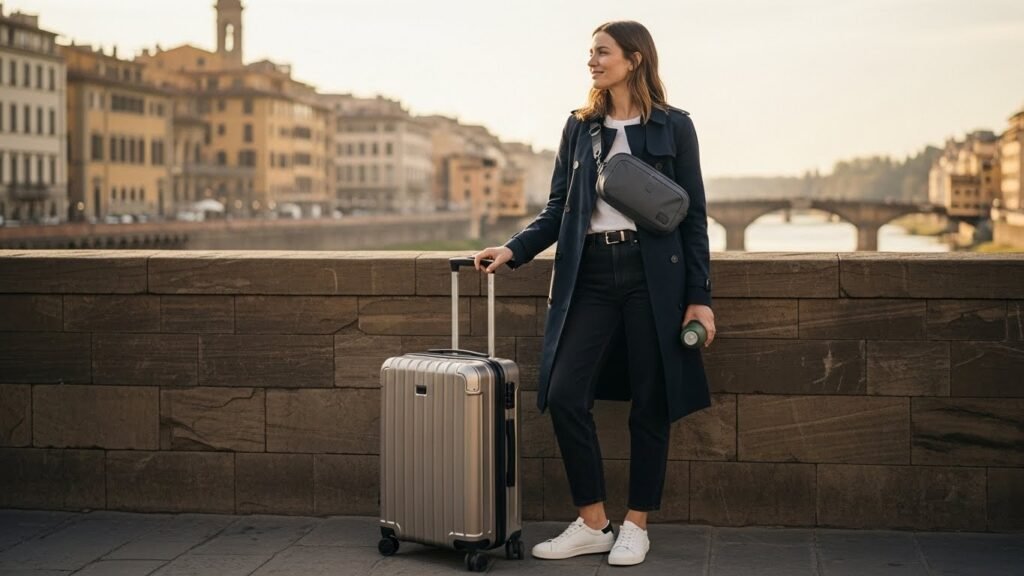
Planning a big trip across the pond is super exciting. You probably have visions of eating pasta in Italy or seeing the Eiffel Tower. But then you look at your empty suitcase and panic sets in. Figuring out what to pack for europe trip can feel like a total nightmare. You want to look cool but your feet cannot handle those cobblestones. Do not worry because I have got your back on this one. This guide will show you exactly how to pack smart and light. You will be the most stylish and prepared person on the train. Let us dive into the secrets of packing for your big adventure.
Core Essentials: The Everywhere in Europe Kit
Every country in Europe has its own vibe and style. However, some things are just non-negotiable no matter where you go. These are the items that will save your life daily. You need to focus on things that work hard for you. Do not pack anything that only has one single use. Space is your most valuable asset when traveling between cities. Think of these items as your survival kit for the continent. They will keep you moving without any unnecessary stress or pain.
The Golden Rule of Footwear

Your feet are going to do a lot of work on this trip. Most people walk way more in Europe than they do back home. You should expect to hit at least 20,000 steps every single day. If your shoes are not comfortable, your whole vacation will be ruined. Cobblestone streets are very charming but they are brutal on your ankles. Never ever bring a pair of shoes you have not worn before. You need to break them in for weeks before you leave home.
- White Sneakers: Bring one pair of high-quality white sneakers that look clean and polished.
- Comfortable Flats: Pack dressier flats, wedges, or loafers for nice dinners at night.
- Seasonal Choice: Grab a pair of sandals for summer or ankle boots for the fall.
- No Stilettos: Leave the thin heels at home because they get stuck in the cracks of the streets.
- Walking Test: Make sure you can walk five miles in your shoes without feeling any hot spots.
The Church Accessory
Europe is full of beautiful old churches and cathedrals that you will want to see. Many of these places have strict rules about what you can wear inside. You usually need to have your shoulders and knees covered to show respect. It might be 90 degrees outside, but the rules still apply to everyone. This is where a simple accessory becomes a total game changer for your day. It is the easiest way to stay cool outside but stay respectful inside.
- Lightweight Scarf: A pashmina or large silk scarf is essential for covering up quickly.
- Versatility: You can also use it as a blanket on a chilly train ride.
- Style: A scarf can make a basic t-shirt look way more chic for a photo.
- Knee Coverage: You can wrap a large scarf around your waist like a skirt if needed.
Universal Tech Basics
The electricity in Europe is not the same as it is in the USA. If you just try to plug in your phone, you might be in trouble. You need the right tools to keep your gadgets juiced up and ready. Imagine being lost in a foreign city with a dead phone battery. That is a situation you definitely want to avoid at all costs. Modern travel depends on tech, so you have to be prepared.
- Plug Adapters: Get Type C or F for the mainland and Type G for the UK.
- Portable Power Bank: A high-capacity charger is a must-have for long sightseeing days.
- Noise-Canceling Headphones: These are lifesavers for noisy planes, trains, and buses.
- Dual Voltage: Ensure your electronics can handle 220 volts or they will fry.
Health and Hygiene
Getting sick or having a blister can really slow you down on your trip. European pharmacies are great, but it is easier to have the basics with you. You do not want to be hunting for a bandage in a language you do not speak. Having a small kit in your bag will give you peace of mind. It allows you to fix small problems before they become big ones.
- First-Aid Kit: Pack Ibuprofen, Paracetamol, and plenty of Band-Aids for blisters.
- Electrolytes: These help you stay hydrated and recover from jet lag faster.
- Sanitization: Bring hand sanitizer and small packs of tissues for public restrooms.
- Reusable Bottle: A water bottle saves you money and helps the environment.
- Laundry Soap: Travel-sized detergent allows you to wash socks in your hotel sink.
The Carry-On Survival Strategy

Many travelers worry about their checked luggage getting lost or delayed. This is why your carry-on bag needs to be packed with extreme care. It should contain everything you need to survive for at least a full day. If your big suitcase goes to Rome and you go to Paris, you will be okay. This strategy takes the stress out of flying across the ocean. You will feel much more in control of your journey.
Critical Documentation
Losing your ID or travel papers is a huge headache that ruins trips. You need to have multiple ways to show who you are and where you are going. Technology is great until your phone dies or you have no internet. That is why having physical backups is so important for every traveler. Keep these items in a secure spot that is easy for you to reach.
- Passport: Always double-check that your passport has at least six months of validity.
- Travel Permits: Have your ETIAS or ETA approval pages printed and ready to show.
- Secondary ID: Bring a driver’s license or a student ID to get museum discounts.
- Physical Copies: Print out your insurance info and hotel bookings just in case.
- Digital Folder: Save photos of all documents in an offline folder on your phone.
The Lost Luggage Insurance Kit
You do not want to wear the same sweaty clothes for three days if your bag is lost. A small survival kit in your carry-on is your best friend. It should include the things you absolutely cannot live without for 24 hours. This little bit of planning makes a massive difference in your mood. You can still enjoy your first day even without your main suitcase.
- Change of Clothes: Pack one clean outfit, including underwear and socks.
- Sleepwear: Bring lightweight pajamas so you can rest comfortably at your hotel.
- Basic Toiletries: Include a toothbrush and small versions of your daily skincare.
- Prescriptions: Keep all your important medications in your carry-on bag always.
Financials
Dealing with money in a different currency can be a little confusing at first. You need a mix of digital and physical ways to pay for things. Most places in big European cities love tap-to-pay options now. However, that small gelato shop in a tiny village might only take cash. Being prepared with both will keep your trip moving smoothly.
- Credit Cards: Use cards that do not charge extra fees for foreign transactions.
- Tap-to-Pay: Ensure your cards have the contact-less symbol for easy payments.
- Debit Card: This is the best way to get local currency from an ATM.
- Emergency Cash: Keep a small amount of cash hidden in a separate spot.
- Banking App: Tell your bank you are traveling so they do not block your cards.
Master Packing Philosophies and Mistakes to Avoid
Packing is not just about throwing stuff in a bag and hoping for the best. It is a real strategy that helps you travel better and faster. If you pack the right way, you will feel lighter and more free. You want to focus on quality over quantity for every single item. This approach helps you avoid the common mistakes that most tourists make. Let us look at how to pack like a seasoned travel pro.
The Capsule Wardrobe Method

The secret to looking great without a huge bag is the capsule wardrobe. This means every single piece of clothing you pack works with everything else. You can make dozens of different outfits from just a few key items. This saves you so much space and makes getting dressed very easy. You will never have that feeling of having nothing to wear on your trip.
- Color Palette: Stick to neutral colors like black, navy, white, and beige.
- Mix and Match: Ensure every top you pack looks good with every bottom you pack.
- 5-4-3-2-1 Rule: Pack 5 tops, 4 bottoms, 3 shoes, 2 dresses, and 1 accessory.
- Elevated Basics: Choose high-quality t-shirts and tailored pants for a classic look.
Common Pitfalls
Many people stand out as tourists for the wrong reasons in Europe. This can sometimes make you a target for people looking to take advantage of travelers. You want to blend in with the locals as much as possible for safety and style. Avoiding certain items will help you feel more at home in a new city. It also makes your overall travel experience much more pleasant and authentic.
- Athletic Wear: Skip the gym shorts and leggings unless you are actually working out.
- Logos: Avoid wearing large sports logos or bright college sweatshirts in the city.
- Overpacking: If you cannot carry your bag up stairs easily, you have too much.
- Heat Tools: Standard hair dryers and steamers from home will not work and might break.
Strategic Organization
Keeping your bag organized is the only way to stay sane on a multi-city trip. You do not want to dig through a messy pile of clothes every morning. Using a system helps you find what you need in seconds. It also makes repacking your bag for the next destination a breeze. This is a small step that pays off in a big way every day.
- Packing Cubes: Use cubes to group items like socks, tops, and underwear together.
- Color Coding: Use different colored cubes for each person or each type of clothing.
- Roll Your Clothes: Rolling instead of folding saves space and prevents wrinkles.
- Shoe Bags: Keep your dirty shoes away from your clean clothes with small bags.
Seasonal and Regional Variations
Europe is a big place with many different climates and types of weather. What works for a beach in Spain will not work for a mountain in Switzerland. You have to tailor your list to the specific places you are visiting. This keeps you from being too hot or too cold during your adventure. Understanding the regions will help you make the best choices for your suitcase.
Southern Europe

Southern Europe is known for being very sunny and quite hot during the summer. Cities like Rome, Barcelona, and Athens can be intense in July and August. You need clothes that let your skin breathe while still looking put together. Air conditioning is not as common or as strong as it is in the USA. Preparing for the heat is the most important part of this regional list.
- Breathable Fabrics: Choose linen and light cotton for shirts, pants, and dresses.
- Sun Protection: Pack a wide-brimmed hat and plenty of high-quality sunscreen.
- Handheld Fan: A small portable fan is a lifesaver when standing in long lines.
- Swimwear: Do not forget your suit for the beautiful Mediterranean beaches.
Central and Western Europe
Central Europe has weather that can change very quickly throughout the day. You might start with sunshine and end with a chilly breeze or rain. Places like Paris, Berlin, and Amsterdam require a bit more flexibility in your wardrobe. Layering is the most important strategy for these stylish and busy cities. You want to be ready for anything the sky throws at you.
- Trench Coat: A classic trench is perfect for rain and looks very chic in Paris.
- Blazers: A neutral blazer can instantly dress up a simple pair of jeans.
- Knitwear: Bring a light sweater or cardigan for those cooler evening walks.
- Umbrella: A compact umbrella should live in your day bag at all times.
Northern Europe and Scandinavia
Northern Europe is famous for its stunning landscapes and unpredictable rain. Even in the summer, it can be quite brisk in places like Iceland or Norway. You need to focus on staying dry and warm without carrying too much bulk. This region is all about being practical while still staying comfortable. If you are doing any trekking, your gear needs to be top-notch.
- Rain Jacket: A high-quality waterproof jacket is absolutely mandatory here.
- Hiking Boots: Bring sturdy boots if you plan on exploring trails or glaciers.
- Base Layers: Thin wool layers help keep your body temperature stable.
- Sturdy Umbrella: Wind can be strong, so you need an umbrella that will not flip.
The Winter Strategy
Visiting Europe in the winter is magical because of the holiday markets and snow. However, it requires a completely different approach to what to pack for europe trip. You have to stay warm but you also do not want to look like a giant marshmallow. The secret is focusing on your outer layers since that is what people see. This strategy keeps you cozy and looking great in all your vacation photos.
- Three-Layer System: Use a thermal base, a warm middle, and a waterproof outer coat.
- The Photo Rule: Pack two different coats if you can to vary your look in pictures.
- Wool Socks: Keep your toes warm and dry with high-quality wool socks.
- Accessories: Do not forget a warm hat, gloves, and a heavy scarf for the wind.
Security, Safety, and Connectivity
Keeping yourself and your belongings safe is a top priority for any traveler. European cities are generally very safe, but pickpocketing is common in tourist areas. You also need to stay connected so you can find your way around easily. A few smart tools can help you avoid a lot of potential trouble. These tips will give you the confidence to explore even the busiest city centers.
Anti-Theft Tactics

Pickpockets in big cities like Paris or Rome are very skilled and fast. They look for easy targets who are not paying attention to their bags. You can make yourself a much harder target with just a few simple changes. It is all about making it difficult for anyone to reach your valuables. This allows you to focus on the sights instead of worrying about your wallet.
- Crossbody Bags: Use a bag with a zipper that stays in front of your body.
- Phone Lanyards: A leash for your phone prevents someone from grabbing it out of your hand.
- AirTags: Hide Apple AirTags in your bags so you can track them if they get lost.
- Internal Zippers: Look for bags that have extra hidden pockets on the inside for cash.
Solo Female Traveler Specifics
Traveling alone as a woman is an incredible and empowering experience. However, it does mean you have to be a little extra aware of your surroundings. Having a few specific items in your bag can help you feel much more secure. These small things provide a layer of protection that lets you relax and enjoy. Most of these items are small and take up almost no space in your suitcase.
- Door Locks: A portable door lock adds extra security to your hotel or rental room.
- Fake Ring: Some women wear a simple wedding band to avoid unwanted attention.
- Emergency Fund: Keep enough cash for a taxi if you ever feel uncomfortable in a spot.
- Local Laws: Check if things like pepper spray are legal before you try to bring them.
Digital Essentials
Being able to use your phone for maps and translations is a huge help. You do not want to rely on finding free Wi-Fi everywhere you go. Setting up your connectivity before you land will save you a lot of time and stress. Modern technology makes it very easy to stay in touch with home while abroad. This is one area where a little prep goes a long way.
- eSIM: Buy a digital SIM card for affordable local data without changing physical cards.
- Data Plan: Check if your home carrier has an international roaming deal for your trip.
- Offline Maps: Download maps of the cities you are visiting to use without internet.
- Translation Apps: Have an app ready that can translate text through your camera lens.
Best Anti-Theft Bags and Tech Gadgets for Your Europe Trip
Staying safe and connected is a huge part of knowing what to pack for europe trip. European cities are beautiful, but you need to protect your gear from pickpockets in busy areas. Smart tech gadgets also help you navigate new streets without getting lost or running out of battery. Here are the best tools to keep your valuables secure and your phone charged.
- Crossbody Bags: Choose a bag with a strap that goes across your chest and has internal zippers to keep items close to your body.
- Phone Lanyards: Use a phone leash or lanyard to prevent someone from grabbing your device out of your hand in crowded metro stations.
- Apple AirTags: Hide these small trackers in your luggage or backpack so you can find them if they are ever lost or stolen.
- Internal Zippers: Look for bags that have hidden pockets against your back for your extra cash and passport.
- Portable Power Bank: A slim, high-capacity charger is essential so your phone doesn’t die while you are using maps.
- Universal Plug Adapter: Bring an adapter that works for Type C and F outlets in mainland Europe and Type G for the UK.
- eSIM Data Plan: Use a digital SIM card to get local data instantly without having to hunt for a physical card.
- Noise-Canceling Headphones: These are great for blocking out noise on long train rides or flights.
These items will help you feel more confident as you explore different regions and seasons. When you are prepared with the right gear, you can focus on the fun parts of your vacation. The 14-Day Best of Europe Itinerary: Putting the Packing List to Work
Seeing how all these items fit into a real trip helps everything click. A two-week trip across different regions is the perfect way to test your capsule wardrobe. You will be moving from chilly cities to warm coastlines and busy trains. This sample itinerary shows you how to use your gear in a practical way. It proves that you can travel light even for a longer and diverse adventure.
Days 1 to 4: London and Paris
This first leg is all about big cities and classic urban style. You will be doing a lot of walking and seeing some of the world’s most famous sites. The weather here can be a bit gray, so your layering pieces will be very important. You want to look polished but also be ready for a sudden rain shower. This is the time to break out your most stylish neutral pieces.
- London: Use your Type G adapter and keep your compact umbrella in your day bag.
- Paris: Wear your chic trench coat and sneakers for a day at the Louvre.
- Eurostar: Your 22-inch carry-on is perfect for the overhead bins on the fast train.
- Outfits: Use your blazer and a nice scarf for dinner at a local bistro.
Days 5 to 7: The Swiss Alps or Bavarian Highlands

Now you are moving from the city to the mountains for some fresh air. The temperature will drop as you go higher, so your base layers are key. This is the most active part of your trip where comfort is the only priority. You will be glad you packed those hiking boots and moisture-wicking shirts. It is a total change of scenery that requires a change in your daily gear.
- Organization: Use your packing cubes to easily find your warm mountain layers.
- Technology: Your portable power bank will keep your camera ready for the views.
- Outerwear: Your rain jacket works perfectly as a windbreaker for mountain hikes.
- Hydration: Fill your reusable water bottle with cold mountain spring water.
Days 8 to 11: Rome and Florence
Heading south into Italy means the heat is going to kick in significantly. You are trading mountain air for sunny piazzas and ancient history. This is where your linen shirts and midi dresses will finally shine. You will also be visiting many famous churches, so your scarf is a daily necessity. Staying cool and comfortable is the name of the game in these historic cities.
- Laundry: This is the perfect time to find a laundromat and refresh your clothes.
- Church Visits: Keep your scarf handy for entering the Vatican or the Duomo.
- Cooling Down: Use your handheld fan while waiting to see the Colosseum.
- Security: Keep your crossbody bag zipped tight in the crowded streets of Rome.
Days 12 to 14: The Amalfi Coast or French Riviera
Your final stop is all about relaxation by the beautiful blue water. You can finally slow down and enjoy the sunshine and the beach. Your swimwear and sandals will be your most-used items during these final days. This is also the time when you will probably do some last-minute souvenir shopping. You have survived the trip with just your carry-on, and now you can celebrate.
- Beach Ready: Pack your swimwear and a light cover-up for a day on a boat.
- Footwear: Wear your comfortable sandals for strolling through seaside villages.
- Souvenirs: Pull out your collapsible duffle bag for all the gifts you bought.
- Tracking: Check your AirTags one last time before you head to the airport.
Logistical Considerations for the Trip
Getting from point A to point B in Europe is a big part of the adventure. You will likely be using a mix of trains, planes, and local buses. Each of these has its own rules and challenges for people with luggage. Understanding these logistics helps you avoid extra fees and physical strain. It makes the “between” times of your trip much more manageable and easy.
- Bag Size: Keep your suitcase around 22 to 24 inches for the best experience.
- Train Storage: Large bags are hard to lift into the overhead racks on trains.
- Tiny Elevators: Many boutique hotels have elevators that only fit one person and one bag.
- Airline Limits: European budget airlines are very strict about the weight of carry-on bags.
The Bottom Line
Packing light is the absolute best gift you can give yourself for this trip. It gives you the freedom to move quickly and change your plans without any stress. When you focus on simplicity and comfort, you can actually enjoy the places you are visiting. You will not be worried about your heavy bag or your sore feet. Instead, you will be making memories that will last for your entire life. Now you know exactly what to pack for a European trip to make it a total success.
Frequently Asked Questions
Understanding every detail of what to pack for europe trip can help you feel more confident before you head to the airport. Here are additional answers to common questions that will help you finalize your packing strategy.
How many outfits should I bring for a two-week trip?
You should aim to pack enough for about 7 to 10 days and plan to do laundry midway through your journey. By using a capsule wardrobe, you can mix and match these pieces to create a different look for every day.
Do I need to bring formal wear for dinners?
Most European restaurants are comfortable with a smart-casual look, so full formal wear is usually unnecessary. A nice blazer or a dressy pair of flats can easily elevate your daytime outfit for a nice dinner.
Should I pack my own hairdryer or straightener?
It is best to leave your standard hair tools at home because the different voltage in Europe can cause them to break or fry. Most hotels and rentals provide hairdryers, and you should only bring dual-voltage tools if they are absolutely necessary.
What is the best way to handle laundry during the trip?
You can use travel-sized detergent to wash small items like socks in your hotel sink. For larger loads, finding a local laundromat around day eight is a great way to refresh your entire capsule wardrobe.
How do I avoid looking like a typical tourist?
To blend in, you should skip athletic wear like gym shorts or leggings and avoid clothing with large logos or bright college sweatshirts. Choosing elevated basics and neutral colors will help you match the local style in major cities.
Is it safe to use a backpack instead of a crossbody bag?
Backpacks can be harder to monitor in crowded areas, making them easier targets for pickpockets. A crossbody bag with a zipper that stays in front of your body is much more secure for your daily valuables.
What should I do if my checked luggage is lost?
If your main bag is delayed, your carry-on should already have a survival kit with a change of clothes, pajamas, and basic toiletries. Having your prescription medications in your carry-on ensures you are prepared for this situation.
Do I need a physical map of the cities I visit?
While physical maps are a good backup, downloading offline maps on your phone is much more convenient for daily navigation. This allows you to find your way even if you do not have an active internet connection.
Can I use my American credit cards everywhere?
Most big cities accept major credit cards, especially those with tap-to-pay symbols. However, you should carry some local currency for small shops or rural areas that may only take cash.
How do I protect my phone from being stolen?
Using a phone lanyard or leash is a very effective way to prevent someone from grabbing your phone out of your hand. It is also important to stay aware of your surroundings in high-traffic tourist zones.
Are there specific rules for visiting cathedrals?
Yes, many beautiful old churches require you to cover your shoulders and knees to show respect. Keeping a lightweight scarf in your bag allows you to cover up quickly whenever you want to go inside.
Should I bring an umbrella or a rain jacket?
In regions like Northern Europe or Scandinavia, a high-quality waterproof rain jacket is mandatory. For city trips in Central Europe, a compact umbrella that lives in your day bag is usually sufficient.
How do I pack souvenirs without overfilling my suitcase?
Bringing a collapsible duffle bag is the best strategy for handling extra items you buy during your trip. You can keep it folded in your main suitcase until you are ready to head home.
Is a money belt necessary for modern travel?
While some people still use them, many travelers now prefer crossbody bags with internal zippers or hidden pockets. These allow you to keep your money secure while still being easy to access.
What size suitcase is best for European trains?
A suitcase between 22 and 24 inches is ideal because large bags are difficult to lift into overhead train racks. Smaller bags also make it much easier to navigate tiny boutique hotel elevators.
How can I stay hydrated without buying plastic bottles?
Bringing a reusable water bottle is a great way to save money and help the environment. Many European cities, like Rome, have public fountains where you can safely refill your bottle.
Should I tell my bank I am traveling abroad?
Yes, you should use your banking app to set a travel notice so they do not block your cards for suspicious activity. This ensures you have constant access to your funds for ATMs and purchases.
What kind of socks are best for walking long distances?
High-quality wool socks are excellent because they keep your feet dry and help prevent blisters. They are especially important for winter trips or when you are doing 20,000 steps a day.
How can I prepare for the lack of air conditioning?
If you are visiting Southern Europe in the summer, packing a handheld portable fan is a lifesaver for long lines and rooms without AC. You should also prioritize breathable fabrics like linen to stay cool.
Do I need a physical copy of my passport?
Yes, you should always have physical copies of your passport and insurance info in case your phone dies. It is also smart to keep a digital version in an offline folder for extra security.