 Skip to content
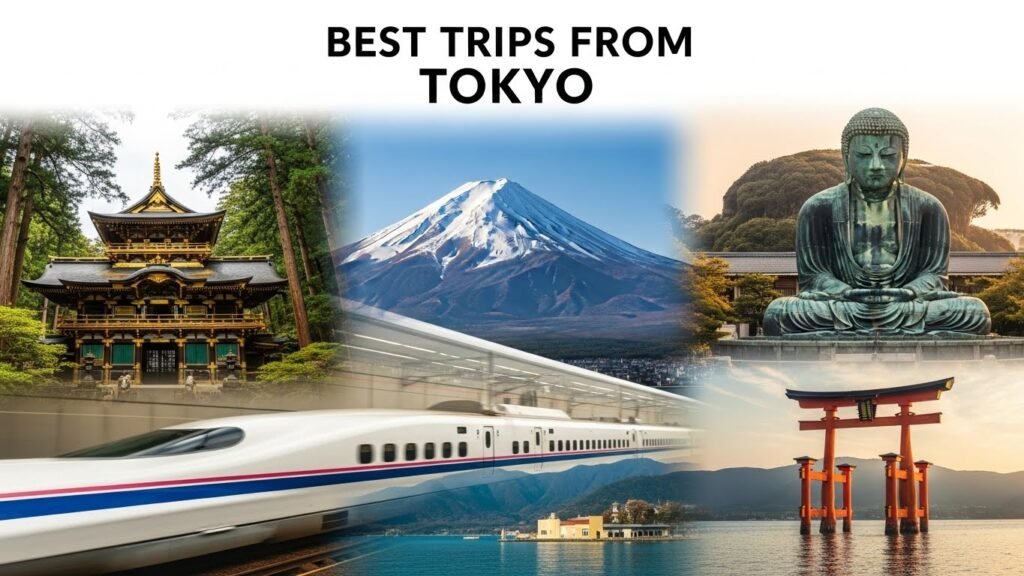
Tokyo is the coolest city ever. You could spend a lifetime there and never see it all. But sometimes you just need a break from the neon lights and crowds. Luckily, there are so many incredible day trips from Tokyo that are easy to reach. These spots let you see the real Japan beyond the skyscrapers. You can find ancient temples, giant mountains, and peaceful beaches just a short ride away.
Navigating Japan’s Transportation System
Getting around for your day trips from Tokyo is super easy once you know the ropes. The trains here are basically legendary for being on time and clean. You won’t need a car at all because everything is connected. It makes exploring the country feel like a total breeze.
Efficiency and Cleanliness
- Punctuality is king because trains almost never run late in Japan.
- Spotless cars make your journey feel premium even on a budget.
- Easy transfers allow you to hop between lines without getting lost.
Navigation Tools
Google Maps is your absolute best friend when planning day trips from Tokyo. It tells you exactly which platform to stand on and how much the fare costs. You can see real-time schedules so you never miss a connection. It even shows you which train car is closest to the exit.
Digital Connectivity
- Digital IC cards like Suica or Pasmo can be added right to your phone wallet.
- Tap and go at ticket gates without ever needing to buy a paper ticket.
- Easy refills let you add money to your card using your phone.
- Airalo eSIM keeps your data running so you can use maps anywhere.
The JR Pass (Japan Rail Pass) Guide
The JR Pass is a special ticket for foreign tourists. It lets you ride almost all JR trains for one set price. This includes the super-fast Shinkansen or bullet trains. It can save you a ton of cash if you travel far.
- Coverage includes Shinkansen, local JR lines, and even airport transfers like the Narita Express.
- New pricing as of 2024 means a 7-day pass is about 50,000 yen.
- Calculators online help you decide if the pass is actually worth it for your specific itinerary.
Alternative Transport
- Highway buses from Shinjuku or Shibuya are often cheaper than trains.
- Special private lines like Odakyu or Tobu offer their own cool travel passes.
- Luxury cars like the Romancecar to Hakone offer huge windows for better views.
Mount Fuji and the Fuji Five Lakes (Kawaguchiko)
If you only pick one of the day trips from Tokyo, make it this one. Mount Fuji is the ultimate symbol of Japan. Kawaguchiko sits right at its base and has the best views. It is a stunning place that feels totally magical.
The Iconic View

Mount Fuji can be a bit shy and hides behind clouds often. You have the best chance of seeing it early in the morning. Winter is also the best season for a clear view of the snowy peak.
Top Landmarks and Attractions
- Chureito Pagoda is that famous red pagoda you see in all the photos.
- Arakurayama Sengen Park requires climbing 398 steps but the view is worth it.
- Oshino Hakkai features eight clear ponds fed by melting snow from the mountain.
- Lake Kawaguchi is perfect for a stroll or a boat ride to see the reflection.
Local Culinary Experience
- Hōtō noodles are a must-try local dish with thick noodles and veggies.
- Miso-based broth with pumpkin makes it super hearty and delicious.
Experiencing a Ryokan
Staying at a ryokan is a traditional Japanese experience. These inns have tatami floors and amazing hospitality. Many offer a private onsen where you can soak while looking at the mountain. It is the best way to relax after a long day of exploring.
Tour Options
- Guided group tours handle all the driving and logistics for you.
- Private tours give you more freedom to see exactly what you want.
- Self-guided trips using the highway bus are the most affordable way to go.
Nikko: A Journey into Shogun History and Misty Forests
Nikko is a mountain town that feels like a fairy tale. It is packed with gold-leaf shrines and thick green forests. This is one of the most historic day trips from Tokyo you can take. It is a place of peace and incredible beauty.
UNESCO World Heritage Sites
- Toshogu Shrine is the final resting place of the great shogun Tokugawa Ieyasu.
- Yomeimon Gate is so detailed you could look at it for hours.
- The Three Wise Monkeys carving teaches the lesson of “see no evil”.
Natural Wonders of Nikko

- Kegon Falls is one of the tallest and most beautiful waterfalls in Japan.
- Lake Chuzenji offers a quiet escape with cool mountain air.
Edo Wonderland (Nikko Edomura)
- Ninja shows and samurai experiences bring the Edo period to life.
- Costume rentals let you dress up as a villager or a warrior for the day.
Strategic Planning
The Nikko All Area Pass covers your trains and local buses. Be sure to grab a map because the bus routes can be tricky. Most shops and cafes close early, so don’t wait too long for dinner.
Kamakura: The Coastal “Kyoto of the East”
Kamakura is a cool beach town with tons of history. It used to be the capital of Japan a long time ago. It is one of the best day trips from Tokyo for temple lovers who also want sea air.
Historical Significance
Kamakura was the center of the shogunate government in the 12th century. Because of this, it has some of the oldest and most important temples. It has a very zen and old-school vibe.
Religious Landmarks

- The Great Buddha at Kotoku-in is a massive bronze statue that sits outside.
- Hasedera Temple has beautiful gardens and a view of the ocean.
Coastal Living
- Yuigahama Beach is a great place to watch surfers or grab a snack.
- The Enoden Railway is a cute green train that runs right next to the houses and sea.
Expert Tips
- Free student tours are often available at the station to guide you.
- Enoshima-Kamakura Freepass is the best deal for riding the local trains.
Enoshima Island: Mythology and Sea Breezes
Right next to Kamakura is the tiny island of Enoshima. You can walk there across a long bridge from the mainland. It is full of myth and legends about dragons and goddesses.
Island Landmarks
- Enoshima Shrine is spread across the island and is very beautiful.
- The Sea Candle is a tall lighthouse with 360-degree views of the coast.
- Iwaya Caves are naturally formed caves right by the crashing waves.
The Experience
Expect to do a lot of walking and climbing stairs here. You can try unique snacks like octopus crackers that are pressed flat. The grilled seafood smells amazing as you walk through the narrow lanes.
Seasonal Appeal
- Winter illuminations turn the island into a sparkling wonderland at night.
- Summer beach vibes make it a popular spot for city dwellers to cool off.
Hakone: Art, Nature, and Volcanic Activity
Hakone is famous for its views of Fuji and its hot springs. It is a super popular choice for day trips from Tokyo. There is a specific route everyone takes to see all the best spots.
The Hakone Circular Route

- Odakyu Romancecar is a fast and stylish way to get there from Shinjuku.
- Hakone Ropeway takes you over a volcanic valley called Owakudani.
- Lake Ashi Cruise lets you ride on a big pirate ship across the water.
Artistic Immersion
- Hakone Open-Air Museum has giant sculptures in a beautiful park.
- Picasso Pavilion holds a massive collection of the artist’s work.
Onsen Culture
Hakone has some of the best hot springs in the country. You can visit a public bath or a private onsen for a few hours. The water is full of minerals that are great for your skin.
Yokohama: Japan’s Second City and Harbor Charm
Yokohama is so close it almost feels like part of Tokyo. But it has its own unique personality and a huge harbor. It is one of the easiest day trips from Tokyo you can do.
Urban Highlights
- Minato Mirai 21 is a modern area with skyscrapers and a giant ferris wheel.
- Osanbashi Pier is a cool wooden pier where you can see big ships.
- Red Brick Warehouse is full of local shops and yummy food.
Interactive Food Museums
- Cup Noodles Museum lets you make your own custom ramen flavor.
- Ramen Museum looks like a street from 1958 and serves many types of ramen.
Yokohama Chinatown

This is the biggest Chinatown in all of Japan. The streets are filled with the smell of dumplings and roasted chestnuts. It is a colorful and fun place to wander around and eat.
Kawagoe: The “Little Edo” Warehouse District
Kawagoe is a hidden gem that feels like stepping back in time. It has big old warehouses that were built hundreds of years ago. It is a very short ride and one of the best value day trips from Tokyo.
Architectural Heritage

The main street is lined with black-walled warehouses called Kurazukuri. They were built to be fireproof and look very imposing.
Iconic Symbols
- Toki no Kane is a wooden bell tower that still rings four times a day.
- Candy Alley is a street dedicated to old-fashioned Japanese treats.
Culinary Specialty
- Sweet potatoes are the local pride and you find them in everything.
- Sweet potato ice cream is a popular snack for visitors.
Accessibility
You can get to Kawagoe in just 30 to 60 minutes depending on the train. This makes it a perfect half-day trip if you are busy.
Kyoto: The Cultural Heart of Japan (Express Trip)
Kyoto is pretty far, but the bullet train makes it possible in a day. It is the most traditional city in Japan. Be ready for a long day if you choose this for your day trips from Tokyo.
Must-See Districts

- Gion is the district where geisha still live and work.
- Fushimi Inari Taisha is the shrine with thousands of red torii gates.
Zen and Stillness
- Kennin-ji Temple is a great place to sit and breathe in the incense.
- Golden Pavilion is a temple covered in real gold leaf.
Nara: Ancient Temples and Friendly Deer

Nara is famous for the wild deer that live in the park. They are used to people and will even bow for a cracker. It is a very unique and fun experience.
UNESCO Treasures
- Todai-ji Temple is home to a truly giant bronze Buddha.
- Nara Park is where you can hang out with the deer.
Wildlife Etiquette
- Bowing deer are cute but remember they are still wild.
- Hide your maps because the deer might try to eat your paper!
Karuizawa: The Sophisticated Alpine Escape
Karuizawa is a fancy mountain town where people go to cool off. It has a very European feel with many forest trails. It is one of the most relaxing day trips from Tokyo.
Nature by Bicycle
- Rent a bike to see the quiet streets and beautiful homes.
- Kumoba Pond is a gorgeous spot to see the reflection of the trees.
Shopping and Dining
- Prince Shopping Plaza is a huge outlet mall right by the station.
- Charming bakeries serve fresh bread and local jams.
Universal Studios Japan (USJ)
For theme park fans, USJ in Osaka is a must-see. It is quite far, so you need to plan carefully. But it is worth the effort for the unique rides.
Super Nintendo World
- Nintendo World lets you step inside a real-life video game.
- Express Passes are a must if you want to skip the long lines.
Essential Packing Checklist for Your Tokyo Adventures
Taking day trips from Tokyo is super exciting, but being prepared makes the day much better. You want to stay comfortable while exploring ancient temples or hiking up mountains. Here is a simple list of things you should toss in your bag before you head out the door.
Daily Essentials and Tech
- Portable power bank is a lifesaver because using Google Maps all day drains your battery fast.
- Charging cables for your phone and camera so you never miss a photo of Mount Fuji.
- Airalo eSIM setup on your phone ensures you have data for translations and train schedules anywhere you go.
- Physical cash in Japanese Yen is needed for small snack stalls in Kawagoe or cable cars at Mt. Takao.
- Small coin purse helps you manage all the change you get from buying train tickets and temple charms.
Comfort and Clothing
- Walking shoes are the most important thing to wear since you will walk miles in places like Kamakura or Nara.
- Easy-to-remove shoes make life easier when entering traditional temples or ryokans in Nikko.
- Light layers like a hoodie or windbreaker are great because mountain areas like Hakone get chilly.
- Small towel or handkerchief is handy for drying your hands in public restrooms or after a foot bath.
Seasonal Gear
- Folding umbrella or a light rain poncho is smart because mountain weather can change in a snap.
- Sunscreen and hat are vital for summer trips to Enoshima beach or walking through Kyoto.
- Heat packs called kairo are awesome to keep in your pockets during winter trips to Karuizawa.
Food and Health
- Refillable water bottle keeps you hydrated and saves money while you explore the city limits.
- Hand sanitizer and wet wipes are perfect for cleaning up after eating street food in Yokohama Chinatown.
- Trash bag is a must because public trash cans are very hard to find on the streets of Japan.
Perfect 1-Day Itinerary: Mount Fuji and Kawaguchiko
This plan is for one of the most popular day trips from Tokyo. It focuses on getting the best views of Mount Fuji and enjoying the lake. Follow these steps for a smooth trip.
Morning: Departure and the Big View
- Start early by catching a highway bus from Shinjuku or Shibuya station around 7:30 AM.
- Arrive at Kawaguchiko Station after a two-hour ride that costs between 1,250 and 2,000 yen.
- Head to Chureito Pagoda first to beat the big crowds and see the red pagoda.
- Climb the 398 steps to the top of Arakurayama Sengen Park for that perfect photo of the mountain.
Midday: Lakeshore and Local Eats
- Take the local bus back down to the shores of Lake Kawaguchi.
- Eat hōtō noodles for lunch at a local shop near the lake to taste the thick, hearty noodles.
- Walk the lakeside path to see the mountain reflection in the water if the sky is clear.
- Visit Oishi Park at the end of the bus line for seasonal flowers and more views.
Afternoon: Culture and Relaxation
- Explore Oshino Hakkai to see the eight clear ponds fed by snow from the peak.
- Soak in a day-use onsen at a local hotel to relax your muscles after all the walking.
- Grab a snack like a sweet potato treat or ice cream before heading back to the station.
Evening: Return to the City
- Catch your return bus around 5:00 PM or 6:00 PM to get back to Tokyo for dinner.
- Use your Suica card on the local buses in town to keep travel easy and fast.
Final Recommendations and Trip Planning Checklist
Choosing between these day trips from Tokyo depends on what you like. If you want nature, go to Fuji or Nikko. For history, pick Kamakura or Kawagoe. For food and fun, Yokohama is perfect.
- Top 3 picks for a first-timer are Mt. Fuji, Yokohama, and Kawagoe.
- Wear comfy shoes because you will be walking miles every day.
- Bring a power bank so your phone doesn’t die while using maps.
- Use an eSIM to stay connected and avoid high roaming fees.
Exploring beyond the city will show you the heart of Japan. Each trip offers something new and exciting to discover. So grab your Suica card and start your adventure!
Frequently Asked Questions About Day Trips From Tokyo
Are there any day trips from Tokyo covered by the JR Pass?
Yes, many popular excursions are accessible using the Japan Rail Pass, including bullet train rides to Kyoto, Nikko, and Nara. You can also use it for local JR lines reaching Kamakura and Kawagoe.
Can I see Mount Fuji for free?
You can view the mountain from many public spots like Lake Kawaguchi or the Chureito Pagoda without paying an entrance fee. However, you will still need to pay for the bus or train to get to these areas.
What is the best time of year for a day trip to see autumn leaves?
Nikko and Mount Fuji are famous for having stunning autumn foliage, usually peaking between late October and early November. Karuizawa and Kamakura also offer beautiful colors slightly later in the season.
Is it possible to visit more than one city in a single day trip?
It is common to combine Kamakura and Enoshima into one trip because they are located right next to each other. Most other destinations, like Nikko or Hakone, require a full day on their own due to travel time.
Do I need to book Shinkansen tickets in advance for day trips?
For most days, you can buy tickets at the station right before you leave. However, during busy holidays like Golden Week, it is much safer to reserve your seats a few days early.
Are there luggage lockers at the train stations in these day trip towns?
Almost every major station, such as Kawaguchiko, Nikko, and Kamakura, has coin lockers where you can store bags for the day. Large lockers for suitcases are available but can fill up fast during peak tourist times.
Is Yokohama a good day trip for families with young kids?
Yokohama is excellent for children because of the Cup Noodles Museum and the Cosmo World amusement park. The waterfront area is also very flat and easy to navigate with a stroller.
Can I use a Suica card for the bus in Nikko or Hakone?
While Suica works on most local buses, some rural areas may still require cash or a specific regional pass like the Hakone Free Pass. It is always a good idea to carry some yen just in case.
What should I do if Mount Fuji is hidden by clouds?
If the mountain is shy, you can still enjoy the Fuji Five Lakes area by visiting the local museums or the Oshino Hakkai ponds. Many people choose to visit a local onsen or try hōtō noodles instead.
Are there any hiking trails near Tokyo that are good for beginners?
Mount Takao is the most popular choice for beginners because the trails are well-marked and there is a cable car to help with the climb. The Daibutsu Hiking Trail in Kamakura is another easy option that connects several temples.
How much does a typical day trip from Tokyo cost?
A trip to a nearby spot like Yokohama or Kawagoe can cost under 5,000 yen. Trips involving the Shinkansen, like Kyoto or Nara, can easily cost over 30,000 yen for a round trip.
Is it worth going to Kyoto as a day trip if I don’t have the JR Pass?
It is quite expensive without a pass, but it can be worth it if you truly only have one day to see the ancient capital. You should book the fastest “Nozomi” Shinkansen to maximize your time in the city.
Do museums in Yokohama or Hakone have English descriptions?
Most major tourist spots like the Cup Noodles Museum and the Hakone Open-Air Museum provide English signage and audio guides. Smaller local shrines in towns like Kawagoe might have limited English.
Are the deer in Nara dangerous?
The deer are generally friendly but can be aggressive if they see you have “deer crackers”. They have been known to bite or headbutt people to get more food, so stay alert.
What is the most scenic train ride for a day trip?
The Odakyu Romancecar to Hakone is famous for its large “observation” windows that give you a great view of the countryside. The Enoden line in Kamakura is also beloved for its retro look and ocean views.
Can I visit a private onsen if I have tattoos?
Many public hot springs still ban tattoos, but booking a private onsen at a ryokan in Hakone or Kawaguchiko is a great way to enjoy the water without any issues.
How do I get to the Gion district once I arrive at Kyoto Station?
You can take a short bus ride or a local train to reach Gion from the Shinkansen station. Walking is also an option if you want to see the city streets along the way.
Is Kawagoe crowded on the weekends?
Yes, “Little Edo” gets very busy on Saturdays and Sundays with local tourists. Visiting on a weekday morning is the best way to enjoy the quiet, old-fashioned atmosphere.
Are there any special food festivals in Chichibu?
Chichibu is famous for its Night Festival in December, which features huge floats and fireworks. It is one of the most famous festivals in Japan and draws large crowds from Tokyo.
Is Universal Studios Japan better than Tokyo Disneyland?
USJ is very popular for its Nintendo World and Harry Potter sections, which are unique to Osaka. If you are a huge fan of Mario or Yoshi, the day trip to Osaka is a better choice than the local Tokyo parks.