 Skip to content
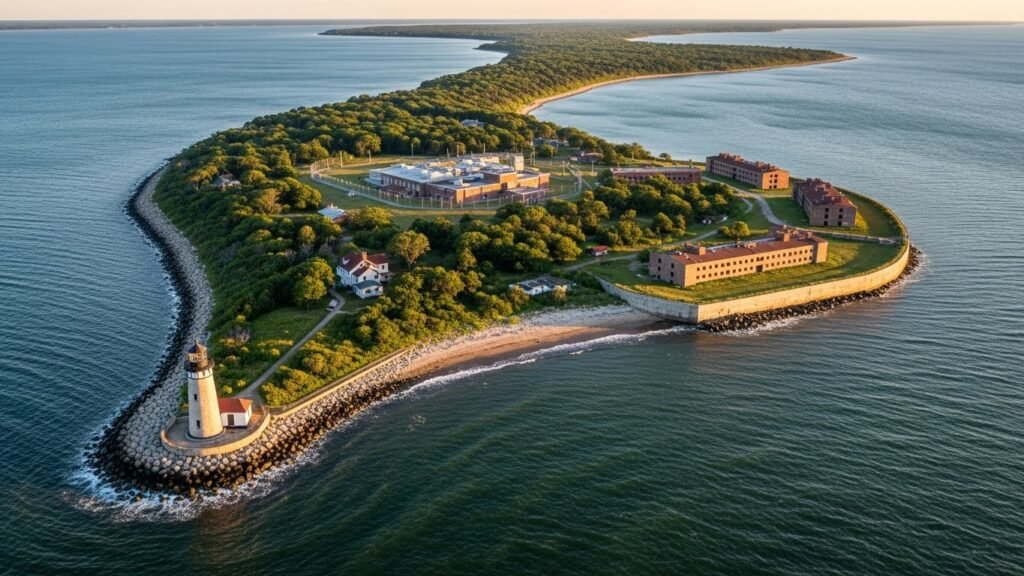
Plum Island southold ny 11957 is a tiny place with a huge story. It sits right off the coast of Long Island. This island is full of mystery and cool animals. People have wondered about it for a very long time. It has big old buildings and very secret labs. It is a place where nature and science meet in a wild way. You can see beautiful birds and old forts there. It is truly a hidden gem in New York.
Introduction to Plum Island: New York’s Enigmatic Hidden Gem
Plum Island southold ny 11957 is a spot you might miss on a map. It is tucked away at the very end of Long Island. This place has a mix of everything. It has a long history with the army. It also has a famous lab that studies sick animals. Because the public cannot go there, it feels very mysterious.
The island is like a time capsule. It shows us what New York looked like a long time ago. There are no big malls or busy roads here. It is just quiet woods and rocky shores. Scientists use the island as a living laboratory. They study how the world is changing there. It is a very special place for our state.
People love to talk about the secrets of this island. Some folks think strange things happen in the labs. But really, it is a place for important work. It helps keep our food and our farm animals safe. The island also protects many rare creatures. It is a beautiful mix of high-tech science and wild nature.
The Geography and Coastal Landscape of Plum Island
Physical Dimensions
- Total Acreage: The island covers about 840 acres of land.
- Length: It stretches about 3 miles long from end to end.
- Width: At its widest point, the island is only 1 mile across.
Geographical Position
Plum Island southold ny 11957 sits in a very busy water spot. It is right in the Long Island Sound. This is between New York and Connecticut. It is very close to a place called Orient Point. You can see another spot called Fishers Island nearby. The island acts like a gate to the sound.
Coastal Ecosystems
The shores of the island are really pretty. You will find soft sandy beaches and big rocks. There are also salt marshes that stay wet all the time. These spots are great for fish to grow up. The island also has thick bushes and green woods. Every part of the coast helps different animals live.
A Glimpse into History: From Indigenous Roots to Colonial Discovery
Indigenous Origins
Long before settlers arrived, the Pequot tribe lived here. They called the island Manittuwond. This name was very special to their people. They used the island for fishing and gathering food. It was a peaceful place for them for many years. We still remember their history on the island today.
Colonial Acquisition
In 1659, European settlers bought the island. This was a big change for the land. It became part of the colonial holdings in New York. Different families owned the island over the next few centuries. They used it for farming and keeping sheep. The island was a quiet spot for a long time.
Strategic Evolution
People soon realized the island was in a perfect spot. It was like a lookout tower for the coast. Ships coming in from the Atlantic Ocean would pass right by it. This made it very important for the military later on. It helped protect the nearby towns from enemies on the sea. The island’s location is its greatest strength.
Military Significance and the Legacy of Fort Terry

Establishment of Fort Terry (1897)
The U.S. Army built a big base called Fort Terry. This happened right at the end of the 1800s. They put huge guns on the island to protect New York. It was part of a big plan to keep the coast safe. Many soldiers lived on the island in brick barracks. It was a very busy place back then.
World War Contributions
During the World Wars, Fort Terry was very important. Soldiers watched the ocean for enemy ships and subs. They practiced using big weapons and staying ready for a fight. The island helped keep the whole region safe from danger. It was a key piece of our country’s defense. We can still see the old buildings today.
Deactivation and Transition
After the wars ended, the army did not need the fort anymore. They closed it down in 1949. But the government didn’t want to give up the island. They decided to use it for science instead of war. This was the start of a whole new chapter. The island went from guns to microscopes very quickly.
The Plum Island Animal Disease Center (PIADC)

Founding in 1954
The government started a new lab in 1954. This was the Plum Island Animal Disease Center. They chose this island because it was far from people. This made it a safe place to study germs. It was a big step for American science. The lab has been working hard ever since.
Mission and Purpose
- Protecting Farms: The main goal is to keep our cows and pigs healthy.
- Finding Cures: Scientists work to find vaccines for sick animals.
- Food Safety: By keeping animals safe, they keep our food supply safe.
- National Security: The lab helps stop diseases from hurting our country’s economy.
Core Research
The lab studies very scary diseases like foot-and-mouth disease. This sickness can make a lot of farm animals very ill. Scientists wear special suits to stay safe while they work. They use high-tech tools to look at tiny germs. Their work helps farmers all over the United States. It is one of the most important labs in the world.
Security and Protocol
Because the germs are dangerous, security is very tight. There are big fences and guards everywhere. You need a special permit just to get on the boat. Everything that leaves the island has to be cleaned first. This keeps the germs from getting to the mainland. It is one of the safest places in the country.
Myths, Mystery, and Public Perception
Conspiracy Theories
People love to make up stories about Plum Island southold ny 11957. Some say the government is making monsters there. Others think strange creatures have escaped from the labs. These stories usually start because the island is so private. When people can’t see inside, they imagine wild things. But most of these stories are just tall tales.
Pop Culture Influence
The island has appeared in many books and movies. Writers love to use it as a spooky setting. It is often shown as a place for secret government plots. One famous book by Nelson DeMille made the island very famous. This has helped make the island a legend in our culture. It is a favorite topic for people who like mysteries.
Scientific Reality
The truth is much more normal than the movies. The island is just a place where smart people do hard work. They follow very strict rules to keep everyone safe. Historical records show they are just studying animal health. There is nothing sinister or scary going on behind the fences. It is all about protecting our food and our animals.
A Sanctuary for Wildlife and Biodiversity

Birdwatcher’s Paradise
- Many Species: People have seen over 229 kinds of birds here.
- Travel Stop: It is a key spot for birds flying south for winter.
- Rare Birds: You can find the piping plover nesting on the sand.
- Special Terns: The roseate tern also calls this island home.
Marine Life and Mammals
The waters around the island are full of life. You can often see seals resting on the rocks in winter. They love the cold water and the quiet beaches. There are also many kinds of fish and crabs in the waves. The island is a safe spot for them to rest. It is a very healthy place for sea creatures.
Terrestrial Fauna
Small animals like rabbits and deer live in the woods. Because there are no cars, they are very safe. Reptiles like snakes and turtles also hide in the grass. The island is like a giant park just for them. Without many people around, the animals can live naturally. It is a real sanctuary for New York’s wildlife.
Unique Ecosystems: A Living Laboratory
Vibrant Tidal Flats and Salt Marshes
- Natural Filters: The marshes help clean the ocean water naturally.
- Animal Nurseries: Tiny fish and shrimp grow up in the tall grass.
- Feeding Zones: Shorebirds find lots of yummy bugs to eat in the mud.
Coastal Forests and Native Flora
The island has beautiful woods that stay green and lush. You will see scrub oak trees that can handle the salty air. There are also many beach plum bushes with little fruit. These plants are tough and can grow in the sand. They give food and homes to the local bugs and birds. The forest is a key part of the island’s health.
Conservation Efforts: The Battle to Protect Plum Island’s Legacy
The 2008 Sale Announcement
Back in 2008, the government said they wanted to sell the island. This made many people very worried. They were afraid someone would build big houses or hotels. This would ruin the homes of all the animals. It was a very scary time for the island’s future. People knew they had to act fast to save it.
Environmental Advocacy
A group called the Preserve Plum Island Coalition was formed. They worked hard to tell everyone why the island is special. Local leaders in Southold also helped out a lot. They talked to the government about keeping the land wild. Thousands of people signed letters to save the island. It was a huge team effort by the community.
The 2020 Legislative Victory
In 2020, the heroes finally won their battle. Congress passed a law that said the island could not be sold. This was a massive win for nature lovers everywhere. It means the island will stay a safe place for birds and seals. The government is now looking for a way to keep it as a park. Everyone was very happy about this big decision.
The Future of Plum Island: A National Treasure
Preserving Ecological and Historical Value
People want to make the island a National Monument. This would protect the old fort and the nature forever. It would be a place where we can learn about our past. The goal is to keep it exactly as it is right now. We want our grandkids to be able to see it one day. It is a treasure that belongs to all of us.
The Move to Kansas
The animal lab is getting ready to move soon. They are building a brand new facility in Kansas. This move should happen by the year 2026. Once the lab is gone, the island will be much quieter. This opens up new chances for people to visit. It is the end of a long era for the island.
Sustainable Public Access
Leaders are talking about how to let people visit safely. They might allow small groups to take guided tours. They want to make sure visitors don’t scare the birds. Maybe there will be a museum in the old fort buildings. The idea is to share the island without hurting it. It will be a very careful process to open it up.
Tourism, Accessibility, and How to Experience the Island

Current Restricted Status
Right now, you still cannot just walk onto the island. It is still a high-security government site. Only workers and special guests are allowed on the ferry. You need a lot of paperwork to get through the gate. This keeps the research safe and the animals quiet. For now, we have to admire it from the water.
Viewing the “Hidden Gem”
- Orient Point: This is a great spot to see the island from land.
- Ferry Rides: The boat to Connecticut passes right by the shore.
- Beach Walks: You can see the island’s lighthouse from nearby beaches.
Scenic Ferry and Boat Tours
You can take special boat trips to go around the island. These tours are great for seeing seals and rare birds. Many people bring big cameras to take photos of the fort. You can see the old water tower and the lab buildings. The views at sunset are really amazing from the water. It is a great way to spend a summer afternoon.
Why Plum Island Matters: A Natural and Historical Treasure
Plum Island southold ny 11957 is important for so many reasons. It is a key part of our country’s defense history. It is a world leader in making sure our food is safe. Most importantly, it is a safe haven for wild animals. There are not many places left like this in New York. We must treat it with a lot of respect.
The island shows us that we can balance science and nature. Even with a big lab, the birds and seals still thrive. It is a reminder that we can protect our world if we try. Every acre of the island tells a story of hard work and care. It is a very proud part of our local heritage. We are lucky to have it in our backyard.
Conclusion: The Intersection of Human History and Nature
In the end, Plum Island southold ny 11957 is a very special mix. It has seen soldiers, scientists, and many wild creatures. From its early days with the Pequot to its future as a park, it is always changing. The island stands as a symbol of our past and our future. It teaches us about the importance of keeping wild places wild.
We are entering a new chapter for this hidden gem. As the lab moves, the island will become a peaceful park. This is a great chance for us to honor its long history. We can protect the salt marshes and the old brick buildings. It is a victory for everyone who loves the outdoors. Plum Island will remain a treasure for a very long time.
FAQs About Plum Island Southold NY 11957
Is Plum Island part of the town of Southold?
Yes, Plum Island southold ny 11957 is officially situated within the jurisdiction of the Town of Southold in Suffolk County. While the federal government owns the land, it falls under the local township for geographical and administrative mapping.
What is the specific ZIP code for Plum Island?
The island shares the ZIP code 11957 with the village of Orient, New York. This is the primary postal identifier used for the northeastern tip of Long Island’s North Fork.
How far is Plum Island from Orient Point?
The island is located approximately 1.5 miles off the coast of Orient Point. It is separated from the mainland by a stretch of water known as Plum Gut, which is famous for its extremely strong tidal currents.
Who currently manages the island’s daily operations?
The United States Department of Homeland Security (DHS) is the agency currently responsible for the island and its research facilities. They took over management from the USDA in 2003 to enhance national bio-defense security.
What is the “Plum Gut” and why is it significant?
Plum Gut is the narrow channel of water between Orient Point and Plum Island southold ny 11957. It is significant because it serves as a major maritime thoroughfare for ferries and boats, though it is often dangerous due to turbulent waters.
Are there any buildings other than the lab and the fort?
The island contains several support structures including a fire station, a power plant, and a water treatment facility. It also features the historic Plum Island Lighthouse, which was built in 1869 to guide ships through the sound.
What is the National Bio and Agro-Defense Facility (NBAF)?
The NBAF is the state-of-the-art laboratory currently being completed in Manhattan, Kansas. It is designed to replace the aging facilities on Plum Island southold ny 11957 and handle even more dangerous pathogens.
Does Plum Island have its own ferry system?
Yes, the government operates a private ferry service that runs between Orient Point and the island. This ferry is the only way for employees and authorized visitors to access the high-security site.
Is there any fresh water on the island?
The island has small freshwater wetlands and vernal pools that are essential for local wildlife. These areas support amphibians and provide drinking water for the island’s mammal populations.
What is the Atlantic Flyway?
The Atlantic Flyway is a major north-south route for migratory birds that extends from the Arctic to the Caribbean. Plum Island southold ny 11957 is a critical “stopover” point on this route where birds rest and refuel.
Why is the island called Plum Island?
The island earned its name from the abundance of beach plums that grow naturally along its dunes and shores. These small, tart fruits have been a staple of the island’s ecosystem for centuries.
Is the Plum Island Lighthouse still active?
The historic 1869 granite lighthouse is no longer an active aid to navigation, having been replaced by an automated light on a metal tower. However, it remains a major historical landmark that preservationists are working to restore.
What is the role of the Department of Agriculture (USDA) today?
While the DHS manages the island’s security, the USDA still employs many of the scientists who conduct research at the PIADC. They work together to protect American agriculture from foreign pests and diseases.
Are there any endangered plants on the island?
Aside from rare birds, the island is home to several rare plant species that are protected by New York State. The lack of deer overpopulation and development has allowed these plants to survive where they have vanished elsewhere.
Can you see Connecticut from Plum Island?
Yes, on clear days, the coastline of Connecticut and Fishers Island are easily visible from the northern shores of Plum Island southold ny 11957. The island sits almost directly in the middle of the sound between the two states.
What happened to the soldiers who lived at Fort Terry?
After the fort was deactivated, the military personnel were reassigned to other bases. The brick barracks and officer quarters they once lived in still stand today, though many are now used for storage or lab support.
How does the island handle waste and quarantine?
The island has a very strict waste management system where all lab materials are sterilized using high-pressure steam called autoclaving. This ensures that nothing biological can leave the island in the trash.
Is the island affected by sea-level rise?
As a low-lying island in the Long Island Sound, Plum Island southold ny 11957 is at risk from erosion and rising sea levels. Conservationists study the island’s marshes to see how they protect the land from storm surges.
What is the Preserve Plum Island Coalition’s ultimate goal?
The coalition wants to ensure the island is transferred to a permanent conservation owner, like the U.S. Fish and Wildlife Service. They hope to turn it into a publicly accessible nature preserve and national monument.
Does anyone live on the island permanently?
No one lives on the island full-time anymore. Employees and security staff commute daily via the government ferry from either Orient Point, NY, or Old Saybrook, CT.
What is the significance of the 1659 land acquisition?
The 1659 purchase marked the formal end of Indigenous control over the island and its transition into the colonial economy. It set the stage for the next 300 years of private ownership and eventual government control.