 Skip to content
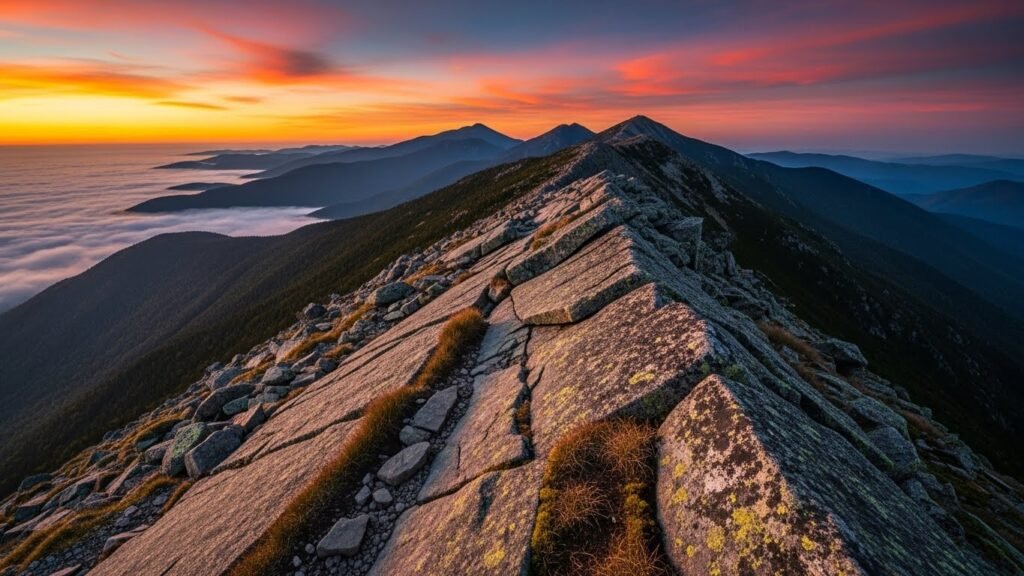
Hiking in the White Mountains New Hampshire is an experience that stays with you long after the mud has been washed off your boots. This rugged corner of New England is home to some of the most challenging and beautiful terrain in the United States. From the jagged peaks of the Presidential Range to the hidden waterfalls of the Kancamagus Highway, every trail offers a unique story. This guide is designed to provide everything you need to know to plan a safe and unforgettable adventure in these ancient hills.
Introduction to the White Mountain National Forest (WMNF)
The White Mountain National Forest is a massive expanse of protected land covering over 800,000 acres across northern New Hampshire and parts of Maine. It is a land of extremes where granite summits meet lush hardwood forests. For generations, these mountains have served as a training ground for world-class mountaineers and a sanctuary for those seeking a break from the hustle of city life.
A New England Treasure
The forest was formally established in 1918 after years of advocacy to protect the region from over-logging and forest fires. Today, the WMNF is one of the most popular outdoor destinations in the country, attracting millions of visitors every year. It contains over 1,200 miles of hiking trails, ranging from paved paths to nearly vertical rock scrambles. The forest also protects essential watersheds that provide clean drinking water to much of the New England region.
The 4,000-Footer Club
A central part of the local hiking culture revolves around the 48 peaks that rise at least 4,000 feet above sea level. Many hikers spend years working through the list to join the Appalachian Mountain Club’s official 4,000-Footer Club. While 4,000 feet might not sound high compared to the Rockies, the trails here often start at low elevations, requiring thousands of feet of vertical gain over very short distances. These mountains are famous for their ruggedness, often featuring trails that go straight up the fall line rather than using switchbacks.
Geological Wonders
The landscape you see today was shaped by millions of years of geological activity and the power of ice. During the last glacial period, a massive ice sheet over a mile thick covered these mountains, grinding down the granite and carving out the deep notches we see today. As the ice melted, it left behind giant boulders known as glacial erratics, some of which are the size of houses. The bedrock is primarily granite, which creates the dramatic grey cliffs and smooth slabs that define the high-country scenery.
Essential Planning and Logistical Framework
Planning hikes in the White Mountains New Hampshire requires a respect for the terrain and the elements. This is not a place where you can simply show up without a plan. Proper timing, choosing a basecamp, and understanding how to get to the trailheads are the first steps in a successful journey.
Selecting the Best Time for Your Visit

- Summer (July–August): This is the most reliable time for weather, with warm days and cool nights. It is the best window for tackling long days on the ridges.
- Fall Foliage (Late September–October): The White Mountains offer some of the best autumn colors in the world. The maples turn brilliant red while the birches provide a golden backdrop.
- Winter (December–March): This season is strictly for those with specialized experience. Temperatures can drop to 40 degrees below zero, and crampons are required for almost all high-elevation trails.
- Spring “Mud Season” (April–June): As the snow melts, the trails become incredibly muddy and fragile. Higher elevations often remain covered in rotting ice well into June.
Strategic Basecamps and Accommodations
- Western Slope (Lincoln & North Woodstock): This area is extremely convenient for accessing Franconia Notch State Park and the western end of the Kancamagus Highway. It is home to many motels, rental cabins, and gear shops.
- Eastern Slope (North Conway & Jackson): This is the commercial hub of the region. It offers the widest range of hotels and is the gateway to Crawford Notch and the Mount Washington Auto Road.
- Northern Region (Gorham & Bretton Woods): If you want to hike the Presidentials or the Great Gulf Wilderness, staying in Gorham or at the Omni Mount Washington Resort is your best bet.
- AMC Hut System: The Appalachian Mountain Club operates several high-mountain huts where you can buy soup and lemonade or stay overnight. These are located at strategic intervals along major ridge lines.
Transportation and Trailhead Access
- The Hiker Shuttle: To reduce traffic and parking issues, a shuttle runs seasonally between major trailheads in Franconia and Crawford Notch.
- Parking Permits: Many trailheads managed by the Forest Service require a five-dollar daily parking fee. You can pay at the trailhead using “iron rangers” or use a valid annual pass.
- Arrival Strategies: If you are planning to hike a popular trail on a summer Saturday, you should aim to be at the trailhead by 6:30 AM. Parking lots at Franconia Notch often fill up before the sun is fully over the horizon.
Essential Safety and Preparation
Safety on hikes in the White Mountains New Hampshire is a matter of preparation and common sense. The mountains are indifferent to your plans, and help is often hours or even days away. Being self-sufficient is the hallmark of a responsible hiker in this region.
The 10 Essentials for White Mountain Hiking
- Navigation: Carry a paper map and a compass. While phone apps are great, batteries drain fast in the mountains and GPS signals can be blocked by deep ravines.
- Illumination: Every hiker should have a headlamp with extra batteries. Even if you plan to be back by noon, an injury can easily keep you on the trail past dark.
- Insulation: The weather at the summit is never the same as the weather at the car. Pack a fleece or a light puffy jacket even in the middle of July.
- Nutrition and Hydration: Carry more water than you think you need. Mountain streams are beautiful but can carry parasites, so bring a filter if you plan to refill.
Understanding Mountain Weather Patterns
- Higher Summits Forecast: Before heading out, check the Mount Washington Observatory’s higher summits forecast. It provides specific data for elevations above 4,000 feet.
- The “Mt. Washington Effect”: Mount Washington is known as the “Home of the World’s Worst Weather.” Winds can exceed hurricane force on any day of the year, and fog can reduce visibility to zero in seconds.
- Lightning Safety: Afternoon thunderstorms are common in the summer. If you are above the treeline and see dark clouds building, you must descend immediately. There is nowhere to hide from lightning on an open ridge.
Leave No Trace and Conservation
- Alpine Tundra Preservation: Above the treeline, stay on the rocks. The plants in the alpine zone are survivors from the last ice age and can be killed by a single footprint.
- Proper Waste Disposal: Carry out all trash, including “biodegradable” items like banana peels. In high-use areas, consider using a WAG bag to protect the water supply.
- Rock Cairn Ethics: Never build your own rock piles. Cairns are carefully placed by trail crews to guide hikers through the fog. Adding “artistic” cairns can lead people off-trail and into danger.
Best Easy Day Hikes (Low Effort, High Reward)
For those who want to experience the beauty of the region without an exhausting climb, these easy hikes in the White Mountains New Hampshire are perfect. They offer great views, interesting geology, and are generally accessible for families.
Flume Gorge

- Trail Details: This is a 2.2-mile loop located in Franconia Notch State Park. It features a stunning boardwalk that clings to the side of a deep granite canyon.
- Highlights: You will see multiple waterfalls, including the 90-foot Avalanche Falls, and pass through two historic covered bridges.
- Important Note: Reservations are required for this hike, especially during the summer and fall seasons. It is best to go early in the morning to avoid the largest crowds.
Sabbaday Falls
- Trail Details: Located right off the Kancamagus Highway, this is a very short and easy 0.7-mile round trip.
- The Waterfall: The water flows through a narrow gorge and makes a sharp right-angle turn. The pools at the bottom are a vibrant emerald green.
- Accessibility: The path is wide and gravel-covered, making it one of the most accessible natural features in the national forest.
Lonesome Lake
- The Reward: After a moderate 1.6-mile climb, you reach a pristine mountain lake with a stunning view of the Franconia Range.
- The Hut: The AMC Lonesome Lake Hut is located right on the shore. It is a great place to stop for a snack or to use the restroom before heading back down.
Best Moderate Day Hikes
Moderate hikes in the White Mountains New Hampshire are often the favorites of local hikers. They provide a significant workout and reach incredible viewpoints without requiring the massive time commitment of the high peaks.
Artist’s Bluff and Bald Mountain

- The View: This is the most photographed spot in the White Mountains. From the top of the bluff, you look directly down Echo Lake toward the ski trails of Cannon Mountain.
- Crowd Control: Because it is short and easy to reach, it gets very crowded. Visiting at sunrise is the best way to have a peaceful experience.
- Bald Mountain Spur: Make sure to take the small side trail to the summit of Bald Mountain for 360-degree views of the surrounding wilderness.
Mount Willard
- The Viewpoint: At the end of a 1.6-mile climb, the woods suddenly open up to a massive cliff edge. You are perched directly above the Crawford Notch valley.
- Trail Tip: The trail is an old carriage road, so it is relatively wide. However, it is very rocky and often serves as a stream bed during rainy weather.
Champney Falls
- The Falls: This 3.1-mile hike leads to a series of cascades. The main attraction is a wide granite wall where water slides down in delicate ribbons.
- Exploration: During low water, you can walk right up to the base of the falls. In the winter, this is a popular spot for beginning ice climbers to practice their skills.
Middle and North Sugarloaf
- The Granite Slabs: These peaks offer huge, flat granite surfaces that are perfect for relaxing and taking in the view of the Presidential Range.
- The Ladders: There is one short wooden ladder on the trail to Middle Sugarloaf. It is very sturdy and adds a fun, adventurous element to the hike.
Best Challenging and Hard Day Hikes
These hikes in the White Mountains New Hampshire are world-class. They are physically demanding and require a full day of effort, but they provide a sense of accomplishment that is hard to find anywhere else.
Franconia Ridge Loop

- The Ridge: This is often cited as the best hike in New England. You spend nearly two miles walking on a narrow knife-edge ridge above the treeline.
- The Route: Most people hike up the Falling Waters Trail to see the waterfalls and descend via the Old Bridle Path. This is an 8.6-mile loop with nearly 4,000 feet of climbing.
- Warning: Do not attempt this hike if high winds or thunderstorms are predicted. You are completely exposed to the elements for several hours.
Welch-Dickey Loop
- The Ledges: This 4.4-mile loop spends more time on open rock than almost any other hike of its length. You get continuous views of the Mad River Valley.
- The Terrain: The trail involves some steep friction walking on granite. It is essential to have shoes with good “sticky” rubber soles for this hike.
Mount Washington via Tuckerman Ravine

- The Bowl: Tuckerman Ravine is a massive glacial bowl that holds snow well into the summer. The trail climbs steeply up the headwall of the ravine.
- The Summit: At 6,288 feet, this is the highest point in the Northeast. You can visit the Tip-Top House museum or get a hot meal at the Sherman Adams Building.
- Descent: Many hikers choose to take the Lion Head trail down to avoid the steep rock piles of the ravine, especially if it is wet.
Frankenstein Cliff and Arethusa Falls
- The Cliff: The trail takes you along the edge of a massive cliff with views of the Crawford Notch railroad tracks far below.
- The Falls: Arethusa Falls is one of the highest in the state, dropping about 140 feet over a sheer rock face. The loop combining the two is a rugged and rewarding day out.
Specialized Hiking Categories
Not every hiker is looking for a 4,000-footer. Sometimes you want a specific vibe, whether it is a quiet morning alone or a trail that won’t overwhelm your dog.
Best “Hidden Gem” Hikes to Avoid Crowds
- Mount Starr King: While many head for the famous peaks, Starr King offers a beautiful forest walk and a quiet summit with great views of the Northern Presidentials.
- Mount Hayes: This trail starts in the town of Gorham and leads to a stunning ledge looking directly at the Great Gulf Wilderness. You will often have the entire trail to yourself.
Best Hikes for Sunrise and Sunset
- Mount Pemigewasset: Also known as Indian Head, this trail leads to a west-facing ledge. It is a perfect spot to watch the sun dip behind the mountains of the Pemigewasset Wilderness.
- Pine Mountain: This is a very easy walk on a gravel road that leads to a massive open ledge facing east. It is the premier spot for a sunrise breakfast.
Photography Tips for the White Mountains
- Filters: Use a circular polarizer to cut the glare on wet rocks and to make the fall colors pop.
- Tripod: If you are shooting waterfalls like Champney or Arethusa, a lightweight tripod is essential for getting that “silky” water look.
- Protection: Mountain weather can change in minutes. Keep a gallon-sized Ziploc bag in your pack to quickly protect your camera from a sudden downpour.
Wildlife and Flora of the White Mountains

The White Mountains are home to a diverse array of life that has adapted to the harsh mountain environment. Seeing these animals and plants in their natural habitat is one of the highlights of any trip.
- Moose: These giants are most active at dawn and dusk. Look for them in the boggy areas along the Kancamagus Highway or near the ponds in Crawford Notch.
- Black Bears: While bears are present, they are generally afraid of humans. Make noise while hiking through thick brush and never leave food unattended at your campsite or in your car.
- Alpine Flowers: During June and July, look for tiny white Diapensia and yellow Mountain Avens. These plants are incredibly tough but can be killed by a single hiker’s boot.
Post-Hike Recovery and Local Culture
After a day spent on the hikes in the White Mountains New Hampshire, the recovery is just as important as the hike itself. The mountain towns are full of high-energy spots where you can share stories of your day.
Best Post-Hike Dining and Brews
- Woodstock Inn Brewery: This is a classic destination for hikers. Their “Pig’s Ear” brown ale is a local favorite, and the atmosphere is always lively.
- Moat Mountain Smokehouse: If you are on the North Conway side, their BBQ and house-brewed beers are the perfect reward for a long day in the woods.
- Gypsy Cafe: For something unique, this Lincoln spot offers a rotating menu of international dishes that are a far cry from standard pub fare.
Non-Hiking Attractions for Rest Days
- The Kancamagus Highway: This 34-mile scenic drive offers dozens of overlooks where you can see the mountains without taking a single step.
- The Cog Railway: If you want to see the top of Mount Washington without the climb, this historic steam train is a must-do experience.
- Echo Lake Beach: On a hot summer day, there is nothing better than a swim in the cold, clear waters of Echo Lake right at the base of Cannon Mountain.
Conclusion: The Spirit of the Whites
Hiking in the White Mountains New Hampshire is more than just a hobby; for many, it is a lifelong passion. These mountains demand a lot from those who visit them, but they give back even more in the form of perspective, resilience, and awe. Whether you are standing on the wind-swept ridge of Franconia or sitting quietly by the emerald pools of Sabbaday Falls, the spirit of the Whites is something you carry with you. Respect the land, prepare for the journey, and the mountains will always welcome you back.
FAQs About Hikes in the White Mountains New Hampshire
What is the best way to avoid the crowds at Franconia Notch?
The most effective strategy is to arrive at the trailhead before 6:30 AM or choose to hike on a Tuesday or Wednesday. Many local hikers also recommend starting your journey in the mid-afternoon if you are prepared with a headlamp and have a short enough route to finish safely.
Are there any specific permits required for group hiking?
If you are leading a group of ten or more people, you may need to check specific Forest Service regulations regarding group size limits in wilderness areas. Some designated wilderness zones strictly prohibit groups larger than ten to minimize impact on the environment and maintain the feeling of solitude for others.
Can I find potable water along the trails in the high peaks?
You should never assume water found in mountain streams is safe to drink without treatment. While AMC huts often provide potable water during the summer season, it is essential to carry a filter or chemical treatment tablets for all other water sources to prevent illness from parasites like Giardia.
What should I do if I encounter a moose on the trail?
If you see a moose, you should give it a very wide berth and never approach it for a photo. These animals are much larger than they appear and can be very aggressive, especially during the fall rutting season or if a mother is protecting a calf.
Are drones allowed to be flown in the White Mountain National Forest?
Drones are strictly prohibited in all designated wilderness areas within the national forest. In non-wilderness areas, you must follow all FAA regulations and ensure you are not disturbing wildlife or the peaceful experience of other hikers on the trail.
How do I know if a trail is too difficult for my current fitness level?
Reviewing the total elevation gain in relation to the mileage is the best indicator of difficulty. In this region, a trail that gains more than 1,000 feet per mile is considered very steep and will likely require significant physical exertion and frequent breaks.
Is it safe to hike alone in the White Mountains?
While many people hike solo, it is highly recommended to leave a detailed trip plan with a friend or family member before you go. Carrying a satellite messenger device is also a smart move for solo hikers since many of the deep notches and ravines have no cellular reception at all.
What are the rules for camping near the hiking trails?
Generally, you can camp anywhere in the national forest as long as you are at least 200 feet away from trails and water sources. However, there are “Forest Protection Areas” where camping is strictly limited to designated sites, so always check the specific rules for the area you plan to visit.
Do I need to worry about ticks while hiking in the Whites?
Yes, ticks are becoming more common in New Hampshire, even at higher elevations. It is a good idea to wear light-colored clothing to spot them easily and use a repellent containing DEET or Picaridin on your skin and Permethrin on your gear.
What is the average temperature drop from the valley to the summit?
You can generally expect the temperature to drop about 3.5 to 5 degrees Fahrenheit for every 1,000 feet of elevation gain. This means that even if it is a balmy 75 degrees in town, it could be a chilly 50 degrees with high winds on a 5,000-foot summit.
Are there any easy hikes that lead to a fire tower?
Mount Pemigewasset and Mount Kearsarge are popular choices, but for a very easy walk with a tower, many people head to Mount Agassiz. Fire towers offer unique 360-degree views that are often obstructed by trees on other lower-elevation summits.
Can I use a mountain bike on the hiking trails?
Most traditional hiking trails in the WMNF are reserved for foot traffic only and do not allow mountain bikes. There are specific multi-use trail systems like those in the Gorham area or at Nordic centers that are designed specifically for biking.
What is the most common injury sustained on these trails?
Ankle sprains and knee strains are the most frequent injuries due to the extremely rocky and uneven nature of the terrain. Wearing sturdy boots with good ankle support and using trekking poles can significantly reduce your risk of these common trail mishaps.
Is there a fee to enter the White Mountain National Forest?
There is no general entrance fee to drive through or enter the forest. However, specific developed sites like certain trailheads, picnic areas, and swimming beaches require a five-dollar daily pass which can be purchased on-site.
What are the best resources for real-time trail conditions?
The AllTrails app is excellent for recent user reviews, but for official updates, you should check the White Mountain National Forest website or the New England Trail Conditions site. These resources help you know if a trail is flooded out or blocked by recent blowdowns.
Should I carry a bear canister for food storage?
While not strictly required in all areas like they are in the West, bear canisters are highly recommended for overnight trips. For day hikers, simply keeping your pack with you at all times is usually enough to prevent unwanted encounters with local wildlife.
How long does the average 4,000-footer hike take?
Most hikers should plan for an average pace of about 1.5 to 2 miles per hour. A typical eight-mile hike to a high peak will generally take between six and eight hours when you account for the steep climbs and time spent enjoying the summit.
Are there any wheelchair-accessible trails in the region?
The Lincoln Woods Trail is a fantastic option as it follows an old railroad bed and is very flat and wide. The first section of the Sabbaday Falls trail and the Discovery Trail near the Saco Ranger Station are also designed for accessibility.
What does it mean when a trail is “blazed” in a certain color?
Blazes are paint marks on trees that indicate which trail you are on. In the White Mountains, the Appalachian Trail is always marked with white blazes, while other local trails use blue or yellow to help hikers stay on the correct path at junctions.
Can I hike in the White Mountains during hunting season?
Yes, hiking is permitted year-round, but during the fall hunting season, it is vital to wear “blaze orange” clothing. This ensures you are highly visible to hunters who may be in the area, especially when you are hiking in lower-elevation hardwood forests.