 Skip to content
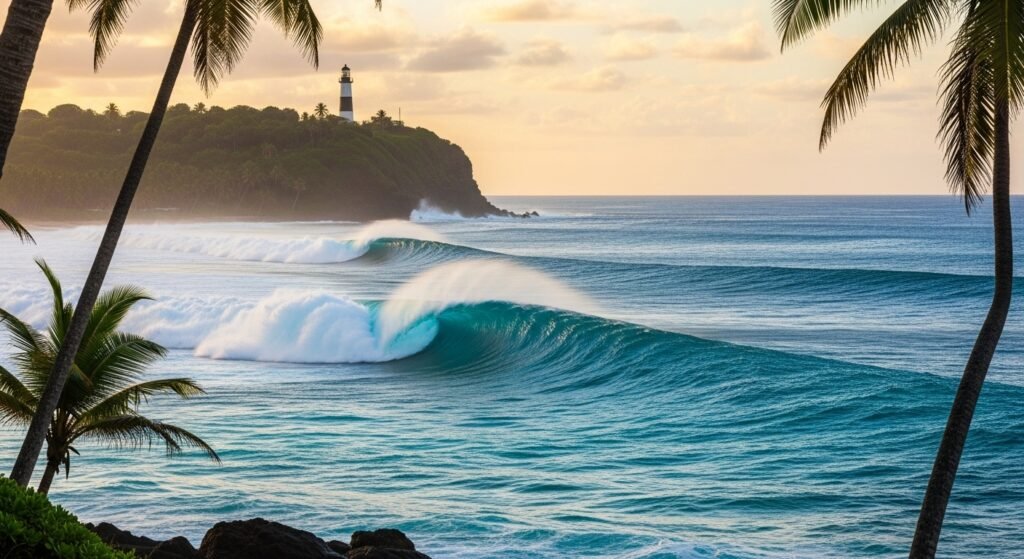
Rincon is a legendary town for anyone who loves the ocean. It is the surf capital of the Caribbean for a good reason. You will find it on the west coast where the Atlantic Ocean meets the Caribbean Sea. This place has a vibe like nowhere else on the Island of Enchantment. People from all over the world come here for the epic rincon beach surf. It is a spot where you can find heavy barrels or mellow longboard waves. You will love the crystal blue water and the warm tropical sun.
An Introduction to Rincon Surfing
Rincon is known as the North Shore of the Caribbean. It became famous after the 1968 World Surfing Championship. Before that, it was just a quiet town with coconut palms. Now it is a top spot for surf travel and surf camps. The town has grown a lot since the hippy days of the sixties. You can find great food and cool surf shops everywhere. The infrastructure is much better now for visitors.
The geography of the coast is very special. The land sticks out into the ocean to catch winter swells. These waves travel a long way to reach the shore. They turn into perfect rights that peel for a long time. You can feel the energy of the Atlantic winter storms here. It is a place where every surfer feels at home. The local hospitality makes the experience even better.
Rincon Surfing at a Glance

If you want to plan a trip, you need the basics. Rincon offers something for every type of surfer. Whether you are a pro or a beginner, there is a wave for you.
- Skill Level: Most spots are best for intermediate and advanced surfers.
- Water Temperature: The water stays warm all year long.
- Wave Types: You will find world-class barrels and long reef breaks.
- No Wetsuit: You can leave your thick rubber at home.
- Season: The best waves happen during the winter season.
Where is Rincon and How to Get There?
Rincon is on the northwestern edge of Puerto Rico. It feels far away from the busy city of San Juan. Getting there is an adventure through the beautiful island. You will see mountains and coastlines along the way.
Travel Logistics for Your Trip
Most people fly into San Juan at the Luis Muñoz Marín airport. It takes about two hours to drive to Rincon from there. You can also fly into Aguadilla, which is much closer. That drive is only about 45 minutes.
- San Juan Airport: This is the main hub with many flights.
- Aguadilla Airport: This is closer but has fewer flight options.
- Car Rentals: You really need a car to see all the surf spots.
- Surfboard Fees: JetBlue is a popular airline, but check their board fees.
- Drive Time: Expect a scenic trip regardless of which airport you choose.
Transportation Tips for Surfers
A car gives you the freedom to chase the best rincon beach surf. The north-facing breaks and west-facing breaks are a short drive apart. If you stay in Puntas, you might be able to walk to some spots. However, having wheels is always better for exploring.
- Rental Cars: Book your car early because they sell out fast.
- Navigating: Use a map to find hidden road road 2 happiness paths.
- Parking: Some spots like Sandy Beach have small parking lots.
- Walking: You can walk between some breaks if you stay nearby.
Comprehensive Guide to Rincon Surf Spots
The town is split into two main surfing areas. The north side faces the open Atlantic. The west side is more protected and faces the Caribbean. This layout means you can usually find a clean wave somewhere.
Sandy Beach

Sandy Beach is a favorite for many people in Puntas. It has a mix of sand and rock on the bottom. This makes it a bit safer than the pure reef breaks. It is a very social beach with a lot of energy.
- The Wave: This is one of the few places with good lefts.
- Swell Direction: It works best on a NW swell.
- Wind: A south wind keeps the waves clean and offshore.
- Vibe: You will find many people hanging out at the Sandy Beach parking lot.
Antonio’s
Just down the coast from Sandy Beach is Antonio’s. It takes the full force of the north swells. It is a very consistent spot during the winter.
- Conditions: Go early in the morning before the trade winds pick up.
- Skill Level: It is fun for intermediates when the size is small.
- Bottom: The reef is flat and not too scary for most.
- Rippable: It offers great walls for doing turns and maneuvers.
Pools
Pools is a shallow reef break near the north side. It is known for being a short and fast wave. You have to be quick to make the sections here.
- Wave Style: It can be very hollow and intense.
- Tide: It usually works best when the tide is dropping.
- Bottom: The coral reef here is very sharp and shallow.
- Warning: Watch out for the reef if you fall on a big set.
Domes

Domes is perhaps the most famous rincon beach surf spot. It sits right under a big old nuclear power plant. The dome on the hill is a landmark for every surfer. It is a very consistent right-hand wave.
- The Peak: It has a fast takeoff that can lead to a barrel.
- Consistency: It breaks almost every day during the winter season.
- Crowds: This is a very popular spot, so expect a crowd.
- Skill Level: Intermediates can handle it when the swell is small.
Maria’s
Maria’s is a legendary right-hand point break. It is named after a lady who used to live by the beach. This spot offers some of the longest rides in the area. It is a beautiful place to spend the whole day.
- Ride Length: You can ride a wave for over 100 meters.
- Lessons: Many people take surf lessons here when the waves are small.
- The Look: The waves look smaller from the beach than they really are.
- Wind: Easterly trade winds are perfectly offshore here.
Dogman’s
Between Maria’s and the lighthouse is Dogman’s. It is a peaky wave that moves around a lot. It is often less crowded than the main spots.
- Wave Direction: You can find both rights and lefts here.
- Lineup: The takeoff zone shifts, so surfers are spread out.
- Power: It can have a lot of punch on a solid NW swell.
Tres Palmas

Tres Palmas is the heavy hitter of the Caribbean. It is a world-class big wave spot. It only breaks when the swell is massive. When it is “on,” the whole town goes to watch.
- Swell Size: It needs at least 15 feet to start working.
- Equipment: You need a big “gun” surfboard to ride these waves.
- Skill Level: This is for experts and pro surfers only.
- Marine Reserve: The area is part of a protected marine reserve.
Little Malibu & The Marina
Near the town marina, you can find Little Malibu. It only breaks on the biggest days. It is a very fast and dangerous wave.
- Location: It sits right by the jetty at the Rincon Marina.
- The Wave: A very hollow right that peels over a shallow reef.
- Hazard: The reef is extremely sharp and covered in sea urchins.
- Requirement: You need a massive swell for this spot to wake up.
When to Surf in Rincon: Seasonality and Swell Patterns
The timing of your trip is everything for rincon beach surf. The ocean changes a lot throughout the year. You want to match the season with your skill level.
- Peak Winter: December to February is the most consistent time.
- Big Swells: January is usually when the biggest storms hit.
- Shoulder Season: October and March are great for smaller crowds.
- Summer: The ocean is often flat and good for snorkeling.
- Hurricane Season: Late summer can bring surprise swells from storms.
Essential Rincon Surf Tips and Safety

Surfing on a reef is different than surfing on sand. You need to be aware of your surroundings at all times. Safety should always be your first priority.
- Reef Protection: Wear booties if you are worried about your feet.
- Sea Urchins: These little guys are everywhere in the reef cracks.
- Currents: Be careful of strong rips when the swell is big.
- Etiquette: Don’t drop in on the locals and be respectful.
- Paddling: Learn where the channels are to make your paddle easier.
Where to Stay: Accommodation Options for Surfers
There are many places to stay depending on your budget. You can find everything from cheap hostels to nice hotels. Staying near the beach makes life much easier.
- Casa Verde: This hotel is famous for its party vibe and proximity to surf.
- Casa Isleña: A beautiful spot right on the sand at Sandy Beach.
- Coconut Palms Inn: A classic choice for people who love surf history.
- Rincon of the Seas: A bigger hotel with more amenities for families.
- La Cambija: A great area to stay near the marina and Tres Palmas.
Beyond the Surf: Life in Rincon

Rincon is more than just waves. It is a place to relax and enjoy the tropical life. There is so much to do when the waves are small.
- Dining: Try fresh fish at La Cambija or a burger at Kahuna Burger.
- Nightlife: Head to Puntas for drinks at Tamboo or Calypso.
- Sunsets: The sunsets at the lighthouse are some of the best in the world.
- Whale Watching: You can see whales jumping during the winter months.
- Diving: Take a boat to Desecheo Island for amazing clear water.
Rincon Surf Spots and Nearby Attractions
| Surf Spot Name | Wave Characteristics | Key Attractions & Nearby Landmarks |
| Sandy Beach | Fun lefts and rights; sand and rock bottom. | Tamboo Tavern, beachfront bars, and the lively Puntas social scene. |
| Antonio’s | Consistent rights; great for intermediate maneuvers. | Wide golden sand coastline and the beautiful Puntas hillside views. |
| Pools | Fast, shallow right-hand barrels. | Secluded swimming holes at low tide and luxury vacation villas. |
| Domes | Iconic, world-class right-hand point break. | The decommissioned Nuclear Power Plant (The Dome) and whale watching. |
| Indicators | Long, fast rights that connect on big swells. | El Faro de Rincon (The Lighthouse) and stunning sunset lookout points. |
| Maria’s | Long, peeling rights; very beginner-friendly when small. | Calypso Cafe and the historic local artisan stalls near the beach entry. |
| Dogman’s | Peaky, shifty takeoff zones with plenty of power. | Quiet, natural coastline and proximity to the Lighthouse park trails. |
| Steps Beach | Heavy winter shorebreak; expert level only. | Tres Palmas Marine Reserve and the famous lone concrete “Steps” on the sand. |
| Tres Palmas | Massive big-wave outer reef; Caribbean’s largest wave. | World-class snorkeling (in summer) and sightings of elkhorn coral forests. |
| Little Malibu | Extremely fast, hollow rights over very shallow reef. | The Rincon Marina, boat charters, and waterfront dining at La Copa Llena. |
| The Marina | Gentle waves during massive swells; otherwise calm. | Scuba diving departures, deep-sea fishing charters, and the local pier. |
| Spanish Wall | Remote peaky waves accessible by a scenic trail. | The historic Spanish Wall trail and lush tropical beachfront forest. |
| River Mouth | Shifty peaks that form after heavy tropical rains. | Bird watching and the scenic outlet of the Añasco River. |
Rincon is a dream destination for any surfer. The variety of breaks and the warm water make it perfect. Whether you are chasing the ride of your life or just learning, the rincon beach surf will not disappoint. Pack your bags and get ready for the Island of Enchantment.
FAQs About Rincon Beach Surf
What are the best surf shops in Rincon for board repairs?
Rincon Surf Shop and Mar Azul are the go-to spots for professional fiberglass or epoxy repairs. They handle everything from minor rail dings to snapped boards caused by heavy winter swells.
Are there any specific local surf laws or regulations?
While there are no formal government laws, the local code of conduct is strictly enforced by the community. Always yield to the surfer closest to the peak and avoid back-paddling others in the lineup.
Can I find surf photography services at the main breaks?
Professional photographers often station themselves at Domes and Maria’s during large swells. You can usually find their contact information on social media or local surf shop bulletin boards to purchase high-quality shots of your session.
What should I do if I get a sea urchin spine in my foot?
Soak the area in hot water and vinegar to help dissolve the calcium-based spines. If the spine is deep or shows signs of infection, visit the local clinic in the Rincon town center immediately.
Is it possible to surf at night in Rincon?
Surfing at night is not recommended due to the sharp reef bottoms and unpredictable currents. There are no lit beaches for night surfing, and the risk of hitting submerged rocks is extremely high.
Are sharks a major concern for surfers in Puerto Rico?
Shark encounters are extremely rare in Rincon compared to the mainland United States. The deep water off the coast and healthy reef systems generally keep large predators away from the surf zones.
What is the best way to check the surf report for Rincon?
Most locals use specialized apps like Surfline or Magicseaweed, but checking the “indicator” buoy data is the most accurate way to predict incoming long-period swells.
Do I need a physical map to find the secret spots?
While many spots are visible from the road, a physical topography map or a local guide can help you find trails leading to less-crowded “secret” reefs hidden behind private properties.
Are there any surf camps specifically for women in Rincon?
Several boutique surf schools offer women-only retreats that focus on empowerment and technique in a supportive environment, especially during the calmer spring months.
Can I bring my dog to the beach while I surf?
Most beaches like Sandy Beach and Maria’s are dog-friendly, but you should keep them on a leash to protect local nesting sea turtles and avoid conflicts with other beachgoers.
What is the “Step” in Steps Beach?
The beach is named after a set of concrete stairs that sits alone on the sand. While the beach is famous for snorkeling in summer, it becomes a heavy shorebreak for expert surfers in winter.
How do I identify a rip current in Rincon?
Look for a gap in the breaking waves where the water appears darker, calmer, or “dirty” with floating foam moving away from the shore. Avoid paddling directly against these currents if caught.
What is the best vehicle for a surf trip in Rincon?
A small SUV with a roof rack is the ideal choice. While the main roads are paved, the paths leading to certain breaks can be steep, narrow, and occasionally muddy after tropical rain.
Are there any freshwater showers at the surf breaks?
Public showers are available at the Rincon Marina and occasionally at Domes. Most other spots require you to bring your own gallon of fresh water to rinse off your gear.
Can I buy wax and leashes at the beach?
There are no vendors directly on the sand, but dozens of surf shops are located within a five-minute drive of any major break in Puntas or the Marina area.
Is there a lifeguard on duty at Rincon beaches?
Most Rincon beaches are not patrolled by lifeguards. Surfers and swimmers must be self-reliant and look out for one another in the water.
What kind of sunblock is best for the reef?
Always use reef-safe, biodegradable sunscreen. Traditional sunscreens contain chemicals like oxybenzone that can bleach and kill the delicate coral reefs surrounding Rincon.
Are there any surf-related festivals in Rincon?
The town hosts various events throughout the year, including the Corona Pro Surf Circuit and local paddleboard races, which bring live music and food vendors to the shore.
Can I kite-surf or wind-surf in Rincon?
When the trade winds pick up in the afternoons, spots like Sandy Beach become popular for kite-surfing, though surfers always have the right of way in the lineup.
Where can I find the best breakfast after a dawn patrol session?
The Puntas area is filled with cafes serving “surfer breakfasts” like acai bowls, heavy burritos, and local Puerto Rican coffee to help you recover after a long morning in the water.
Do I need a wetsuit for Rincon?
No, you do not need a wetsuit. The water is warm year-round. Most people just wear boardshorts or a bikini. A rash guard is a good idea to protect against the sun.
Is Rincon safe for beginners?
Yes, but you have to choose the right spot. Sandy Beach and Maria’s are good when the swell is small. Always check the report or ask a local before going out. Taking a lesson is the best way to start.
Can I rent a surfboard in Rincon?
Yes, there are many surf shops that offer board rentals. You can find high-performance shortboards and longboards. It is often easier than paying airline fees.
What is the best month for big waves?
January is usually the peak month for massive swells. This is when Tres Palmas is most likely to break. If you want huge waves, plan your trip for mid-winter.