
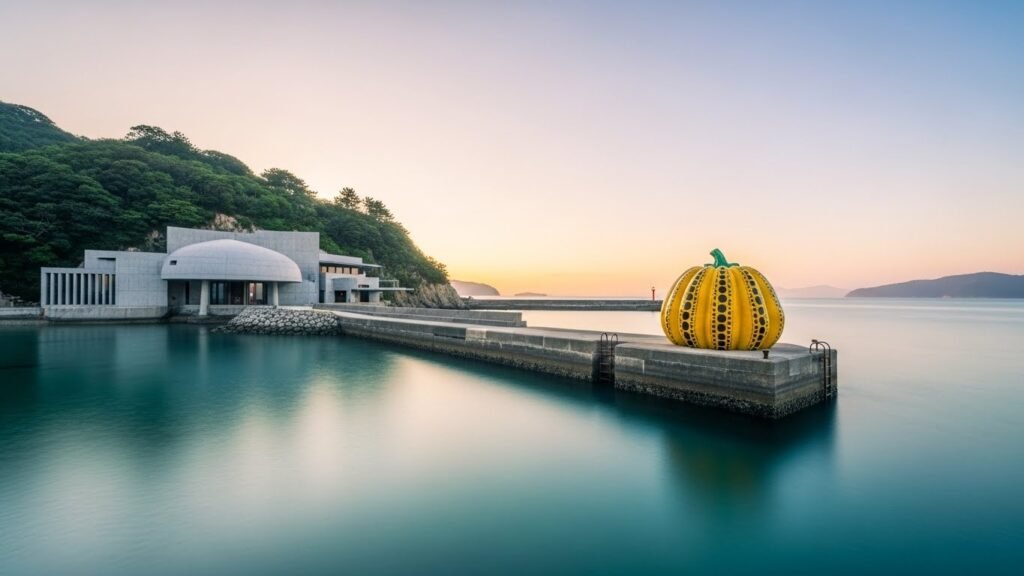
Exploring the art island Japan vibes is like stepping into a living dream. This place is not your typical tourist trap with bright lights. It is a quiet sanctuary in the Seto Inland Sea. Here, world-class modern art meets old-school fishing villages. You get to see massive sculptures right on the beach. The architecture is so cool it feels like it belongs in a sci-fi movie. This guide will help you navigate this amazing cultural hub. You will learn about the best museums and hidden gems. Let’s dive into why this spot is a total vibe for art lovers.
Introduction to the Seto Inland Sea Art Project
The art island Japan project started with a wild vision. A big company called Benesse wanted to fix up dying islands. They turned old industrial spots into beautiful art spaces. Now, it is a global destination for anyone who loves cool designs. You will see a perfect mix of nature and human creativity here.
The Vision of Soichiro Fukutake
The whole thing was the brainchild of Soichiro Fukutake. He wanted to help people live better through art. His company cleaned up the islands and invited top architects. They focused on the idea of Benesse, which means well-being. It was about bringing life back to a shrinking rural area.
The Synergy of Art and Nature
The art here is not just stuck in a white room. It lives outside among the trees and waves. Sculptures sit on the grass right next to the blue water. The buildings often hide underground to keep the landscape pretty. This balance makes the art island Japan experience feel very special. You feel calm and inspired at the same time.
A Surreal Escape
If you are tired of big cities, this is your spot. The streets are super quiet and very safe. You might see a giant pumpkin while walking on a pier. It feels like a movie set where everything is perfectly placed. People are friendly and the pace of life is very slow. It is the ultimate getaway for your brain.
Deep Dive: The History and Evolution of the Islands
The islands used to be very different back in the day. They were major spots for trade in the Seto Inland Sea. Later, big factories moved in and caused some pollution. The population started to drop as young people moved away. The art project was a way to save these beautiful places.
From Industry to Decline
In the 20th century, these islands had a lot of heavy industry. Smelters and refineries were built to process metals. This led to environmental problems that hurt the local nature. As the industries left, only the older people stayed behind. The islands were at risk of becoming totally empty.
The Architectural Revolution
Tadao Ando is the hero of the architecture here. He uses a lot of smooth concrete and natural light. His buildings look like they grew out of the earth. He designed the Chichu Art Museum and the Benesse House. His style is very clean and minimal, which fits Japan perfectly.
The Setouchi Triennale Phenomenon
Every three years, the islands host a massive festival. It is called the Setouchi Triennale and it covers 12 islands. Artists from all over the world come to build new things. Thousands of visitors flock here during the festival seasons. It has brought a huge boost to the local economy.
Getting to the Art Islands
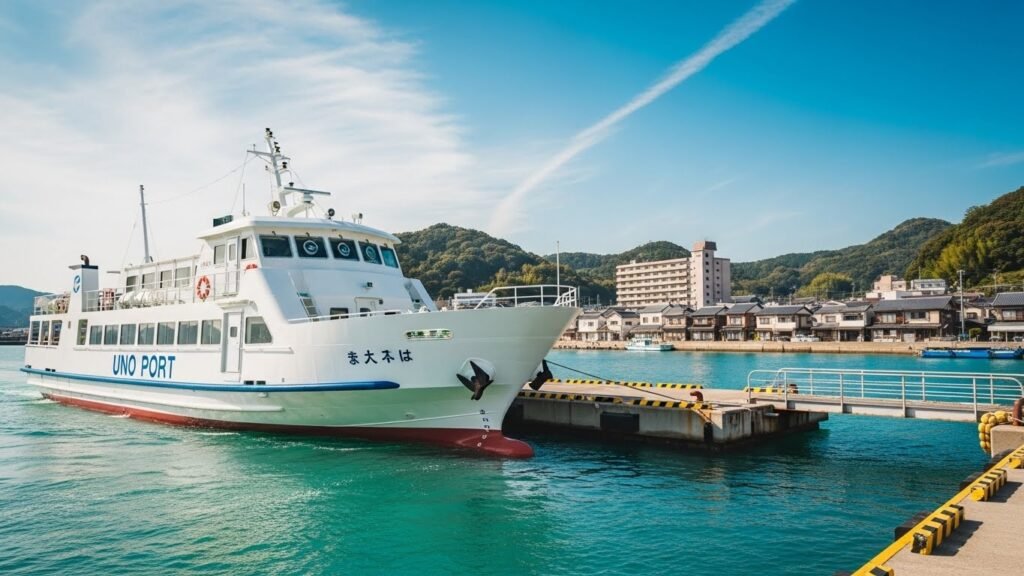
Getting to the art island Japan region takes a bit of work. But the journey is part of the fun adventure. You will ride high-speed trains and cool local ferries. Most people start their trip from big cities like Tokyo.
Major Transportation Hubs
- The Shinkansen Route: Take the bullet train to Okayama Station from Tokyo or Osaka.
- Air Travel Options: Fly into Takamatsu Airport if you are coming from other parts of Asia.
- The Train Transfer: From Okayama, grab a local train to the port town of Uno.
The Gateway Cities
Uno Port is the main gate for people coming from the north. It is a small town with its own cool street art. Takamatsu Port is the gateway if you are coming from Shikoku island. Both ports have regular ferries that run all day long.
Ticketing and Passes
- Japan Rail Pass: This is the best way to save money on long train rides.
- Ferry Passes: Look for special passes during the Triennale festival to save cash.
- Digital Tools: Use apps like Google Maps to check the latest ferry times.
Essential Logistics and Planning
You need to plan ahead to have a great time here. Some museums are very popular and sell out fast. You also need to watch the calendar for closed days.
Seasonal Timing
Spring is amazing because the weather is very mild. Fall is also great because the leaves change colors. Summer can get really hot and humid on the islands. Winter is peaceful but some spots might be closed for repairs.
The Monday Rule
Most museums on Naoshima are closed every Monday. If Monday is a holiday, they close on Tuesday instead. Teshima museums usually close on Tuesdays during the week. Always check the official website before you head out.
Digital Prep
- Reservation Systems: Book your spot for the Chichu Art Museum weeks in advance.
- Connectivity: Buy a travel SIM card so you can use maps on the go.
- Cash is King: Many small shops on the islands do not take credit cards.
Navigating the Islands: Transportation Tips
The islands are bigger than they look on a map. You cannot just walk everywhere if you are in a rush. You need to pick the right way to move around.
The Electric Bike Experience

Renting an electric bike is the smartest move you can make. The roads have a lot of steep hills that are hard to climb. The motor helps you zoom up without getting all sweaty. It gives you the freedom to stop whenever you see something cool.
Bus Networks
There is a local town bus that goes around the main spots. It is very cheap but it does not run very often. Benesse House has its own private shuttle for people staying there. Make sure to grab a paper schedule at the ferry port.
Walking Tours
The Honmura district is perfect for walking on your feet. The streets are very narrow and made of old wood. You can find tiny shrines and hidden art in the alleys. It is a great way to see how local people really live.
Inter-Island Ferries
Ferries are like the subway system for the art island Japan area. There are large ferries for cars and fast boats for people. You need to be on time because they leave exactly as scheduled. Check the weather because boats stop running if it is too windy.
Naoshima: The Cultural Heart
Naoshima is the most famous island of the whole group. It has the most museums and the famous pumpkin sculptures. It is the best place to start your art journey.
Miyanoura Port: The Welcome Mat
- The Red Pumpkin: This is a big hollow sculpture you can actually go inside.
- Naoshima Pavilion: A white metal structure that looks like a floating cloud.
- I♥YU (I Love Bath): A crazy bathhouse decorated with recycled art and neon lights.
The Honmura Art House Project
- Kadoya: An old house with a pool of water and flashing LED numbers.
- Minamidera: A building where you sit in total darkness to see light.
- Gokaisho: A peaceful spot with beautiful wood carvings of flowers.
- Haisha: A former dentist office that now looks like a giant collage.
- Go’o Shrine: An ancient shrine with a staircase made of optical glass.
The Museum Area (Tadao Ando’s Legacy)
- Chichu Art Museum: Most of this building is buried deep in the ground.
- Lee Ufan Museum: A quiet space focused on minimalism and big stone pieces.
- Valley Gallery: A newer spot with thousands of shiny silver balls on the grass.
- Naoshima New Museum of Art (2025): The newest landmark for modern Asian art.
The Benesse House Complex: Art You Can Live In
This is a museum that is also a luxury hotel. It is one of the coolest places to stay in the world. Even if you don’t stay there, you can visit the galleries.
Museum, Oval, Park, and Beach
There are four different buildings to choose from for your stay. The Oval is the most famous because it has a huge pool. The Park building is close to the water and very green. The Beach building feels like a cozy house right on the sand.
Outdoor Installations
You can find art all over the grounds of the hotel. There are big metal pieces and hidden photos on the walls. Walking around the garden feels like a treasure hunt for art. You don’t even need a ticket to see some of these.
The Yellow Pumpkin
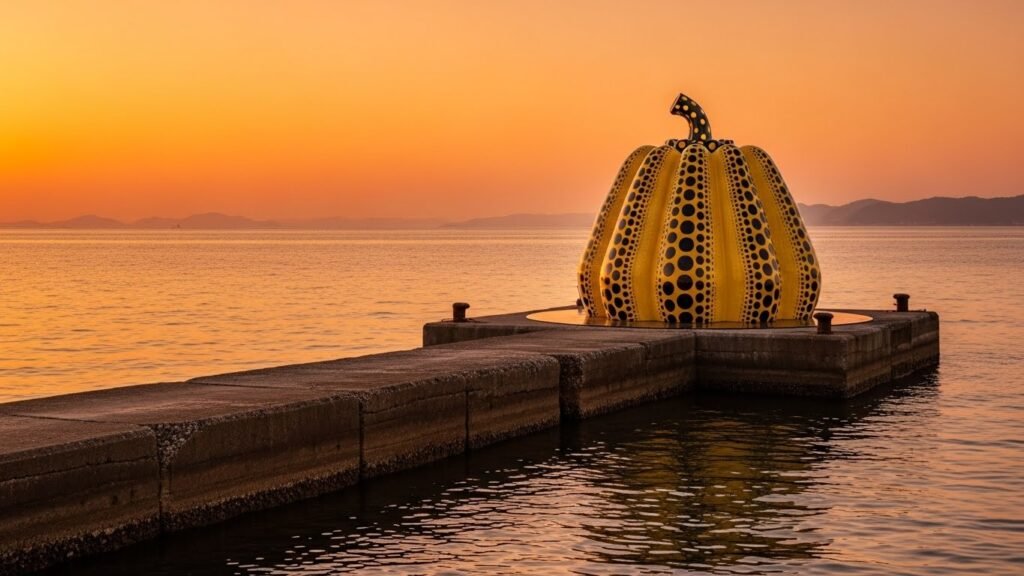
This is the most famous symbol of the art island Japan project. It sits at the end of a long pier over the ocean. It was actually washed away by a storm once but they put it back. Everyone waits in line to take a photo with it.
Exclusive Access
Hotel guests get to see the art after the crowds go home. You can walk through the museum in your pajamas late at night. It is a very quiet and magical experience for art lovers. This is why people book their rooms many months in advance.
Teshima: Where Art Meets Life
Teshima is a bit more wild and rural than Naoshima. It has amazing views of terraced rice fields and the sea. The art here is very connected to the local nature.
Teshima Art Museum
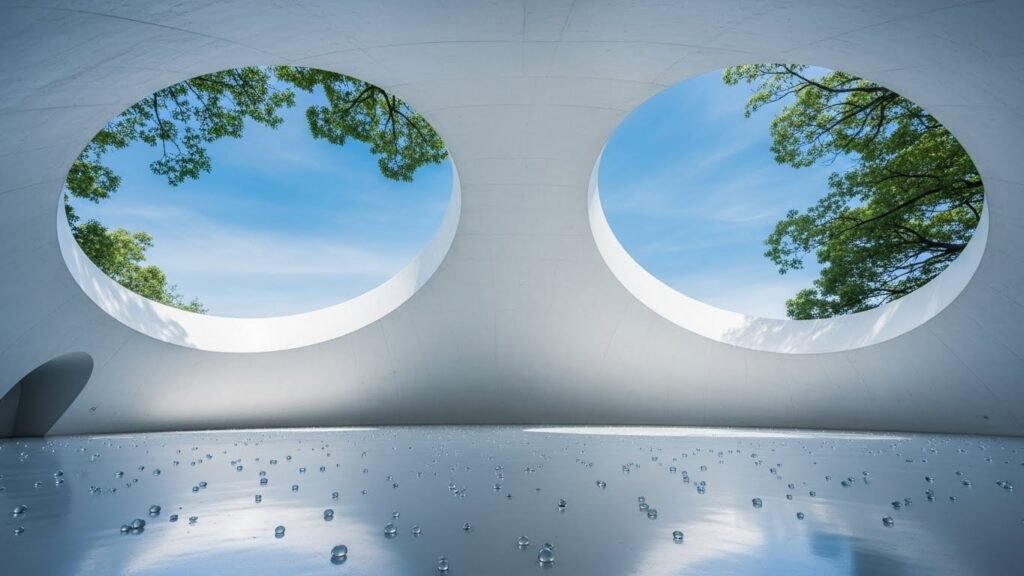
- The Design: It looks like a giant white water droplet on the ground.
- The Experience: Tiny drops of water move across the floor like they are alive.
- The Silence: You have to be very quiet inside to hear the wind and birds.
Les Archives du Cœur
This is a small building on a remote beach on the island. It holds thousands of recordings of real human heartbeats. You can go into a dark room and hear a heart beating very loud. You can even record your own heartbeat to add to the collection.
Yokoo House
This house is a explosion of red colors and crazy paintings. It explores the themes of life and death in a cool way. The garden has a pond with colored stones and glass walls. It is a very different vibe from the minimal Ando buildings.
Additional Spots on Teshima
- The Needle Factory: An old industrial building that now holds a giant wooden hull.
- Shima Kitchen: A great place to eat lunch made with local island vegetables.
- Coastal Scenery: The bike ride between these spots is absolutely breathtaking.
Inujima, Megijima, and Ogijima: The Remote Gems
If you have more time, you should visit the smaller islands. They are much quieter and feel like a secret discovery. Each one has its own unique style of art.
Inujima Seirensho Art Museum
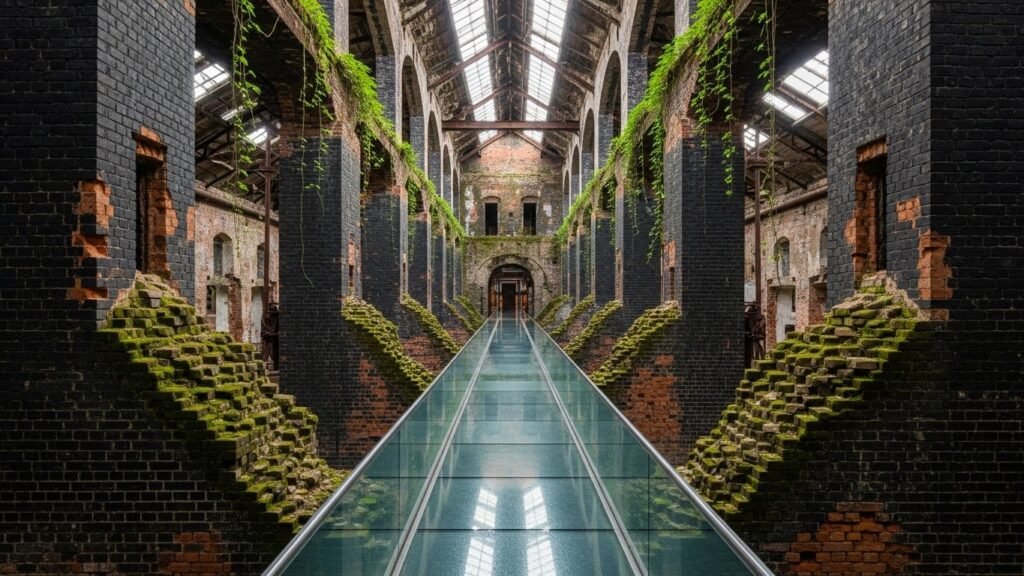
This museum was built inside the ruins of an old copper refinery. It uses the black bricks from the factory to create a maze. The building uses no electricity for cooling or heating at all. It is a masterpiece of sustainable design and history.
Megijima (Ogre Island)
- Onigashima Cave: A cave linked to the famous Japanese legend of Momotaro.
- Island Theater Megi: A cute theater that looks like an old New York cinema.
- Walking Ark: A sculpture of a boat with legs that looks like it is walking.
Ogijima (The Cat Island)
This island is built on a very steep hill with tiny paths. It is famous for having a lot of friendly cats roaming around. The art installations are hidden inside the traditional houses. It feels like a beautiful maze made of wood and stone.
Photography, Etiquette, and Cultural Norms
Japanese culture is big on respect and following the rules. This is especially true at the art island Japan locations. You need to be a polite guest to enjoy your trip.
The No Photo Policy
Most museums do not allow you to take photos inside. They want you to look at the art with your eyes, not your phone. This makes the experience much more powerful and quiet. You can take as many photos as you want of the outdoor pieces.
Respecting the Residents
Real people still live on these islands and work as fishermen. Do not wander into people’s private gardens or take photos of them. Keep your voice down when you are walking through the villages. The art project only works if the locals are happy too.
The Sento Experience
If you go to the I♥YU bathhouse, you need to follow the rules. You must wash your whole body before you get into the hot water. No swimsuits are allowed inside the communal bath area. It is a great way to relax like a local person.
Culinary Arts: Dining on the Islands
Eating on the islands is a huge part of the fun. You get to try fresh seafood and local island fruits. Many of the restaurants are art pieces themselves.
Island Flavors to Try
- Olive Soda: A sweet and refreshing drink made from local olives.
- Setouchi Lemons: These lemons are famous for being very sweet and juicy.
- Fresh Sashimi: The fish comes straight from the surrounding sea every morning.
Best Dining Spots
- Chichu Cafe: Sit on the terrace and look at the ocean while you eat.
- Shima Kitchen: This spot brings together food, art, and the local community.
- Honmura Cafes: There are many small cafes hidden in the old wooden houses.
Accommodations Beyond Benesse
You don’t have to spend a fortune to stay on the art island Japan. There are plenty of cool options for every budget. Just make sure to book your room early.
Traditional Ryokans
Staying in a ryokan lets you sleep on a futon on the floor. You get to wear a yukata and eat a traditional breakfast. It is a very authentic way to experience Japanese culture. Many of these are run by friendly local families.
Tsusujiso Lodge and Yurts
- The Yurts: Large round tents that sit right on the beach sand.
- The Vibe: It feels like high-end camping with the sound of the waves.
- Location: It is located right next to the famous yellow pumpkin
The Perfect 5-Day “Art Island Japan” Itinerary
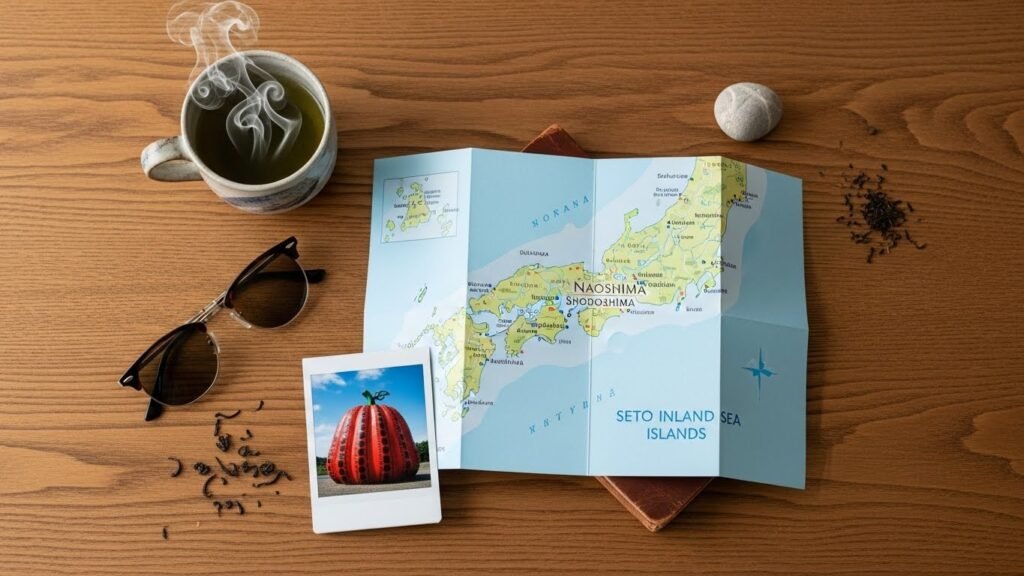
This 5-day plan is designed for a seamless, stress-free adventure through Naoshima, Teshima, and Inujima. It balances high-energy museum visits with quiet island moments.
Day 1: Arrival and the Magic of Miyanoura
Your journey begins at the main gateway of the art island Japan circuit.
- 10:00 AM – Arrival: Take the ferry from Uno Port to Miyanoura Port. Immediately rent an electric bike from “Little Plum” or “Cafe Ougiya” right across from the terminal.
- 11:30 AM – First Look: Explore the Red Pumpkin by Yayoi Kusama and the Naoshima Pavilion.
- 1:00 PM – Lunch: Eat at Cin.na.mon. Try their famous “Naoshima Curry” or fresh seafood set meals.
- 2:30 PM – Afternoon Dip: Visit the I♥YU (I Love Bath). Even if you don’t bathe, the exterior is a masterpiece of collage art.
- 5:00 PM – Check-in: Head to your stay.
- Stay: Benesse House (Luxury) for the ultimate art experience, or Yado Seven Beach (Budget) for a cozy local vibe near the port.
Day 2: The Architectural Marvels of Naoshima
Spend today focused on the most famous museums on the island.
- 9:30 AM – Chichu Art Museum: (Reservation Required). Spend 2 hours exploring this underground wonder.
- 12:00 PM – Lunch: Enjoy a quiet meal at the Chichu Cafe. The outdoor terrace has incredible views of the Inland Sea.
- 1:30 PM – Lee Ufan and Valley Gallery: A short walk or bike ride from Chichu. Don’t miss the thousands of silver balls at the new Valley Gallery.
- 3:30 PM – Benesse House Museum: Explore the galleries and the outdoor sculptures on the lawn.
- 6:00 PM – Dinner: If staying at Benesse, dine at Restaurant Issen. For a local option, head to New Olympia for high-quality sashimi.
Day 3: The Traditional Soul of Honmura
Today is about the Art House Project, where old village homes become art.
- 10:00 AM – Honmura Walk: Start at the Art House Project ticket office. Visit Minamidera (James Turrell) and Kadoya first as they are the most popular.
- 12:30 PM – Lunch: Eat at Aisunao. They serve healthy, organic “brown rice” set meals in a beautiful 80-year-old traditional house.
- 2:00 PM – Ando Museum: Learn about the architect who shaped the island in this small but powerful space.
- 4:00 PM – Yellow Pumpkin: Head to the pier near Tsutsuji-so to catch the sunset with Yayoi Kusama’s Yellow Pumpkin.
- Stay: Naoshima Ryokan Roka for a high-end traditional experience with private open-air baths.
Day 4: Teshima’s Nature and Heartbeats
Take the morning ferry (20 mins) from Naoshima to Teshima (Ieura Port).
- 10:00 AM – Teshima Art Museum: (Reservation Required). This is often the highlight for many travelers. Spend at least an hour in silence here.
- 12:30 PM – Lunch: Shima Kitchen. This open-air restaurant is an art piece in itself. It uses ingredients grown right on the island.
- 2:30 PM – Les Archives du Coeur: Bike to the far end of the island to hear the library of heartbeats on the beach.
- 4:00 PM – Yokoo House: Return to the port area to see the vibrant, surreal world of Tadanori Yokoo.
- Stay: Teshima Espoir Park or a local Airbnb in the Ieura village area.
Day 5: Inujima Ruins and Departure
A final short boat trip to the smallest of the main art islands.
- 9:30 AM – Boat to Inujima: Take the high-speed boat from Teshima to Inujima (approx. 25 mins).
- 10:30 AM – Seirensho Art Museum: Explore the massive copper refinery ruins transformed into a zero-energy museum.
- 12:30 PM – Village Art Houses: Walk through the tiny village to find the floating petal art and reflective installations.
- 1:30 PM – Quick Lunch: Grab a simple bowl of noodles or a bento from the small ticket center cafe.
- 3:00 PM – Final Ferry: Take the boat back to Uno Port (Okayama) or Takamatsu to begin your journey home.
Practical Tips for Your 5-Day Plan
- Food: Many island restaurants close by 6:00 PM. If you aren’t eating at your hotel, plan your dinner early or buy snacks at the 7-Eleven near Miyanoura Port (the only convenience store on Naoshima).
- Booking: Book your Chichu and Teshima Art Museum tickets exactly when they go live online (usually 1 month in advance) or you will miss out.
- Luggage: Use the coin lockers at the ports so you don’t have to carry bags on your rental bike.
Sustainable and Mindful Travel
The art islands are a lesson in how to save our planet. They show that we can fix old places and make them beautiful again. Traveling here should be about taking it slow and being mindful.
The Slow Travel Movement
Don’t try to see every single thing in one day. Pick a few spots and really spend time with the art. Sit on a bench and watch the sea for a while. The best part of the islands is the peace you find there.
Ecotourism Impact
By visiting, you are helping to keep these small islands alive. Your money goes to preserving the nature and the old houses. It is a great example of how tourism can be a good thing. Leave no trash behind and stick to the marked paths.
Conclusion: The Impact of the Art Islands
A trip to the art island Japan region is something you will never forget. It changes the way you think about museums and architecture. You leave feeling refreshed and full of new ideas. It is truly a one-of-a-kind place that everyone should see once.
Final Tips for Your Trip
- Book Chichu early: Do not wait until you arrive to get tickets.
- Rent an e-bike: Your legs will thank you at the end of the day.
- Check the ferry schedule: Do not miss the last boat back to the mainland.
- Carry cash: Small cafes and bike shops often only take yen.
Now you are ready to explore the amazing art island Japan has waiting for you. Get your camera ready for the outdoor pumpkins and your mind ready for the indoor masterpieces. It is going to be an epic journey.
Frequently Asked Questions About the Art Island Japan
What is the biggest mistake visitors make on Naoshima?
The most common error is trying to rush through everything in a single day. Many people treat the island like a checklist and end up exhausted. The true magic of the art island Japan is found in the slow moments between museums. You should give yourself time to sit by the water and just breathe.
Can I find a convenience store on every island?
No, and this is a very important thing to remember. Naoshima has only one 7-Eleven located near the Miyanoura Port area. Teshima and Inujima have no convenience stores at all. You must pack snacks and plenty of water before you leave for the smaller islands.
Is it okay to take photos inside the museums?
Generally, the answer is a firm no. Most museums on the art island Japan have a very strict no-photography policy. This is to ensure that everyone can enjoy the art without distractions. Staff are very diligent and will stop you if they see a camera out. You can take photos of the outdoor sculptures as much as you like.
What should I do if the electric bikes are sold out?
During peak season or the Triennale festival, bikes can sell out within an hour of the first ferry arrival. If this happens, you should head straight to the local bus stop. The town buses are reliable and follow a set schedule. You can also explore the Honmura area entirely on foot since the Art Houses are close together.
Are there many cats on the islands?
Yes, especially on Ogijima, which is often called a cat island. You will see many friendly stray cats lounging near the ports and in the narrow alleys. While they are cute, remember to be respectful and not feed them human food. They are a beloved part of the local island life.
What is the “Solashio” salt I see in shops?
Solashio is a special local salt made right on Naoshima island. It has large, crunchy flakes and is produced using traditional sun-drying methods. It makes for an excellent souvenir because it represents the local culture. You can find it in small shops around the Miyanoura and Honmura districts.
Is there a specific dress code for the art museums?
There is no formal dress code, but comfort is key. You will be doing a lot of walking and potentially some uphill cycling. Most visitors wear casual, breathable clothing and very comfortable sneakers. If you plan to visit the I♥YU bathhouse, bring a light towel and a change of clothes.
Do I need to carry cash on the islands?
Yes, cash is absolutely essential for your trip. While major museums and hotels accept cards, small cafes and bike rentals do not. Many of the local buses also require exact change in coins. Make sure to withdraw enough yen at an ATM on the mainland before you board the ferry.
Can I visit the islands during a typhoon?
Ferry services are often suspended during heavy rain or strong winds. If a typhoon is approaching, the boats will stop running for safety reasons. This can leave you stranded on an island or unable to reach your hotel. Always check the weather forecast and ferry websites 24 hours before you travel.
What are the “spiders” people talk about?
During late summer and autumn, you may see large Joro spiders in their webs. They are very common in the rural areas and gardens of the art island Japan. They are not aggressive and generally stay high up in their webs. Just be mindful when walking through narrow, overgrown paths.
Is the tap water safe to drink on the islands?
Yes, the tap water in Japan is safe to drink and of very high quality. You can refill your reusable water bottle at your hotel or at public taps. This is a great way to save money and reduce plastic waste during your travels.
What makes the all-women Bunraku troupe unique?
Naoshima is home to a unique puppet theater troupe called Naoshima Onna Bunraku. Traditionally, Bunraku puppeteers in Japan were only men. This group of local women revived the tradition on the island and performs during special festivals. It is a rare cultural gem that is very different from the modern art.
Can I swim at the beaches near the art?
Yes, there are several swimming areas near the Benesse House complex and Tsutsuji-so. The water in the Seto Inland Sea is generally calm and clear. Just be aware that there may not be lifeguards on duty. Use the designated changing areas and follow any local safety signs.
How do I handle my trash on the islands?
Trash cans are surprisingly rare in public spaces on the islands. You are expected to carry your trash with you until you return to your hotel or the port. It is a good idea to carry a small plastic bag in your backpack for this purpose. Keeping the islands clean is a big priority for the local residents.
Is there any art that is only open at night?
Yes, the James Turrell “Open Sky” program at Chichu Art Museum is a night-exclusive event. It takes place at sunset on certain days of the week. You must book a special ticket for this, and it offers a totally different experience of the light installation.
Are the islands accessible for people with limited mobility?
Some areas are challenging because the islands are hilly and the streets are very narrow. However, major museums like Chichu and Benesse have elevators and ramps. You should contact the Benesse Art Site in advance if you need specific help. Rental wheelchairs are available at some ticket centers.
What is the best way to avoid the crowds?
The best tip is to visit on a weekday outside of the holiday seasons like Golden Week. Start your day as early as possible by taking the first ferry from the mainland. Visit the most popular sites, like the Chichu Art Museum, right when they open. The islands become much quieter in the late afternoon after the last day-trip ferry departs.
What happens if I miss the last ferry?
If you miss the last boat, you will be stuck on the island for the night. There are very few last-minute accommodation options, and they fill up fast. Taxis are limited and cannot take you across the sea. Always keep a close eye on the time and arrive at the port 15 minutes before departure.
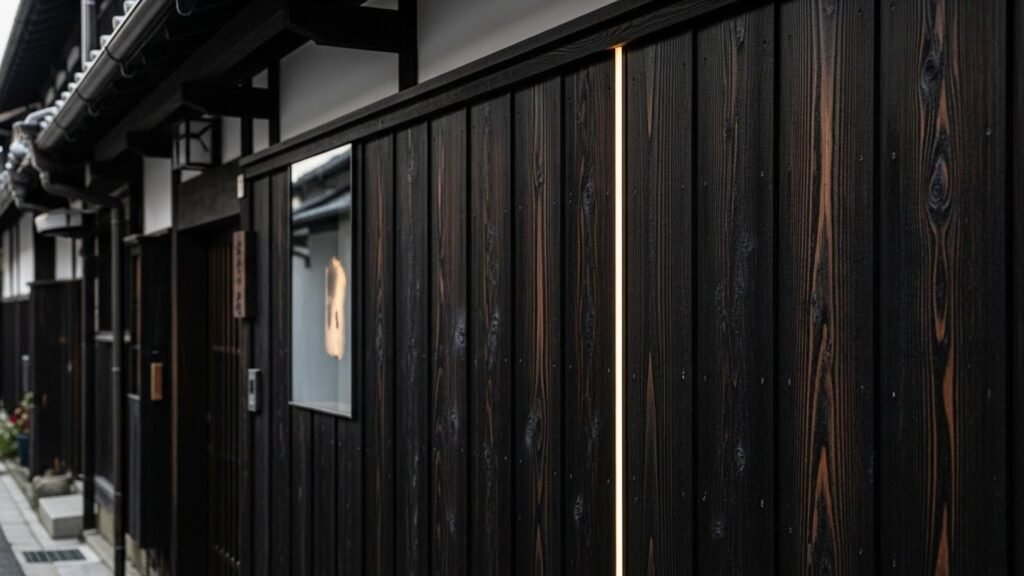
Why do some houses in Honmura have charred wood?
You will notice many houses covered in black, burnt-looking wood. This is a traditional Japanese technique called “shou sugi ban.” Charring the wood makes it resistant to rot, insects, and fire. It is a beautiful and practical architectural feature that you will see all over the art island Japan.
Can I rent a car on Naoshima?
There are very few car rental options on the island, and it is generally not recommended. The streets in the village areas are too narrow for most cars. Bicycles and the local bus are much more efficient for getting between the different art sites. Walking is the best way to soak in the local atmosphere.