 Skip to content
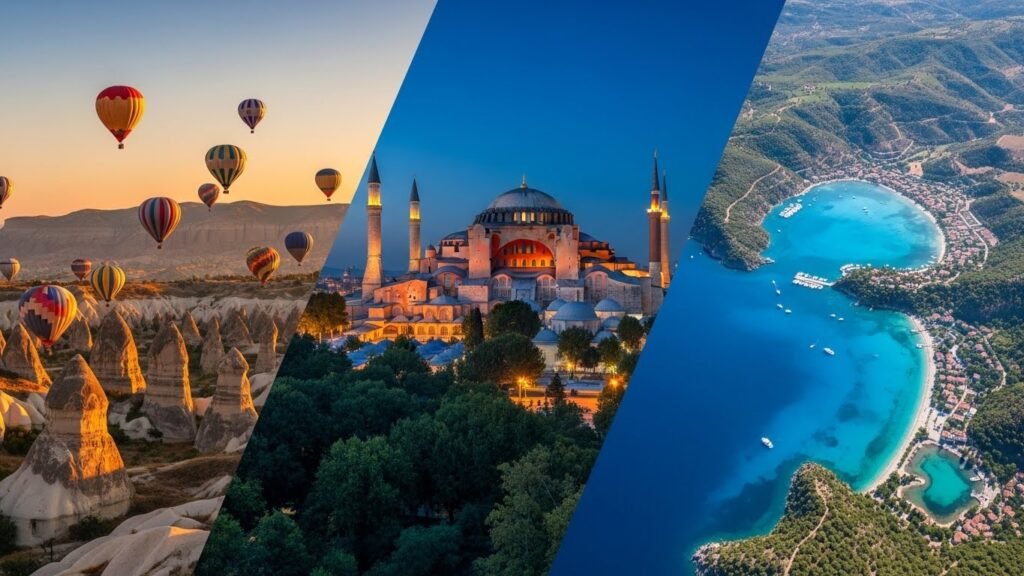
Turkey is a massive place with so much to offer travelers from all over. You can find ancient history and crazy natural views in every corner of this country. This guide covers everything from the wild streets of Istanbul to the quiet beaches of the Mediterranean. If you want to know the top things to do in Turkey, you are in the right place. Let’s dive into this epic journey through one of the coolest spots on the planet.
The Cultural Essence: Must-Experience Turkish Traditions
To really get Turkey, you have to jump into their local traditions first. The culture here is a mix of old school vibes and modern living. You will find people here are super nice and always ready to help. It is one of those places where you feel like a guest, not just a tourist.
Experience a Traditional Turkish Bath (Hammam)
A trip to a Turkish bath is a total reset for your body and soul. It is a ritual that has been around for hundreds of years. You start by chilling in a hot steam room to loosen up. Then, a pro will scrub your skin with a rough cloth called a kese.
- The Ritual: You get a deep exfoliation that removes all the dead skin and dirt.
- Historical Significance: Many of these baths are 600 years old and very beautiful.
- Top Recommendations: Check out the Cağaloğlu Hamam in Istanbul or old spots in Izmir and Bursa.
The Spiritual Journey of the Whirling Dervishes
Watching the Whirling Dervishes is a very powerful and quiet experience. It is not just a dance, but a deep religious ceremony called a Sema. The dancers spin around in long white robes to find a spiritual path.
- Sema Ceremony: This is a core part of Turkey’s Sufi heritage and history.
- Symbolism: The spinning represents the human soul moving toward truth and love.
Culinary Landmarks and Rituals

Food is the heart of every Turkish home and street corner. You cannot leave without trying the massive breakfast spreads they serve. It is a feast that will keep you full for the whole day.
- The Turkish Breakfast (Serpme Kahvaltı): This includes olives, honey, various cheeses, and clotted cream called Kaymak. It is so big that most locals skip lunch.
- Dine at a Meyhane: These are local taverns where you eat mezes and drink Raki. They are built to promote social interaction and long talks.
- Turkish Tea & Coffee Culture: Tea is actually more popular than coffee with locals. It is served everywhere in small glasses.
- Street Food & Sweets: Grab some Simit on the street or eat Baklava and Turkish Delights for dessert.
- Gaziantep: This city is the world capital for pistachios and the best baklava you will ever eat.
Local Life and Hospitality
The best part of Turkey is often the small things you see every day. You will notice how much people love the street cats in every city. It is a sign of how kind the local culture really is.
- Interacting with Street Cats: People build little houses and put out food for them everywhere. Locals treat them with immense love.
- The Game of Tavla (Backgammon): You will see men playing this in cafes while sipping hot tea. It is considered a national sport.
- Multi-language Haggling: Shopping in the bazaars is an art form where you negotiate for the best price.
Istanbul: The Transcontinental Metropolis
Istanbul is the only city in the world that sits on two different continents. It is a wild mix of Europe and Asia with a long history. You can see ancient churches right next to massive modern bridges.
The Historic Peninsula (Sultanahmet)

This area is the old heart of the city where most big sights are. You can walk from one famous building to the next in minutes. It feels like stepping back in time to the Ottoman Empire.
- Hagia Sophia Mosque: This huge building was once a church and is now a mosque. “Skip the line” tickets are great if you are busy.
- The Blue Mosque (Sultan Ahmed): It is famous for its blue tiles and its six tall minarets. Access is free for everyone.
- Topkapi Palace: This was the home of the sultans and has a crazy view of the water.
- Basilica Cistern: An underground water palace with 336 giant marble columns.
- The Blue Mosque Square: A great place to sit and watch the crowds go by.
Markets and Shopping
If you love shopping, Istanbul is going to be your favorite place on earth. The markets here are loud, colorful, and full of cool stuff to buy. You can find everything from gold to fresh spices in one day.
- The Grand Bazaar: This is one of the oldest covered markets in the world with 4,000 shops. Be aware that people often smoke inside.
- The Spice Market (Egyptian Bazaar): Come here for the best smells and to buy dried fruits.
Modern Districts and Bosphorus Views
Beyond the old town, Istanbul has a very cool and modern side. You can take a boat ride to see the city from the water. It is the best way to see the massive mansions along the shore.
- Istiklal Avenue & Taksim Square: This is the best spot for shopping, food, and nightlife.
- Bosphorus Ferry/Cruise: Crossing the Bosphorus Strait is a must to see the European and Asian sides.
- Fener & Balat: These old neighborhoods have very colorful houses and narrow streets for photos.
- Prince’s Island: You can take a ferry to these islands where no cars are allowed. They were once used for royal banishment.
Cappadocia: The Surreal Heart of Anatolia
Cappadocia looks like it came straight out of a movie or a dream. The ground is full of strange rock towers and hidden cave houses. It is one of the most unique landscapes you will ever see.
The Landscape of Fairy Chimneys
These rocks were made by volcanoes and rain over millions of years. They are called fairy chimneys because they look so magical and weird. You can hike through different valleys to see them up close.
- Love Valley: This spot is famous for its tall, mushroom-shaped rock towers.
- Pigeon Valley: You will see thousands of tiny holes carved for pigeons to live in.
- Rose & Red Valley: These rocks turn bright pink and red when the sun goes down.
- Monks Valley (Pasabag): This area has some of the coolest rock spires in the whole region.
- Devrent Valley: Also known as Imagination Valley because the rocks look like animals like camels.
Activities in the Clouds and Earth

There is so much more to do here than just looking at the rocks. You can go high in the sky or deep into the ground. Every activity here feels like a big adventure for first timers.
- Hot Air Balloon Rides: Waking up early to fly over the chimneys is a life-changing experience.
- Balloon Watching: You can also just watch the balloons from the ground at sunrise for great photos.
- Stay in a Cave Hotel: Many hotels are built right into the soft volcanic rock for a cool vibe.
- Underground Cities: Explore Kaymakli or Derinkuyu, where people lived deep underground to stay safe.
- Göreme Open-Air Museum: See ancient churches carved into rocks with beautiful old paintings inside.
- Adventure Sports: You can go on an ATV safari or a horse ride through the dusty trails.
- Carpet Galleria Ikman: This is a very famous shop where people take photos surrounded by rugs.
The Turquoise Coast: Antalya to Fethiye

The southern coast of Turkey is called the Turquoise Coast for a good reason. The water is incredibly blue and the beaches are world-class. This area is perfect for a road trip or just relaxing.
Antalya City and The Lara District
Antalya is a big city that feels like a resort town with history. It has a beautiful old town and some of the best hotels. You can find waterfalls and mountain views right in the city.
- Kaleiçi (Old Town): Walk the cobblestone streets to see boutique hotels and old art galleries.
- Hadrian’s Gate: A massive Roman arch that marks the entrance to the old city.
- Old Harbor: A great spot to have lunch and watch expensive yachts in the water.
- Tünektepe Teleferik: Take a cable car ride up the mountain for backdrops of the mountains.
- Waterfalls of Antalya: Visit Düden Waterfalls or the quiet Kurşunlu Waterfall in the pine forest.
- Konyaalti Beach: A long beach with clear water and a backdrop of big mountains.
- Lara District: This area has luxury resorts and great spots for cliff jumping from piers.
- Aqua Land: A fun water park with slides that are great for kids and young adults.
Kaş: The Coastal Jewel
Kaş is a smaller, more chill town that feels very bohemian. It is famous for its narrow streets and great diving spots. It is the perfect place to slow down for a few days.
- Kaputaş Beach: This is one of the most beautiful beaches in Turkey at the end of a gorge. Visit after 4 PM to avoid crowd and parking issues.
- Cukurbag Peninsula: Take a scenic drive around the peninsula for some very quiet swim spots.
- Saklikent Canyon: You can trek through the cold water in this very deep canyon. Agree on a guide price beforehand to avoid overcharging.
- Akçagerme Beach: A pebbly beach that is very popular with families and has good food.
Fethiye and Oludeniz
Fethiye is the adventure capital of the coast with so many things to do. You can fly through the air or sail on a wooden boat. The views of the lagoons here are absolutely stunning.
- Tandem Paragliding: Jump off Mount Babadag and fly over the famous Blue Lagoon.
- Oludeniz Town & Beach: This is where you find the most famous blue water in Turkey.
- Kumburnu Beach: This specific beach in Oludeniz has the most beautiful color of water.
- Butterfly Valley: A secluded valley you can only reach by boat to see waterfalls and cliffs.
- Kidrak Beach: A very quiet and chill beach with hammocks under the trees.
- Sun City Beach Club: A nice private beach club inside a natural park area with an entrance fee.
- Kabak Beach: A hidden gem at the bottom of a hill that hippies love for its bungalows.
Historical Ruins and Natural Spas
Turkey is like a giant open-air museum with ruins from many empires. You can find Greek temples and Roman theaters all over the place. It is a dream come true for anyone who loves history.
Ephesus and the Aegean Heritage
Ephesus was once one of the most important cities in the ancient world. Walking through it makes you feel the power of the Roman Empire. Cleopatra and Marc Antony reportedly spent their honeymoon here.
- Ancient Ephesus: See the Library of Celsus and the massive Great Theatre.
- Terrace Houses: These villas show how the rich people lived with amazing mosaics.
- House of the Virgin Mary: Many people visit this small house on a hill as a religious pilgrimage.
Pamukkale: The Cotton Castle
Pamukkale is a natural wonder that looks like it is made of white cotton. It is actually made of calcium from hot springs that made terraces. It is one of the most famous sights in the country.
- Travertine Terraces: You can walk barefoot on these white pools and feel the warm water. Some pools may be dry depending on the day.
- Hierapolis Ancient City: Explore the Roman ruins and archaeology museum right on top of the hill.
- Cleopatra’s Antique Pool: You can swim in this warm pool over real fallen Roman columns.
Side and Central Mediterranean Sites
Side is a cool town because the ruins are right in the middle of everything. You can go shopping and then see a temple from thousands of years ago. Taxis here often use fixed high prices for tourists.
- Ancient Side: Visit the Temple of Apollo right by the sea for a great photo.
- Tazi Canyon: A very dramatic and deep canyon with views that will blow your mind.
- Aspendos: This theater is so well-preserved that they still hold opera festivals there every September.
- Termessos National Park: An ancient city high in the mountains that is perfect for a hike.
Eastern Turkey and Off-the-Beaten-Path Nature
If you want to see a different side of Turkey, head east. It is more rugged, mountainous, and less crowded than the coast. The nature here is wild and very beautiful.
The Black Sea (Karadeniz) Region
The Black Sea coast is very green and rains a lot more than the south. It is famous for its high mountains and tea plantations. It feels more like the Swiss Alps than the Mediterranean.
- Kaçkar Mountains: These are great for high-altitude trekking and seeing alpine lakes.
- Rize & Artvin: This is where all the Turkish tea comes from and the hills are lush green.
Deep Eastern History
The far east of Turkey has some of the oldest history in the world. You can find ancient statues and holy cities that are very peaceful. It is a great place for deep exploration.
- Mount Nemrut: See the giant stone heads of gods on top of a mountain at sunrise.
- Sanliurfa: This holy city is known as the “City of Prophets” and is very spiritual.
Long Distance Adventures
Some things to do in Turkey take a bit more time and effort. These adventures are perfect for people who want to stay active. You can walk for weeks or just relax in a resort.
The Lycian Way Hike
This is one of the best long-distance hiking trails in the world. It follows the coast for 540 kilometers from Fethiye to Antalya. You can see ancient ruins and blue water the whole way.
- The Route: You don’t have to do it all; you can just hike small sections for a few hours.
- Accessibility: Many parts of the trail are easy to reach from coastal towns for a day trip.
Turkish All-Inclusive Experience
Turkey is famous for having the best all-inclusive resorts for the money. You can stay in a massive hotel where everything is taken care of. It is the best way to just chill and enjoy the sun.
- Resort Culture: Many of these hotels are like small cities with their own beaches and parks.
- Locations: Belek, Bodrum, and Marmaris have some of the most luxurious options available.
Planning and Practicalities
Planning a trip to Turkey is easy if you know a few basic things. The country is big, so you need to plan your travel carefully. Here is what you need to know for your first time.
Best Time to Visit
The weather in Turkey changes a lot depending on where you are. The coast is hot in summer, but the mountains can stay cool. Most people like to visit in the shoulder seasons.
- Seasonality: April, May, September, and October have the best weather for sightseeing.
- Winter Considerations: You can go skiing or enjoy Cappadocia with a blanket of snow.
Logistics and Transportation
Turkey has a very good transport system that is easy to use. You can fly between cities or take a very nice bus. Renting a car is also a great idea for the coast.
- The Otobüs System: Intercity buses are very comfortable and even serve tea and snacks.
- Dolmuş: These are small local minibuses that are very cheap for getting around town.
- Car Rentals: A car gives you the freedom to find hidden beaches and canyons at your own pace.
- Night Buses: You can save money on a hotel by taking a long night bus between regions.
Essential Travel Tips
Always be a bit careful and do your research before you go. Turkey is very safe, but there are a few things to watch for. Learning a few Turkish words also goes a long way.
- Safety & Scams: Watch out for “guides” who overcharge you at canyons or markets. Agree on prices beforehand.
- Booking in Advance: Hot air balloons in Cappadocia sell out fast, so book them weeks before you go. Stay at least 3 days in case of bad weather.
| Activity | Location | Best Time |
| Balloon Ride | Cappadocia | Sunrise |
| Hammam | Istanbul | Afternoon |
| Paragliding | Oludeniz | Morning |
| Ruins Tour | Ephesus | Early Morning |
| Thermal Swim | Pamukkale | Sunset |
The Ultimate 10-Day Turkey Itinerary: The Cultural Triangle

Turkey is a massive country, and you cannot see it all in one go. However, a 10-day trip is the perfect amount of time to hit the “Cultural Triangle.” This route connects the history of Istanbul, the magic of Cappadocia, and the ancient ruins of Ephesus. Here is a simple plan to help you see the best of the country without feeling rushed.
Days 1–3: The Magic of Istanbul
Start your journey in the city that spans two continents. Most travelers stay in the Sultanahmet area because you can walk to all the big landmarks.
- Day 1: The Classics: Spend your morning at the Hagia Sophia and the Blue Mosque. Walk through Sultanahmet Square to see the Egyptian Obelisk. End your day with a sunset walk at the Old Harbor.
- Day 2: Sultans and Spices: Visit Topkapi Palace and the Harem in the morning. Later, get lost in the Grand Bazaar and grab some snacks at the Spice Market.
- Day 3: Water and Views: Take a Bosphorus Ferry to the Asian side (Kadikoy) for lunch. In the afternoon, explore the colorful streets of Balat for the best photos.
Days 4–6: The Fairy Tales of Cappadocia
Take a short morning flight from Istanbul to Kayseri or Nevşehir. This is where the landscape starts to look like another planet.
- Day 4: Underground Adventures: Explore the Kaymakli Underground City where thousands of people once lived. In the evening, watch the sunset from Uçhisar Castle.
- Day 5: Up in the Air: Wake up at 4:30 AM for your Hot Air Balloon ride. After breakfast, head to the Göreme Open Air Museum to see churches carved into rocks.
- Day 6: Valleys and Pottery: Hike through Pigeon Valley or Love Valley. Visit the town of Avanos to try a traditional pottery workshop using red clay from the river.
Days 7–8: Ancient History in Ephesus and Selçuk
Fly from Cappadocia to Izmir and take a one-hour drive to the town of Selçuk. This is your base for exploring the most famous Roman ruins in the world.
- Day 7: The Grand Ruins: Spend the entire day at Ancient Ephesus. Don’t miss the Library of Celsus and the Terrace Houses. Visit the nearby Temple of Artemis, which was once a Wonder of the World.
- Day 8: Religion and Wine: Visit the House of the Virgin Mary on the hill. In the afternoon, take a short bus ride to the mountain village of Şirince for local fruit wine and narrow streets.
Day 9: The White Terraces of Pamukkale
Take a 3-hour train or bus ride from Selçuk to Pamukkale. It is a long day but totally worth it for the views.
- The Cotton Castle: Walk barefoot on the white travertine terraces. Swim in Cleopatra’s Antique Pool with real Roman columns under the water. Explore the ruins of Hierapolis before taking an evening bus or flight back to Istanbul.
Day 10: Final Souvenirs and Departure
Spend your last day in Istanbul finishing your shopping list and relaxing before your flight home.
- Final Ritual: Visit a traditional Turkish Bath (Hammam) for a final scrub and massage. It is the best way to feel fresh for your long flight back. Grab some last-minute Turkish Delight and spices from the local shops before heading to the airport.
| Day | Location | Main Activity |
| 1-3 | Istanbul | Sultanahmet & Bosphorus |
| 4-6 | Cappadocia | Balloons & Cave Cities |
| 7-8 | Ephesus | Roman Ruins & Şirince |
| 9 | Pamukkale | White Terraces & Spa |
| 10 | Istanbul | Hammam & Shopping |
Quick Tips for This Route:
- Domestic Flights: Use Pegasus or Turkish Airlines to save time between Istanbul, Cappadocia, and Izmir.
- Museum Pass: Buy the “Museum Pass Turkey” on Day 1 to save money and skip long ticket lines.
- Stay in Cave Hotels: In Cappadocia, always book a cave hotel for the full experience.
Conclusion: Your Journey Through the Heart of Turkey
Turkey is a destination that stays with you long after you have returned home. It is a place where you can walk through the ruins of a Roman city in the morning and relax in a 600-year-old steam bath by the afternoon. Whether you are floating in a hot air balloon over the surreal valleys of Cappadocia or sipping tea while watching the sunset over the Bosphorus in Istanbul, the country offers a sense of wonder that is hard to find anywhere else.
The true beauty of Turkey lies in its diversity. It offers something for every type of traveler, from the adrenaline seeker paragliding over the Blue Lagoon to the history buff wandering the marble streets of Ephesus. Beyond the famous landmarks, it is the legendary Turkish hospitality, the world-class food, and the vibrant local life that make this country a must-visit destination.
As you plan your trip, remember to embrace the slow pace of local life. Take the time to talk to the shopkeepers, feed the street cats, and enjoy a massive breakfast spread. Turkey is not just a place to see; it is a place to experience with all your senses. Pack your bags with an open mind and a sense of adventure, and you will find that Turkey is ready to offer you the trip of a lifetime.
Frequently Asked Questions About Traveling to Turkey
Traveling to a country as diverse as Turkey often brings up many practical questions. While the main guide covers the activities and sights, these frequently asked questions address the logistics, safety, and etiquette details you need to know before you arrive.
Do I need a visa to enter Turkey?
Most travelers, including those from the US, UK, and many European countries, require an e-Visa or a visa-free entry permit. You should check the official Turkish government website before you travel to see the specific requirements for your nationality.
What is the local currency and can I use credit cards?
The local currency is the Turkish Lira (TRY). While credit cards are widely accepted in hotels, malls, and restaurants in big cities like Istanbul and Antalya, you should always carry some cash for small shops, local markets, and public transport like the Dolmuş.
Is it safe to drink tap water in Turkey?
It is generally recommended to drink bottled water rather than tap water in Turkey. While the tap water is treated, the taste can be heavily chlorinated and the older piping systems in some cities may affect the quality.
What should I wear when visiting mosques?
Both men and women should dress modestly. Women must cover their heads with a scarf and wear clothing that covers their shoulders and knees. Men should avoid wearing shorts. Most major mosques like the Blue Mosque provide robes and scarves for free at the entrance.
Is tipping expected in Turkey?
Yes, tipping is a common practice. In restaurants, a tip of 5% to 10% is standard if a service charge isn’t already included. For taxi drivers, it is common to round up the fare to the nearest convenient number.
Do I need to learn Turkish to get around?
In major tourist hubs like Istanbul, Cappadocia, and the coastal resorts, many people speak English. However, learning basic phrases like “Teşekkür ederim” (Thank you) or “Merhaba” (Hello) is highly appreciated and will make your interactions with locals much warmer.
How does the Museum Pass work?
The Museum Pass Turkey allows you one-time entry to over 300 museums and archaeological sites across the country. It is valid for 15 days from your first use and helps you save a significant amount of money and time by skipping ticket lines.
What is the best way to stay connected to the internet?
You can buy a local SIM card (Turkcell, Vodafone, or Turk Telekom) at the airport or in city centers. Alternatively, many travelers rent a “Portable Wi-Fi” device that allows multiple people to connect at once while moving around.
Are there specific etiquette rules for visiting a Turkish home?
If you are invited to a Turkish home, it is customary to remove your shoes at the entrance. Bringing a small gift, such as baklava or sweets from a local bakery, is considered very polite and is a common tradition.
What is the electricity plug type used in Turkey?
Turkey uses the standard European two-pin plugs (Type C and Type F). The voltage is 220V. If you are coming from the US or UK, you will need a power adapter and possibly a voltage converter for some electronics.
Is the country LGBTQ+ friendly for tourists?
Homosexuality is legal in Turkey, and major cities like Istanbul have vibrant communities. However, Turkey is still a socially conservative country in many parts, so public displays of affection (regardless of orientation) are generally discouraged in smaller towns or religious areas.
Can I use my mobile phone for navigation?
Yes, Google Maps works very well in Turkey for driving and walking directions. However, in the narrow streets of the Istanbul Old City or the valleys of Cappadocia, the GPS signal can sometimes be slightly off, so keep an eye on street signs.
What are the “Evil Eye” (Nazar) beads I see everywhere?
The blue eye-shaped beads are called “Nazar Boncuğu.” They are believed to protect the wearer from bad luck or jealousy. They are the most popular souvenir in Turkey and are found in homes, cars, and even as jewelry.
Is it easy to find vegetarian or vegan food?
Turkish cuisine is actually very vegetarian-friendly. Many “Mezes” are made of vegetables, olive oil, and beans. Dishes like “Imam Bayildi” (stuffed eggplant) and various lentil soups are staples. Vegan options are easier to find in big cities than in rural eastern areas.
How do I use the public toilets in Turkey?
Most tourist areas have Western-style toilets. However, you may still encounter “squat toilets” in rural areas or older gas stations. Public toilets usually require a small fee (around 5-10 Lira), so keep some small coins with you.
What is the best way to travel between cities?
For long distances, domestic flights are the fastest and often very cheap. For mid-range travel, the intercity bus network is world-class. If you are traveling along the coast, renting a car is the best way to see hidden beaches at your own pace.
Are there any pharmacy (Eczane) rules I should know?
Pharmacies in Turkey are very well-stocked, and pharmacists can often give medical advice for minor ailments. On Sundays and late at night, only specific “Duty Pharmacies” (Nöbetçi Eczane) stay open. You can find the list of these on the window of any closed pharmacy.
Can I haggle over prices everywhere?
Haggling is expected in bazaars and for souvenir shopping. However, you should not haggle in modern malls, grocery stores, or high-end restaurants where prices are clearly marked on a menu or tag.
What are the main public holidays to watch out for?
The two biggest holidays are Ramazan Bayramı and Kurban Bayramı. Dates change every year based on the Islamic calendar. During these times, many shops may close, and public transport can be extremely crowded as locals travel to visit family.
Is there a dress code for the coastal resort towns?
In coastal towns like Bodrum, Marmaris, or Antalya, the dress code is very relaxed and westernized. Swimwear is fine on the beach, but you should dress normally (shorts and t-shirts are fine) when walking through the town centers or entering shops.