 Skip to content
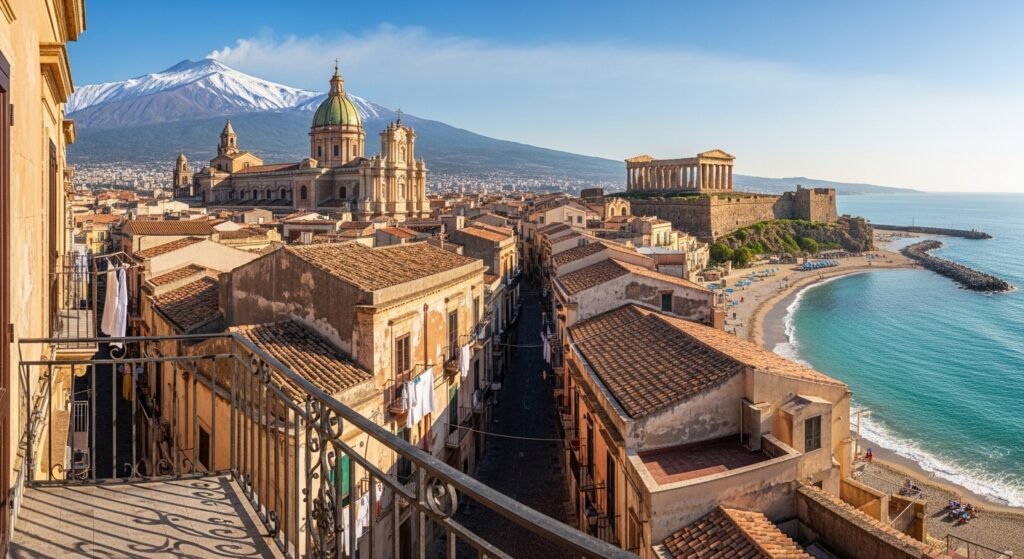
Searching for the best towns in Sicily is like opening a treasure chest filled with gold. This island is the biggest in the Mediterranean and it has a vibe you won’t find anywhere else. You will see Greek temples standing next to Norman palaces. You might eat Arabic-inspired couscous for lunch and classic Italian pasta for dinner. This place has been a crossroads for the Phoenicians, Romans, Arabs, and Greeks for thousands of years. Every civilization left a mark on the buildings and the food. Whether you want to hike a volcano or chill on a white sand beach, this island has it all. It is the perfect spot for anyone who loves history and sunshine. You will feel the warmth of the people and the sun the moment you land.
Introduction to Sicily
Sicily is a place where time seems to slow down just right. It is a mix of old-school charm and wild natural beauty that feels totally real. You can spend your morning exploring a UNESCO World Heritage site and your afternoon swimming in crystal blue water. The island is famous for its diversity which makes it great for adventure seekers and luxury travelers alike. It is not just a place to visit but a place to experience with all your senses. You will hear the loud markets and smell the fresh lemons in the air.
A Crossroads of Civilizations

The history here is deep and it shows up in the most beautiful ways. You will see the impact of different cultures everywhere you look in the towns in Sicily.
- Greek Influence: Some of the best-preserved Greek temples in the world are right here.
- Arab-Norman Heritage: You can find unique architecture that blends Northern European and Middle Eastern styles.
- Spanish Baroque: Many towns were rebuilt with fancy, ornate stone carvings after a big earthquake in 1693.
- Roman Mosaics: Incredible tiled floors from ancient villas tell stories of life from centuries ago.
The Allure of Sicily
People keep coming back to this island because it offers a bit of everything. You can find “off-the-beaten-path” villages where nobody speaks English. You can also visit famous spots that look exactly like the postcards. The travel style here ranges from rugged mountain hiking to sipping wine at a boutique hotel. Sicily is special because it stays authentic even in the popular areas. It is a land of fire and sea that never gets boring.
Planning Your Sicilian Adventure
Getting your trip right takes a little bit of homework. You want to make sure you see the best towns in Sicily without rushing too much. Planning a solid itinerary will help you catch the magic without the stress.
Sicily Travel Map

A great travel map is your best friend when navigating the island. You should look for maps that have over 150 pins for the best spots.
- Food Guides: Pin the best spots for a quick arancini or a long seafood lunch.
- Authentic Eateries: Look for family-run osterias and trattorias.
- Secret Spots: Maps often include remote beaches and hidden hiking trails.
- Local Experiences: Find the best places for an evening drink or “aperitivo”.
When to Visit Sicily
The weather changes how you experience the island quite a bit. Picking the right season is key for your comfort.
- The Golden Windows: Late spring (May and June) and early autumn (September and October) have the best weather.
- Summer Vibes: July and August are hot and very busy with tourists.
- Winter Exploration: You can find great deals and no crowds, but the small islands might be closed.
- City Breaks: Palermo and Catania stay lively and fun all year round.
Trip Duration
How much time you have will decide where you can go. It is a big island so do not try to see it all in two days.
- Short Breaks: Stick to one city like Catania and do a day trip to Mount Etna.
- Standard Itinerary: Spend one to two weeks to see three or four different areas.
- Deep Dive: Take three weeks or more to find the tiny villages and visit the archipelagos.
Getting Around the Island
Transportation is a big part of the adventure in the towns in Sicily. You have a few different options depending on your budget.
- Car Rentals: A rental car is the best way to see the rural areas and hidden beaches.
- Public Transport: Trains and buses work well between major hubs like Palermo and Syracuse.
- Private Drivers: This is a luxury option if you do not want to deal with crazy Italian driving.
- Unique Transport: Use cable cars for hilltop towns or ferries for the islands.
Best Activities and Cultural Experiences
You should do more than just look at buildings while you are here. Get your hands dirty and try the local lifestyle.
Gastronomy and Culinary Tours
Food is basically a religion in this part of Italy. Every town has its own special dish you have to try.
- Palermo Street Food: You must try the fried chickpea fritters called panelle.
- Arancini: These fried rice balls are the perfect snack for a long day of sightseeing.
- Sweet Treats: Do not leave without eating a fresh cannoli filled with sweet ricotta.
- Cooking Classes: Learn to make pasta or tiramisu at a local person’s home.
Volcanic Adventures
Mount Etna is the star of the show on the east coast. It is one of the most active volcanoes in the world.
- Hiking Trails: There are paths for everyone from casual walkers to serious hikers.
- Lava Caves: Explore the underground tubes created by old eruptions.
- Winery Visits: The volcanic soil makes some of the best wine you will ever taste.
- Helicopter Tours: For a real thrill, fly over the craters to see the smoke and fire.
Maritime Excursions
The sea is crystal blue and very inviting. Getting out on a boat is a must-do activity.
- Yachting: Rent a boat in Lampedusa for a fancy lunch on the water.
- Boat Tours: Take a trip to the Egadi islands to see the rocky coastlines.
- Snorkeling: The marine protected areas are full of colorful fish.
Northern Sicily: The Gateway to the Mediterranean
The north coast is where you will find the big city energy and some of the most famous beaches. It is a great starting point for any trip.
Palermo: The Raw and Gritty Capital

Palermo is a wild city that feels totally alive. It is a mix of beautiful old palaces and messy, loud streets.
- Cultural Soul: It captures the true diversity of the island better than anywhere else.
- Ballarò Market: This is the ultimate place to see local life and eat cheap street food.
- Cathedral: The huge church shows off centuries of different architectural styles.
- No Mafia Memorial: A must-visit to understand the local history and struggle for justice.
Mondello: The Beachside Retreat
This is where the people from Palermo go to cool off. It is just a short trip from the city center.
- The Bay: A long, beautiful sandy beach with turquoise water.
- Spaghetti Vongole: The seafood restaurants here serve amazing pasta with fresh clams.
Sant’Elia
This is a tiny coastal town that looks like a postcard. It is perfect if you want to escape the crowds.
- Hidden Harbour: It is a quiet spot with a small beach and colorful boats.
- Accessibility: You can get here easily by train or scooter from Palermo.
Cefalù

Cefalù is a favorite for many travelers because it is so pretty. It sits right on the edge of the sea under a massive rock.
- La Rocca: A steep climb up the crag gives you the best views of the town and sea.
- Old Harbour: This area is perfect for a sunset walk or a nice dinner.
- Beach Life: The sandy beach is great but gets very crowded in the summer.
Western Sicily: Salt Pans and Ancient Hilltops
The west side of the island has a different feel. It is known for its incredible sunsets and ancient history.
Trapani
Trapani is a historic port city with a very cool old town. It is a great base for exploring the whole west coast.
- Old Town Streets: Wander through Corso Vittorio Emanuele for great shopping and vibes.
- Fish Market: See the local catch of the day being sold in the mornings.
- Salt Pans: Visit the nearby areas where they still harvest sea salt by hand.
Erice

Erice sits high on a mountain looking down at the sea. It feels like stepping back into the medieval ages.
- Cable Car: The 10-minute ride up from Trapani offers amazing views.
- Stone Streets: The town is filled with narrow alleyways and ancient stone houses.
- Pastry Heaven: You have to try the Genovesi pastries filled with warm custard.
Riserva Zingaro
This is the first nature reserve in Sicily. It is a paradise for hikers and swimmers.
- Coastal Trails: You can walk for miles along the cliffs with the sea right next to you.
- Hidden Coves: There are many small beaches where you can jump into the clear water.
Castellammare del Golfo e Scopello
These towns are famous for their beauty and history. Scopello has an old tuna fishery that is now a museum and hotel.
- Dramatic Coastline: The rocks and sea here are some of the most beautiful on the island.
- Tuna Tradition: Learn about the old way of life centered around the sea.
Eastern Sicily: Volcanos and Baroque Beauty
The east coast is dominated by Mount Etna. The towns here are often built with dark volcanic stone.
Catania: The City of Lava
Catania is Sicily’s second-largest city. It is vibrant, a bit messy, and very charming.
- Piazza del Duomo: The main square is surrounded by stunning Baroque buildings.
- Lava Stone: Many buildings are made from black lava mixed with white limestone.
- Urban Wineries: You can actually visit wineries right inside the city.
Taormina: The Tourist Jewel
Taormina is the most famous of all the towns in Sicily. It is high on a hill and very fancy.
- Greek Theatre: This ancient theatre is still used for concerts today.
- Isola Bella: A tiny island connected by a thin strip of sand that you can visit.
- Busy Streets: It is very popular, so be ready for crowds and higher prices.
Castelmola
If you want to get even higher than Taormina, go to Castelmola. It is a tiny village with the best views in the region.
- Almond Wine: The town is famous for this sweet local drink.
- Ancient Castle: Explore the ruins of the Norman castle at the top of the town.
Mount Etna

You can see the volcano from almost anywhere on the east coast. It is the heart of the region’s landscape.
- Regional Park: Huge areas of nature for hiking and exploring.
- Active Craters: You can often see smoke or even fire coming from the top.
Southeastern Sicily: The Baroque Triangle
This area was destroyed by an earthquake long ago and rebuilt in a beautiful style called Baroque. These towns in Sicily are famous for their fancy stone carvings and grand churches.
Ortigia & Syracuse

Syracuse was one of the most important cities in the ancient world. Ortigia is the small island that holds the historic center.
- Ancient Ruins: Visit the Neapolis Archaeological Park to see massive Greek and Roman theatres.
- Stunning Piazza: The Piazza del Duomo in Ortigia is one of the most beautiful in Italy.
- Market Life: The local market is a great place to find fresh red prawns and local cheese.
Noto, Modica, and Ragusa
These three towns are a must-see for anyone who loves architecture. They are all UNESCO World Heritage sites.
- Ragusa: You have to see the view of Ragusa Ibla from the higher part of town.
- Modica: Famous for its Aztec-style chocolate that is still made with an ancient recipe.
- Noto: Known as the “stone garden” because of its incredible honey-colored buildings.
Southern Sicily: Temples and Remote Escapes
The south coast is quieter and has some of the best historical sites in the world. It is a land of rolling hills and ancient ruins.
Agrigento
Agrigento is famous for one big reason: the Valley of the Temples. It is one of the most impressive archaeological sites you will ever see.
- Greek Temples: See massive structures that are over 2,000 years old.
- Old Town Girgenti: The medieval center of the city is full of narrow streets and history.
- Dining: Try the local pasta with red prawns after a day of exploring.
Sciacca and Ribera
These towns offer a more authentic, less touristy experience. They are great for seeing real Sicilian life.
- Sciacca: A busy fishing port with colorful houses and great local seafood.
- Ribera: An accidental find for many, it is a quiet spot known for its oranges and slow pace.
The Islands of Sicily: Archipelagos and Beyond
If you have time, you should definitely visit the smaller islands. They each have their own unique personality and landscape.
The Egadi Islands (Isole Egadi)
These islands are right off the coast of Trapani. They are easy to reach and very beautiful.
- Favignana: Rent a bike to reach the famous Cala Rossa beach with its bright blue water.
- Slow Living: These islands are perfect for relaxing and getting away from the modern world.
The Aeolian Islands (Isole Eolie)
These are volcanic islands in the north. Some of them even have active volcanoes you can climb.
- Salina: Famous for its vineyards and the movie “Il Postino”.
- Lipari: The biggest island with a lively town and great shopping.
- Vulcano & Stromboli: Visit these if you want to see bubbling mud or exploding lava.
The Pelagie Islands (Isole Pelagie)
These islands are very far south, closer to Africa than Italy. They have some of the best water in the world.

- Lampedusa: Famous for Rabbit Beach, which is often called the best beach in the world.
- Isolation: A great spot if you really want to unplug and just enjoy the sea.
Critical Perspectives: Places to Reconsider
Not every spot in Sicily is perfect for every traveler. Some popular places might feel like they have lost their soul a little bit.
- Marzamemi: It looks great in photos but the restaurants can be overpriced and poor quality.
- Scala dei Turchi: You can no longer walk on the white cliffs, so it might not be worth the traffic.
- Cefalù: While beautiful, it has become very touristy compared to other towns in Sicily.
The Sicily Wish List (Off the Beaten Path)

There is always more to see on this massive island. Many travelers keep a list of spots to hit on their next trip.
- Portopalo: The very southern tip of the island where two seas meet.
- Castelbuono: A mountain town famous for its medieval castle and manna (a sweet tree sap).
- Enna: A city in the very middle of the island with amazing views from its high fortress.
Ultimate 7-Day Itinerary for Exploring the Best Towns in Sicily
Following a pre-planned route helps you maximize your time on this large island. This seven-day journey focuses on the diverse landscapes of the north and west. You will experience everything from bustling markets to quiet hilltop retreats. It is designed for travelers who want a mix of history and relaxation.
Days 1 to 2: The Vibrant Heart of Palermo and Mondello
Your journey begins in the capital to soak up the intense local culture. Spend your first morning getting lost in the Ballarò or Vucciria markets. These spots are the soul of the city and perfect for lunch. In the afternoon, visit the Palermo Cathedral to see the royal tombs.
On your second day, take a short trip to the beach district of Mondello. The soft sand and shallow blue water are perfect for a morning swim. Enjoy a long seafood lunch at a local trattoria overlooking the bay. Head back to the city center for a sunset walk along the Foro Italico.
- Morning Activity: Taste authentic street food like panelle and arancini at the local markets.
- Cultural Stop: Explore the No Mafia Memorial to learn about the city’s modern history.
- Beach Time: Relax on the white sands of Mondello and try the fresh sea urchin pasta.
- Evening Vibe: Grab a drink in the Kalsa district to see the city come alive at night.
Days 3 to 4: Medieval Magic in Erice and Trapani
Drive west toward the salt-scented air of Trapani and the heights of Erice. Trapani is a historic port town that feels much more local and quiet. Use your first afternoon to wander the narrow streets of the old town. Be sure to visit the fish market early the next morning.
On day four, take the cable car up to the medieval town of Erice. The views from the top reach all the way to the Egadi Islands. Walk through the ancient stone gates and visit the Venus Castle. Do not leave without stopping at a local bakery for a warm custard pastry.
- Scenic Ride: Enjoy the 10-minute cable car journey from Trapani up to the mountain peak.
- Historic Sites: Visit the medieval churches and the ruins of the Norman castle in Erice.
- Local Flavors: Sample the famous almond biscuits and Genovesi pastries in the hilltop shops.
- Nature Watch: Drive to the nearby salt pans to see the historic windmills at sunset.
Days 5 to 7: Coastal Beauty in Cefalù and San Vito Lo Capo
The final leg of your trip brings you back toward the stunning northern coastline. Cefalù is a town that combines a beautiful beach with a massive mountain backdrop. Spend day five wandering the medieval streets and visiting the Norman Cathedral. If you feel energetic, hike up La Rocca for the best views in town.
On day six, head toward the crystal-clear waters of San Vito Lo Capo. This town is famous for its long sandy beach and its annual couscous festival. It is the perfect place to slow down and enjoy the Mediterranean sun. Spend your last day exploring the nearby Riserva dello Zingaro for a scenic hike.
- Coastal Hike: Follow the trails in Riserva dello Zingaro to find hidden coves and clear water.
- Sunset Views: Watch the sun go down over the old harbor in Cefalù with a gelato.
- Beach Relaxation: Spend a full day lounging on the famous sands of San Vito Lo Capo.
- Farewell Dinner: Enjoy a final Sicilian feast featuring fresh pasta alla Norma and local wine.
Final Thoughts on Sicilian Travel
Sicily is a place that will stay in your heart long after you leave. It is not just about the towns in Sicily but about the feeling of the island. You will learn to love the chaos of the cities and the peace of the mountains. Whether you are eating gelato for breakfast or exploring 2,000-year-old ruins, it is an adventure. Take your time and talk to the locals whenever you can. They are proud of their land and usually happy to share a tip or a story.
Frequently Asked Questions About Towns in Sicily
Is it necessary to tip at restaurants in Sicilian towns?
Tipping is not mandatory in Italy, but it is always appreciated. Most restaurants include a small cover charge called a coperto on the bill. If the service was great, leaving a few extra euros is a nice gesture.
What are the ZTL zones I see in many historical centers?
ZTL stands for Zona Traffico Limitato, which means restricted traffic zones. These are areas where only residents with permits can drive. If you enter these zones in a rental car, you will likely receive a heavy fine through the mail.
Do I need to carry cash when visiting smaller villages?
While big cities and tourist spots accept cards, many small shops and trattorias in rural towns in Sicily prefer cash. It is always smart to keep some euros on you for small purchases like coffee or bus tickets.
What is the typical dress code for visiting churches?
When entering religious sites, you should dress modestly. This means covering your shoulders and knees. Many churches provide paper shawls, but it is better to carry a light scarf in your bag just in case.
How do shop hours work in the smaller towns?
Many businesses observe a midday break called a riposo. Shops often close around 1:00 PM and reopen at 4:00 PM or 5:00 PM. Plan your shopping and errands for the morning or late evening.
Is Sicily a good destination for families with young children?
Sicily is incredibly family-oriented, and children are welcomed almost everywhere. Most restaurants are happy to accommodate kids, and the sandy beaches in the south are perfect for little ones.
What are the most common public holidays that might affect travel?
Major holidays include Ferragosto on August 15th and various local Saint’s days. During these times, shops may close and public transport schedules might be limited. Each town has its own specific feast day celebration.
Are there many mosquitoes in the coastal towns?
Mosquitoes can be quite active during the summer months, especially near water or in rural areas. It is a good idea to bring some repellent for the evenings if you plan to eat outdoors.
Is it easy to find vegetarian or vegan food in Sicily?
Sicilian cuisine is naturally vegetable-heavy with dishes like pasta alla Norma or caponata. While dedicated vegan restaurants are rare in small towns, most chefs can easily adapt dishes with fresh produce.
Do I need an International Driving Permit to rent a car?
If you have a license from outside the European Union, you generally need an International Driving Permit. Check with your rental agency before you arrive to ensure you have the right paperwork.
What should I do if I encounter a stray dog or cat?
Stray animals are common in many towns in Sicily. Most are friendly and looked after by the local community. It is best to admire them from a distance and avoid feeding them scraps at the table.
How does the garbage disposal system work for tourists?
Many towns use a door-to-door recycling system with specific days for different materials. If you are staying in an Airbnb, check the calendar provided by your host to ensure you put the right bin out.
Are public restrooms easy to find in the city centers?
Public toilets are not very common, so it is best to use the facilities at a cafe or bar. It is polite to buy a small item like a coffee or water before asking to use the restroom.
What is the “Coperto” charge on my restaurant bill?
The coperto is a standard per-person fee for the use of the table, linens, and bread. It is usually between one and three euros and is a normal part of the dining culture.
Is English widely spoken in the rural interior of the island?
In remote mountain towns, English is much less common than on the coast. Learning a few basic Italian phrases will help you navigate menus and ask for simple directions.
Can I visit the towns in Sicily using only a bicycle?
While possible, Sicily is very mountainous and the roads can be narrow with fast traffic. Only experienced cyclists should attempt long-distance travel, though many coastal towns are great for casual bike rentals.
What is the best way to handle the summer heat?
The sun is strongest between 11:00 AM and 4:00 PM. Do like the locals and stay indoors during the peak heat, drink plenty of water, and save your sightseeing for the early morning or evening.
Are there laundromats available in most Sicilian towns?
Self-service laundromats are becoming more common in larger towns and cities. In smaller villages, you might need to look for a tintoria, which is a professional dry cleaner and laundry service.
Is it okay to take photos of people in the local markets?
Most people in the markets are happy to be photographed, but it is always polite to ask first. A simple smile and a nod toward your camera is usually enough to get a “yes” or “no.”