
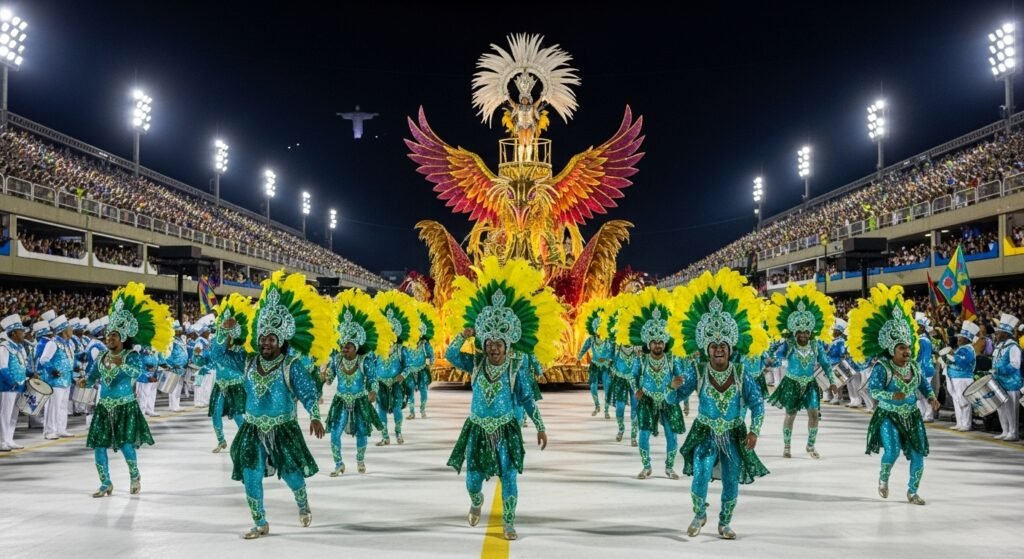
Carnival is the biggest party on the planet. This epic festival brings millions of people to the streets of Brazil every single year. It is a wild time full of music, dancing, and super bright costumes. If you want to see the real soul of Brazil, you have to experience this magic. From the huge parades in Rio to the small street parties, the energy is just unreal.
Understanding the Essence of Carnival
The word itself comes from a very old tradition. It comes from the Latin phrase carnem levare which means to remove meat. This was a way for people to have one last big feast before a long period of fasting. Now it has grown into a massive celebration that shows off the heart of the country.
Etymology and Meaning
- Removal of Meat: The name reminds us that this started as a religious event.
- Pre-Lent Feast: It is a final chance for folks to enjoy food and fun.
- Global Brand: Today, the word stands for the biggest street party in the world.
National Significance
In Brazil, they say the year only starts after the festival is over. Everything stops so people can focus on the music and the dance. Offices close down and the beaches get totally packed with happy crowds. It is a national holiday that everyone looks forward to for months.
A Cultural Melting Pot
The party is a mix of many different cultures and people. It blends European traditions with the powerful sounds of African drumming. You also see many Indigenous folk stories being told through the dances. This mix makes the celebration unique and very special to the local people.
The Historical Evolution of the Festival
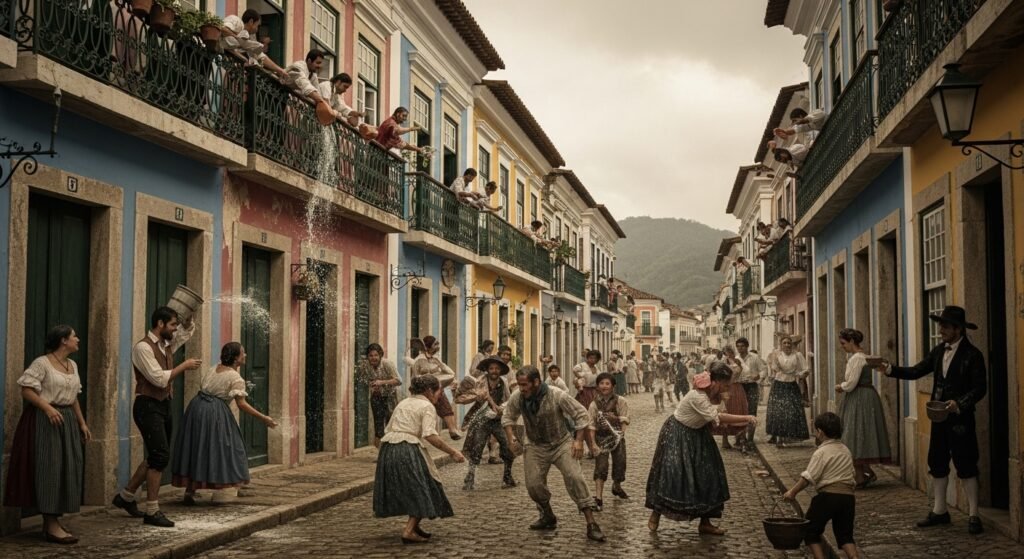
The story of the festival is quite long and interesting. It did not always look like it does today with the huge floats. It started much smaller and much messier in the city streets. Over time, it became more organized and much more beautiful to watch.
European Roots
Portuguese settlers brought the first version of the party to Brazil. It was called Entrudo and it was a bit of a chaotic mess. People would run around throwing flour and water at each other. It was a loud and wild way to celebrate in the public squares.
African Influence
African culture changed everything for the better in the 1800s. Enslaved people brought their own rhythms and drum beats to the party. This led to the birth of the Samba, which is now the main sound of the event. These rhythms added a new level of energy and soul to the festivities.
The Rise of the Blocos
The first official street bands were called blocos. They started showing up in the late 1800s in the city of Rio. These groups allowed regular people to join in the fun and march together. It took the party out of private clubs and into the open air.
Modern Legalization
For a long time, the government was not sure about these loud street parties. Eventually, they realized it was a huge part of the national identity. They started making rules and building special places for the parades. Now, the government helps fund the schools to make sure the show goes on.
When and Why Brazilians Celebrate
The timing of the event is not the same every single year. It moves around based on the church calendar. This keeps things exciting because it feels a little different each time.
The Religious Connection
Even though it is a wild party, it is still a Catholic event. It leads right up to Ash Wednesday, which is the start of Lent. People party hard so they can be ready for a quiet time of prayer later. It is all about balance between having fun and being serious.
Timing and Seasonality
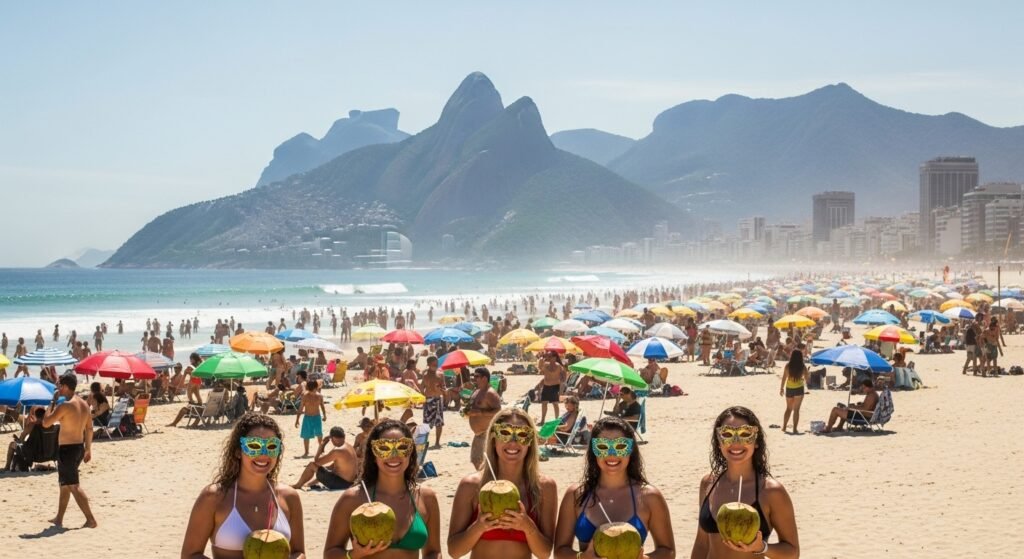
The festival usually happens in February or early March. This is the peak of the summer season in the southern hemisphere. The weather is hot and sunny, which is perfect for dancing outside. It is the best time for tourists to visit the beautiful coastlines.
Duration
The official celebration lasts for about five days. It kicks off on the Friday before the big parade. However, many cities start their local parties weeks before the official date. It all ends on Ash Wednesday at noon when everyone goes home to rest.
The Two Main Pillars of Celebration: Sambadromes vs. Streets
There are two very different ways to experience the fun. You can choose a high-end stadium show or a free street party. Both are amazing in their own way.
The Stadium Experience (The Sambadrome)
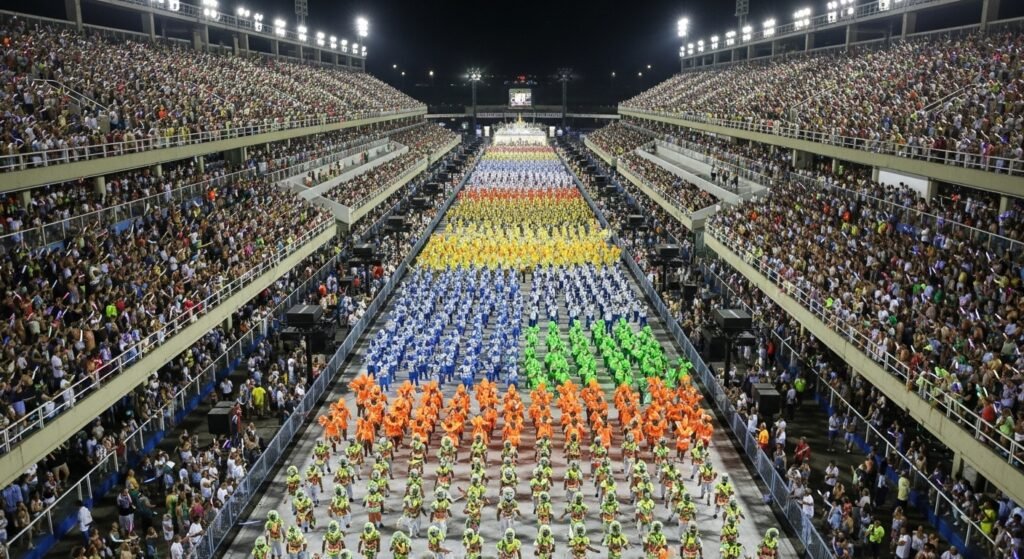
The Sambadrome is a huge arena built just for the Samba parades. It is like a runway for the most beautiful floats you have ever seen. Thousands of people sit in the stands to watch the competition. It is a very organized and professional show that goes on all night.
The Street Experience (Street Carnival)
The street party is where the “real” heart of the festival lives. These are free for everyone to join and they happen all over the city. You just put on a costume and follow the music. It is much more casual and spontaneous than the stadium parades.
Inside the World of Samba Schools (Escolas de Samba)
Samba schools are not real schools with desks and books. They are social clubs where people work all year on their parade. These groups are very important to the local neighborhoods.
Organization
- Community Pride: Each school represents a specific part of the city.
- Year-Round Work: Members spend months building floats and sewing costumes.
- Fundraising: They hold events all year to pay for their massive shows.
The Competitive Parade
The parade is actually a very serious competition with judges. Each school is scored on many different things.
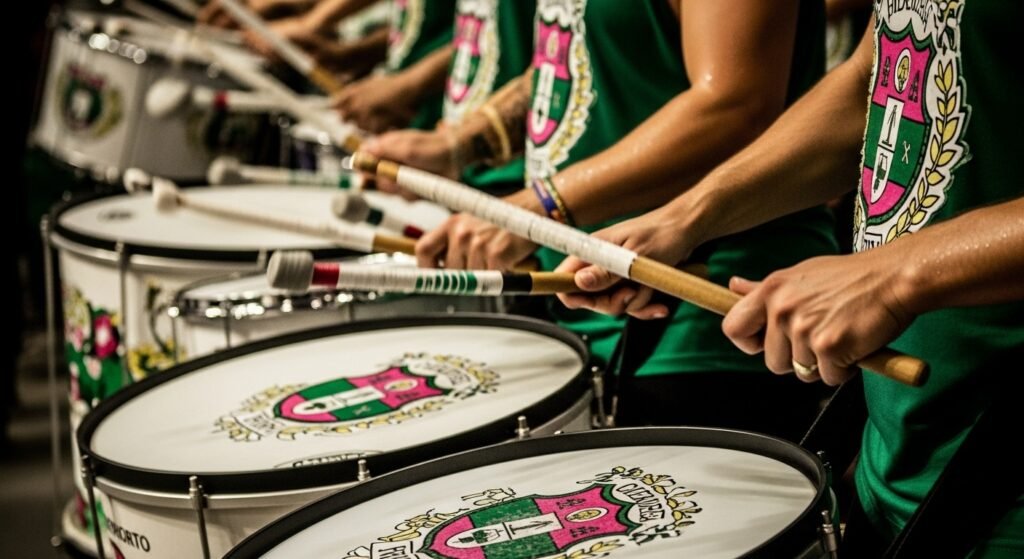
- Comissão de Frente: This is the first group that sets the mood.
- Samba Enredo: This is the special song written just for that year.
- Bateria: This is the massive drum group that keeps the rhythm going.
Floats and Costumes
The floats are like moving buildings with lights and colors. Some are so big that they barely fit through the streets. The dancers wear costumes with huge feathers and lots of glitter. These outfits can cost a lot of money to make.
Social Commentary
Many schools use their show to talk about important issues. They might tell stories about history or speak out against inequality. It is a way for people to share their voice with the whole world. This adds a deeper meaning to all the music and dancing.
Exploring the Street Carnival (Blocos and Beyond)
The street scene is where you can find the most diverse types of fun. No two street parties are exactly the same.
Blocos de Rua
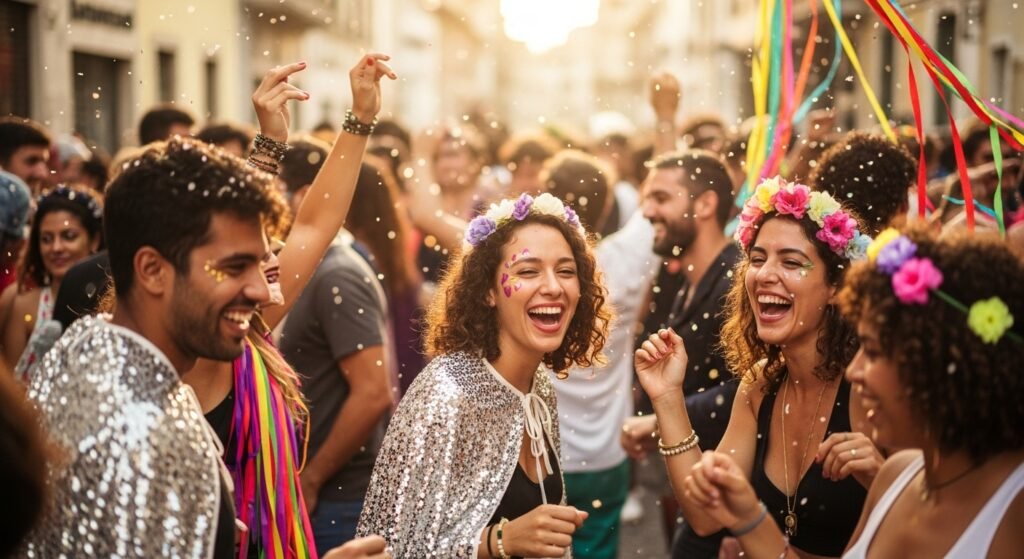
These are the local bands that lead the crowds through the city. Some are very small and some have over a million people. You can find them in every single neighborhood during the festival. They are the best way to feel like a local.
Trios Elétricos
- Sound Trucks: These are massive trucks with huge speakers on top.
- Live Bands: Famous singers perform on top of the truck as it moves.
- Following the Music: People dance behind the truck for miles and miles.
Diversity of Music Genres
While Samba is the most famous, other sounds are also very big.
- Axé: This is a high-energy sound from the state of Bahia.
- Frevo: People use colorful umbrellas to dance to this fast music.
- Reggae and MPB: You can find almost any style of music in the streets.
Blocos de Sujo
These are the more traditional and wild street parties. People often dress in funny or strange outfits. It is a time for everyone to act a little silly and have a laugh. It is all about letting go and having a great time with friends.
Regional Variations: How the Party Changes Across Brazil
Every part of Brazil has its own special way of doing things. You will see different dances and hear different songs depending on where you go.
Rio de Janeiro
Rio is the most famous place for the festival in the world. It has the biggest stadium and the most glamour. The city turns into one giant party for five days straight. It can be very crowded, but it is also very exciting.
Salvador de Bahia
Salvador is known for having the “real” soul of the party. They focus more on the street trucks than on the stadium shows. The music there has a very strong African influence. Many people say it is the most fun place to be for the street scene.
Recife and Olinda
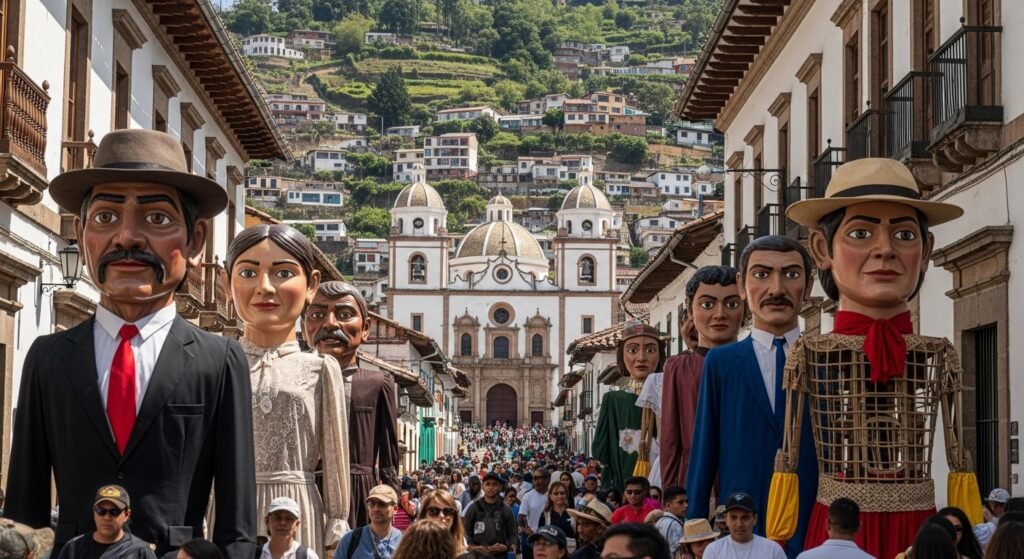
- Giant Puppets: These cities are famous for huge dolls that dance in the streets.
- Frevo Dance: You will see people doing amazing acrobatic moves with umbrellas.
- World Records: They host the biggest street parade in the whole world.
São Paulo
São Paulo has a massive parade that is just as big as Rio’s. It is a very organized event with amazing talent. Since it is not on the coast, it is more about the city vibe. It is perfect for people who love a big urban celebration.
Northern States (The Amazon)
In the north, they celebrate something called Carnaboi. It mixes the party with local folklore about a magical bull. They tell stories about the forest and the indigenous people. It is a very mystical and beautiful experience.
Southern States
The south does things a little bit differently. You can find rock music festivals instead of just samba. One of the most famous events is the Zombie Walk. Thousands of people dress up like the living dead and march together.
What to Expect: A Visual and Sensory Guide
Your first time at the festival will be a shock to the senses. There is so much to see and hear at every turn.
The Ambiance
The air feels electric with excitement and joy. You will see people of all ages dancing together. The bars and restaurants are always full of happy energy. It feels like the whole world is smiling at once.
Visuals
- Bright Colors: Everything is decorated in neon and primary colors.
- Masks: Many people wear mysterious and beautiful masks.
- Glitter: You will find glitter everywhere—on the streets and on the people.
Sounds
The sound of the drums is something you will feel in your chest. Thousands of people sing the same songs at the top of their lungs. The roar of the crowd in the Sambadrome is incredibly loud and powerful. It is a symphony of pure happiness.
Essential Guide for First-Time Attendees (Newbies)
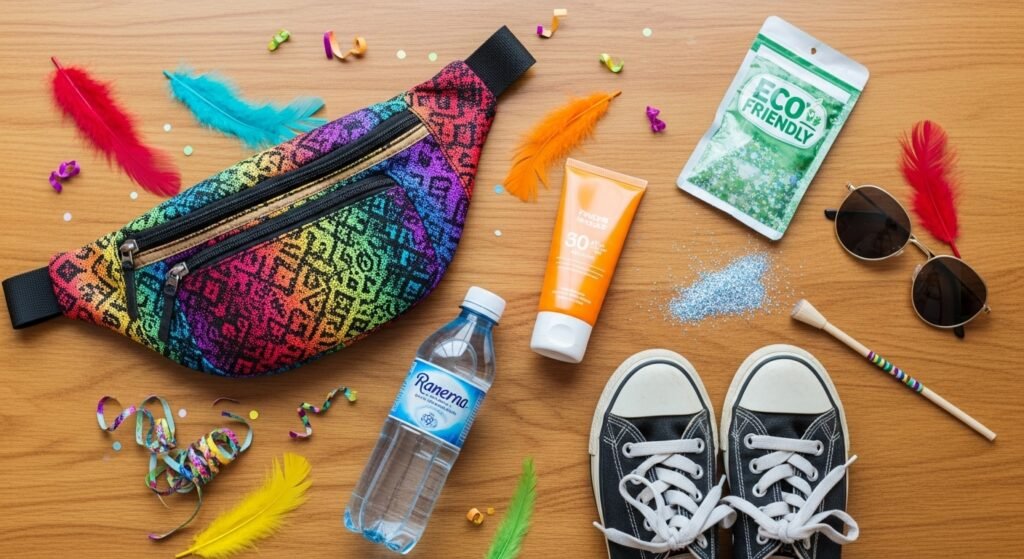
Going to the festival for the first time takes a little bit of planning. You want to make sure you stay safe and have the best time possible.
Planning and Logistics
- Book Early: Hotels and flights get filled up months in advance.
- Tickets: Buy your stadium seats from official websites only.
- Pick Your Party: Choose which street groups you want to see before you go.
Health and Comfort
It is very hot during the Brazilian summer. You need to take care of your body so you don’t get tired.
- Hydration: Drink lots of water between your fun drinks.
- Sun Protection: Wear high-quality sunscreen every single day.
- Footwear: Wear broken-in shoes that won’t give you blisters.
Dress Code and Costumes
You should dress up as much as you can! It is a time to be creative.
- Casual Clothes: Wear light fabrics that can handle the heat.
- Funny Costumes: Don’t be afraid to wear something silly or bright.
- Official Gear: If you join a parade, you must wear the school’s outfit.
Safety and Practical Tips
Brazil is a fun place, but you still need to be smart. Large crowds can attract pickpockets.
Personal Security
- Go in Groups: It is always safer and more fun with friends.
- Leave Valuables: Don’t bring expensive jewelry or watches to the streets.
- Money Management: Only carry the cash you need for that day.
Smart Storage
Don’t put your phone in your back pocket. Use a fanny pack or a pouch under your shirt. This keeps your important things close to your body. It gives you peace of mind while you are dancing.
Transportation
The streets can be very confusing during the party. Many roads will be closed for the parades. Use official taxis or apps like Uber to get around safely. Try to avoid walking alone in quiet areas at night.
The “Carnival Chords”
In some cities, they use big ropes to separate the crowds. You can pay to stay inside the rope for more space and safety. People inside the ropes are usually more protected from the crush of the crowd. It is a good option if you want a little more room to move.
Enhancing the Experience: Language and Integration
You don’t need to speak the language to have fun, but it helps. Knowing a few words makes the locals very happy.
The Value of Portuguese
If you learn some basic Portuguese, you will have a much better time. You can talk to the vendors and make new friends. It helps you understand the lyrics of the beautiful samba songs. People will treat you more like a friend than a tourist.
Participating vs. Watching
There is a big difference between watching the parade and being in it. Watching is relaxing and very beautiful. Being in the parade is a life-changing rush of energy. If you have the chance, try to join a school for a night.
Deep Dive into Carnival Costume Requirements and Traditions
Costumes are the visual language of the Brazilian Carnival. While the spirit of dressing up is universal, the actual requirements and styles change drastically depending on whether you are marching in a stadium or dancing in a historic street square. Understanding these nuances is essential for anyone wanting to truly participate rather than just watch.
Costume Requirements for the Rio and São Paulo Sambadromes
In the major Sambadromes, costumes are not just for fun; they are a requirement for entry onto the parade floor. If you wish to march with a Samba School, you cannot simply wear what you want.
- Official School Costumes (Fantasias): Each wing of a Samba school has a specific costume that represents a part of the year’s theme. You must purchase the specific “fantasia” for the wing you are joining.
- Structural Integrity: These costumes are often massive and heavy. They involve wire frames, large backpieces (costeiros), and tall headpieces. You must ensure you can carry the weight for the full duration of the parade (usually about 60 to 90 minutes of constant movement).
- Strict Uniformity: In the competition, schools lose points if a member is missing a part of their costume (like a hat or a glove). When you buy a costume, you are committing to wearing every single piece exactly as instructed.
- Shoes and Comfort: While the costume is provided, you often need to provide your own shoes. It is highly recommended to wear white sneakers or specialized dance shoes that match the outfit, as you will be walking and dancing on hard concrete.
The Freestyle Tradition of the Street Blocos
Street Carnival is the complete opposite of the Sambadrome when it comes to rules. Here, the only requirement is imagination and a sense of humor.
- Creative Liberty: There are no official requirements. You will see people dressed as anything from superheroes and pirates to inanimate objects like beer cans or giant sunflowers.
- Cross-Dressing Traditions: A very common tradition in street blocos (especially “Blocos de Sujo”) is men dressing in colorful women’s clothing, wigs, and makeup. It is a lighthearted, satirical tradition focused on breaking social norms for a day.
- Group Themes: Many groups of friends choose a “uniform” costume so they don’t lose each other in the crowd. For example, a group of ten friends might all dress as lifeguards or 1920s flappers.
- Minimalist Costumes: Because of the intense heat, many people opt for “adereços” (accessories) rather than full suits. This might include just a sequined headband, a tutu, or a pair of wings worn over a swimsuit or light shorts.
Traditional Costume Requirements in Recife and Olinda
The northeast of Brazil keeps tradition alive through specific characters that have been part of the culture for decades.
- The Giant Dolls (Bonecos de Olinda): While tourists don’t usually wear these, the operators of these 10-foot-tall puppets must follow strict traditional designs. They represent famous celebrities, politicians, or folk heroes.
- Frevo Outfits: If you want to dance the Frevo, the costume requirements are functional. You need high-waisted, flexible trousers or skirts and a small, colorful parasol (umbrella). The parasol is a required “prop” used for balance during the acrobatic dance moves.
- Maracatu Royalty: In the Maracatu parades, participants wear heavy, colonial-style robes, capes, and crowns to represent the “King and Queen of Congo.” These are deeply cultural and usually reserved for local community members.
Salvador’s Abadá System
Salvador de Bahia has a unique costume requirement for those who want to dance inside the “ropes” of the major sound trucks (Trios Elétricos).
- The Abadá (Tunic): To enter the private area surrounding a truck, you must purchase an “Abadá.” This is a colorful, branded tunic or shirt that acts as your ticket.
- Customization: It is a huge tradition for participants to “customize” their Abadás. People cut the sleeves, add sequins, lace, or beads, and tailor the shirts to fit their personal style while keeping the official logo visible.
- Security Function: The Abadá is a requirement for safety. Security guards at the ropes will only let you into the protected area if you are wearing the correct shirt for that specific band or day.
Practical Costume Considerations for All Cities
No matter which city you are in, there are a few “unspoken” requirements for a successful Carnival outfit.
- Glitter Sustainability: Glitter is a requirement for the “look,” but many cities now request that tourists use “bio-glitter” (biodegradable) to protect the ocean and city drainage systems.
- The “Discard” Rule: Do not wear anything that you are not prepared to lose or throw away. Between the sweat, spilled drinks, and the sheer volume of people, costumes rarely survive the week in perfect condition.
- Breathability: The most important requirement is heat management. Choose fabrics like cotton or mesh. Avoid heavy plastics or furs that can lead to heat exhaustion in the 90-degree (Fahrenheit) Brazilian summer.
Final Reflections on the Carnival Spirit
At its heart, this festival is about more than just a party. It is a celebration of life and human spirit.
A Time for Reflection
Even with all the noise, it is a time to look back on history. People celebrate their ancestors and their hard work. It shows the strength and resilience of the Brazilian people. It is a moment of deep national pride.
Universal Appeal
This is why people travel from every corner of the earth to be there. The joy is infectious and it brings everyone together. No matter where you are from, you can feel the rhythm. It is truly the greatest show on earth.
| Feature | Rio de Janeiro | Salvador | Recife/Olinda |
| Main Style | Sambadrome Parades | Street Sound Trucks | Giant Puppets & Frevo |
| Music Type | Classic Samba | Axé & Afro-Brazilian | Frevo & Maracatu |
| Crowd Size | Massive & Global | Huge & High Energy | Traditional & Local |
| Vibe | Glamorous | Non-stop Dancing | Culturally Rich |
FAQs About Brazil’s Carnival
If you are planning to join the world’s biggest party, you probably have a few more questions. Here are some common things travelers ask that will help you get ready for the time of your life.
What is the legal drinking age in Brazil during the festival?
The legal drinking age in Brazil is 18 years old. While the festival is very wild, you still need to show an ID if you look young when buying drinks at bars or supermarkets. It is always a good idea to have a photo of your passport on your phone just in case.
Do I need a special visa to visit Brazil for the party?
This depends on where you are from. Many countries like the USA, Canada, and Australia may need a tourist visa to enter. You should check the official Brazilian government website at least two months before you fly. Rules can change fast, so stay updated.
Can I march in a Samba School parade if I am a tourist?
Yes, you totally can! Most schools in Rio and São Paulo sell costumes to foreigners so they can join the parade. You don’t have to be a professional dancer, but you must wear the official outfit and follow the school’s rules on the track.
Is it hard to find a bathroom during the street parties?
It can be a bit of a challenge because the crowds are so big. The city puts out thousands of portable toilets called “químicos” along the parade routes. It is best to go whenever you see a short line rather than waiting until it is an emergency.
What is the best way to handle money without getting robbed?
Most street vendors now take credit cards or digital payments like Pix. However, it is smart to carry a small amount of cash in low bills for water or quick snacks. Keep your main cards in a hidden pouch and only bring one ID out with you.
Are there any specific vaccinations I need before going?
Most health experts recommend having a yellow fever vaccine if you plan to visit the Amazon or rural areas. It is also smart to be up to date on your routine shots like Hepatitis A and B. Check with a travel clinic at least six weeks before your trip starts.
How much do costumes usually cost if I want to join a parade?
A costume for a big Samba School usually costs between 200 and 500 dollars. This price includes the outfit and the right to march in the Sambadrome. The more famous the school, the more expensive the outfit will be.
What happens if it rains during the outdoor celebrations?
The party never stops for rain! Brazilians call it “Samba under the rain.” The parades in the Sambadrome and the street blocos will continue even if there is a summer storm. Just bring a cheap plastic poncho and keep dancing.
Can I bring my own drinks to the street parties?
Yes, you can bring your own cooler or backpack with drinks to the public blocos. However, many people prefer to buy from the local street vendors to keep their hands free for dancing. Just remember that glass bottles are often discouraged for safety reasons.
Is it easy to find vegetarian or vegan food during the festival?
In big cities like Rio and São Paulo, you will find plenty of vegan options in restaurants. However, street food is mostly meat-based, like grilled chicken hearts or beef skewers. Look for “pão de queijo” (cheese bread) or acai bowls if you don’t eat meat.
Are the banks and ATMs open during the holiday?
Most physical bank branches close down for the main days of the festival. ATMs inside supermarkets or malls usually stay open and active. It is a very good idea to take out enough cash before the Friday the party starts.
What is the etiquette for kissing strangers at Carnival?
It is very common for people to kiss strangers during the street parties in Brazil. It is seen as part of the fun and the “spirit of love” during the event. However, “no” always means no, and you should always be respectful of people’s boundaries.
Do I need to book a seat at the Sambadrome or can I just stand?
The Sambadrome has different types of tickets. “Arquibancadas” are the high stands where you can stand and dance. “Frisas” are small open boxes close to the track where you get a chair. You must have a ticket for a specific section to enter the arena.
Is the tap water safe to drink in Brazil?
It is generally better to stick to bottled or filtered water while you are there. Most hotels provide filtered water for their guests. When you are at the street parties, always buy sealed bottles of water from vendors to stay safe.
How do I know which street party is happening where?
There are mobile apps like “Blocos de Rua” that list every single party in the city. They show the start time, the location, and the type of music. You can download these for free and plan your whole week on your phone.
Can I wear a costume that is culturally sensitive?
Brazilians are very open-minded, but it is always best to avoid costumes that might be offensive. Stick to fun things like superheroes, animals, or bright glittery outfits. Avoid anything that mocks a specific religion or group of people.
What is the “Champion’s Parade” and when is it?
The Champion’s Parade happens on the Saturday after the festival officially ends. The top six Samba Schools return to the Sambadrome for one last show. It is a great way to see the best performances without the stress of the competition.
Is the festival loud enough to hurt my ears?
Yes, the drum sections and the big sound trucks are extremely loud. If you have sensitive ears or are bringing children, you should definitely bring earplugs. The noise can stay at a high level for several hours at a time.
How do people get home after the parties end late at night?
The subway system usually runs 24 hours a day during the main festival days. It is the fastest and safest way to move around. Taxis are also available, but the traffic can be very bad, so the train is often better.
What is the most famous song I should learn?
You should definitely look up “Aquarela do Brasil” or any “Marchinha” song. These are the classic tunes that everyone knows the words to. Even if you just hum along, the locals will love that you are trying to join in!