
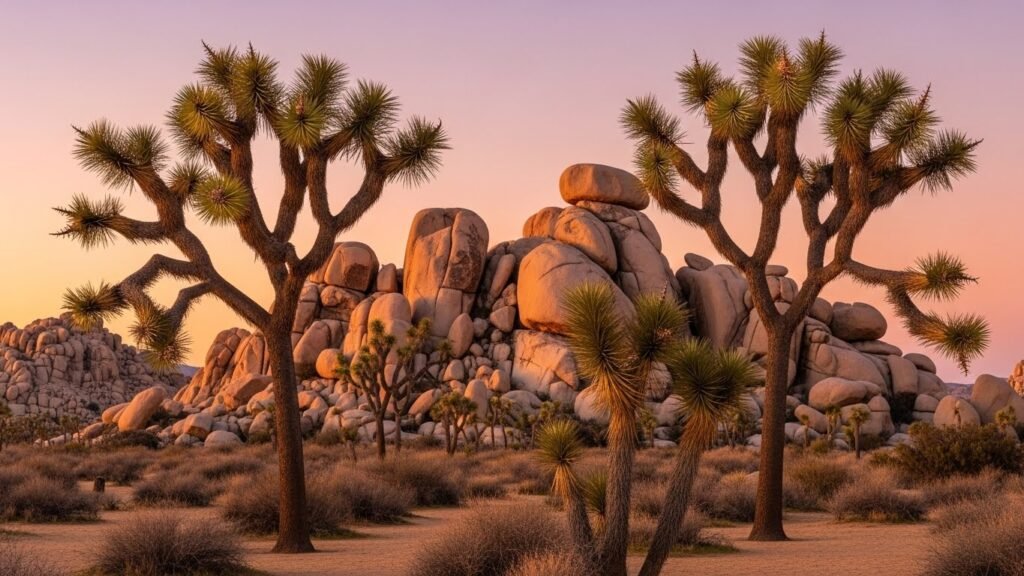
Joshua Tree National Park is a place like no other on Earth. Located in Southern California, this park is a mix of two deserts. You have the high Mojave Desert and the lower Colorado Desert coming together. This creates a weird and wonderful landscape that looks like something out of a book. People love the rock formations and the funky trees that grow here. It is a huge park covering nearly 800,000 acres of land. You will find tons of space to explore and hike. The park has a rich history that goes back a long way. The Serrano people lived here first and have a deep connection to the land. Later, miners and ranchers moved in during the early 1900s. You can still see what they left behind on many joshua tree hikes today.
Best Time of Year for Hiking in Joshua Tree
Picking the right time to visit is super important for your trip. The desert can be a tough place if you go at the wrong time. Most people think the peak season is the best time to see the park. This starts in October and lasts until April or May. During these months, the weather is nice and cool for walking. You can do long joshua tree hikes without getting too tired.
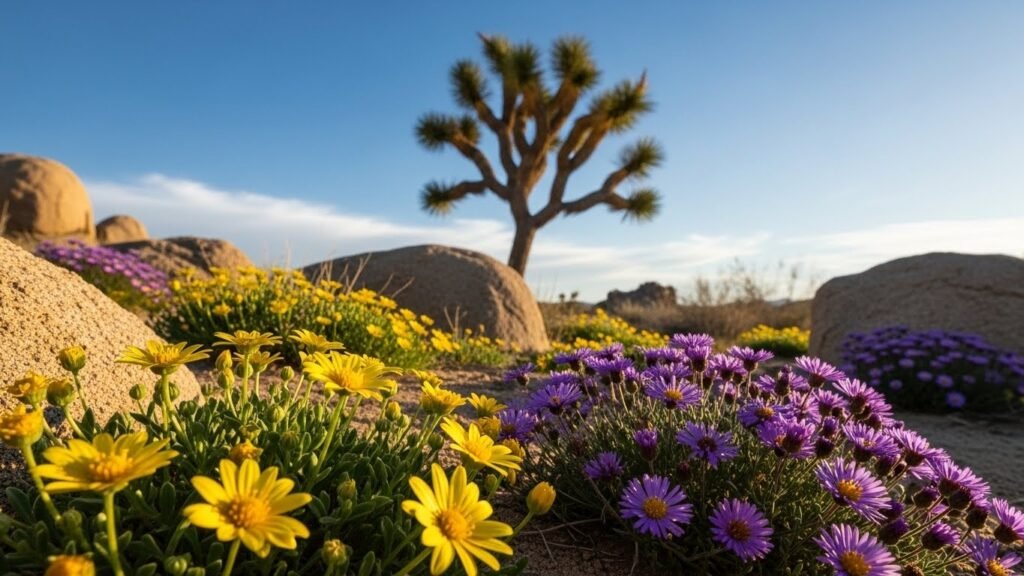
March and April are the busiest months for a good reason. This is when the spring wildflowers start to pop up everywhere. You will see bright colors all over the desert floor. It makes the trails look like a painting. This happens mostly in the lower parts of the park first.
Summer is a whole different story and can be very dangerous. From June to September, the heat is often over 100 degrees. Park rangers tell people not to hike during the day in summer. There is almost no shade to hide from the sun. If you visit then, you must be very careful.
Winter is actually a great time to visit if you pack right. The days are usually sunny and perfect for a nature walk. However, the nights get freezing cold very fast. Windy days can also make it feel much chillier than it is. Just bring some warm clothes and you will be fine.
Essential Safety and Preparation Tips
You need to be ready before you hit the trail in the desert. This place is beautiful but it can be unforgiving if you forget the basics. Preparation is the key to having a fun and safe time.
- Water Requirements: There is no water to buy or find inside the park. You must bring every drop you need with you. A good rule is to pack 1-2 gallons for each person every day.
- The Half-Way Rule: This is a simple trick to stay safe on joshua tree hikes. When half of your water is gone, you must turn back. Do not wait until you are almost out of water to start heading home.
- Navigation and Connectivity: Cell service is almost non-existent in the desert. You should download offline maps like GAIA GPS before you arrive. A paper map from the visitor center is also a smart backup.
- Vehicle Preparation: Make sure your gas tank is full before you enter. There are no gas stations once you are inside the park gates. It is a long walk back if you run out of fuel.
- Sun Protection: The sun is very strong even on cloudy days. Wear a hat and sunglasses to protect your face and eyes. Use plenty of sunscreen and reapply it often.
- The Eleven Essentials: Always carry a small pack with survival gear. This includes extra food, a first-aid kit, and a light. A whistle and a space blanket are also good to have.
Entry Costs and Park Access
Getting into the park is pretty easy but there are some costs. You can pay at the gate or buy a pass online. Most people enter through the north or south entrances.
A 7-day vehicle pass costs about $30 for your whole group. If you live nearby, a $55 annual pass is a great deal. For those who love all parks, the America the Beautiful pass is the best. It costs $82 and gets you into every national park for a year.
Joshua Tree is a popular spot because it is close to big cities. It is only 45 minutes from Palm Springs. If you are coming from San Diego, expect a 2 hour and 45 minute drive. From Los Angeles, it takes about 2.5 hours if traffic is light. Weekends can be much busier, so plan for extra time.
Camping in Joshua Tree National Park
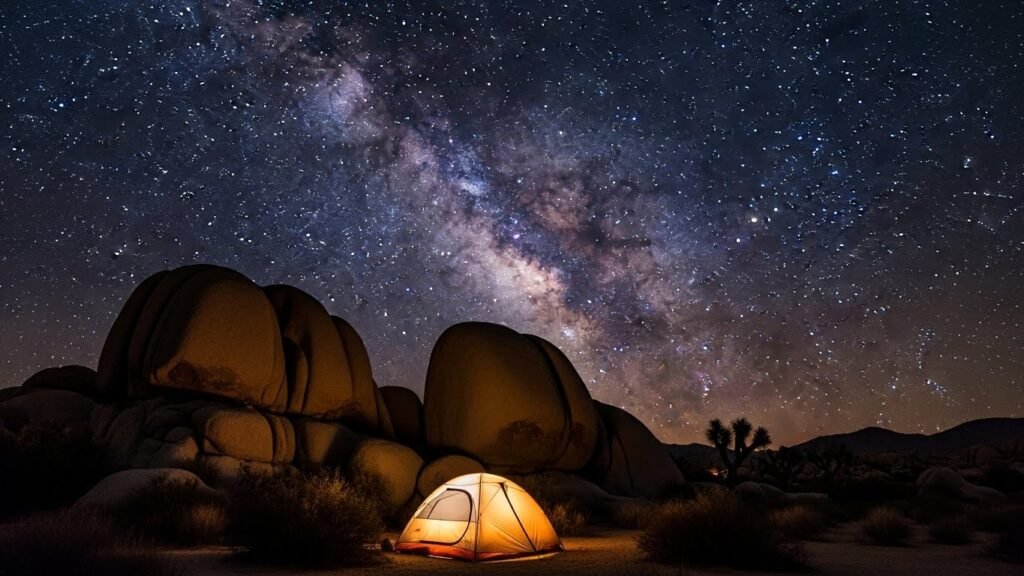
Sleeping under the stars is a must-do experience here. Camping lets you be the first person on the trail in the morning. It also gives you the best views of the night sky. The park is known for having some of the darkest skies around.
Most campsites require you to book a spot weeks or months in advance. There are a few spots that are first-come, first-serve, but they fill up fast. It costs around $20 to $25 per night to camp.
Popular Campgrounds
- Jumbo Rocks: This is the most famous spot in the park. You get to camp right next to giant boulders. It is centrally located and great for families.
- Hidden Valley: This spot is perfect for those who want to hike or climb. It is very close to some of the best joshua tree hikes.
- Black Rock: You will find more trees and bushes in this area. It sits at a higher elevation so it stays a bit cooler.
- Cottonwood: This is in the south part of the park. It is the best place to go if you want to avoid crowds.
- Other Options: Ryan, Belle, and White Tank are smaller campgrounds. They offer a quieter vibe for those who want peace.
Rules for Dogs in the Park
Many people want to bring their furry friends on their desert trip. However, you need to know the rules before you go. National parks have strict laws about where pets can go.
Dogs are not allowed on any of the dirt hiking trails. This is to keep the local wildlife safe and the trails clean. You can have your dog in your campsite or at a picnic area. They are also allowed on any of the paved roads or unpaved dirt roads.
If you want to walk with your pet, try the Oasis of Mara. It is a paved path where dogs are welcome. Keys View is another paved spot with great views for you and your pup. Never leave your dog in the car because it gets way too hot.
Easy and Beginner-Friendly Hikes
If you are new to hiking or have kids, these trails are for you. They are short and flat but still show off the best of the park.
Oasis of Mara Nature Trail
This is a very short 0.5-mile loop that is paved. It starts right behind the visitor center in Twentynine Palms. You will see a beautiful oasis with tall palm trees. It has a lot of history regarding the Serrano people.
Cholla Cactus Garden Trail
This 0.25-mile stroll is unlike anything else in the park. It is a massive field of fuzzy-looking cacti. They are called Teddy Bear Cholla, but do not try to hug them. They have a nickname: the jumping cactus. Their spines can stick to you even if you just get close.
Discovery Nature Trail
This 0.7-mile loop was actually designed by local school kids. It has signs along the way to teach you about the desert. There are even fixed binoculars to look at the rocks. You will get to walk through some small slot canyons on this trail.
Hall of Horrors Trail
Despite the scary name, this 0.6-mile loop is quite easy. It goes around big piles of boulders where people like to climb. If you explore behind the rocks, you can find narrow slot canyons. It is a fun place for scrambling and playing hide and seek.
Skull Rock Nature Trail
This 1.7-mile loop is one of the most popular joshua tree hikes. You can see the famous skull-shaped rock right from the road. The trail takes you through fields of boulders and desert plants. It is a great spot to see flowers in the spring.
Barker Dam Trail
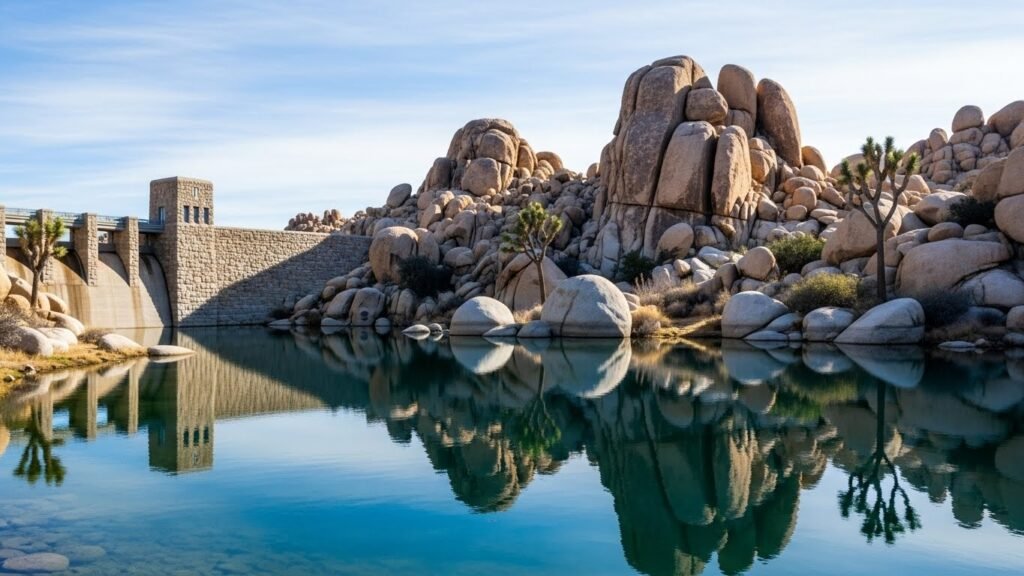
This is a 1.1-mile loop that takes you to a historic dam. Cattle ranchers built it a long time ago to hold water for their animals. You might even see some water there if it has rained lately. Look closely at the rocks to find ancient petroglyphs.
Hidden Valley Nature Trail
This 1-mile loop is tucked inside a ring of tall rocks. In the old days, cattle rustlers supposedly used it to hide stolen cows. It is a beautiful walk and one of the best ways to see the desert up close.
Arch Rock and Heart Rock Trail
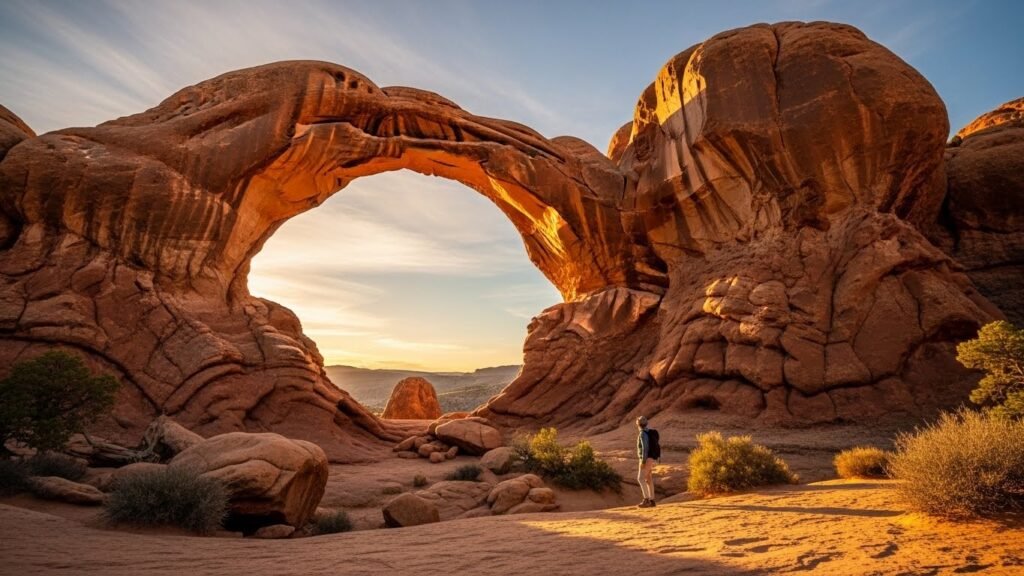
This trail is about 1.4 to 1.75 miles long depending on where you turn. You get to see a natural granite arch that is 30 feet tall. There is also a short side trip to a rock that looks like a perfect heart. It is a favorite spot for taking photos.
Keys View
This is more of a walk than a hike at only 0.2 miles. However, the view is the best in the entire park. You can see the Coachella Valley and the San Andreas Fault from here. On clear days, you can even see all the way to Mexico.
Moderate to Challenging Hikes
If you want a workout, these joshua tree hikes will deliver. They involve more climbing and longer distances.
49 Palms Oasis Trail
This 3-mile round trip hike is a bit of a challenge. You have to hike up and over a rocky ridge to find a hidden oasis. The reward is a grove of green fan palms in a canyon. It is very steep, so make sure you have good boots.
Ryan Mountain Trail
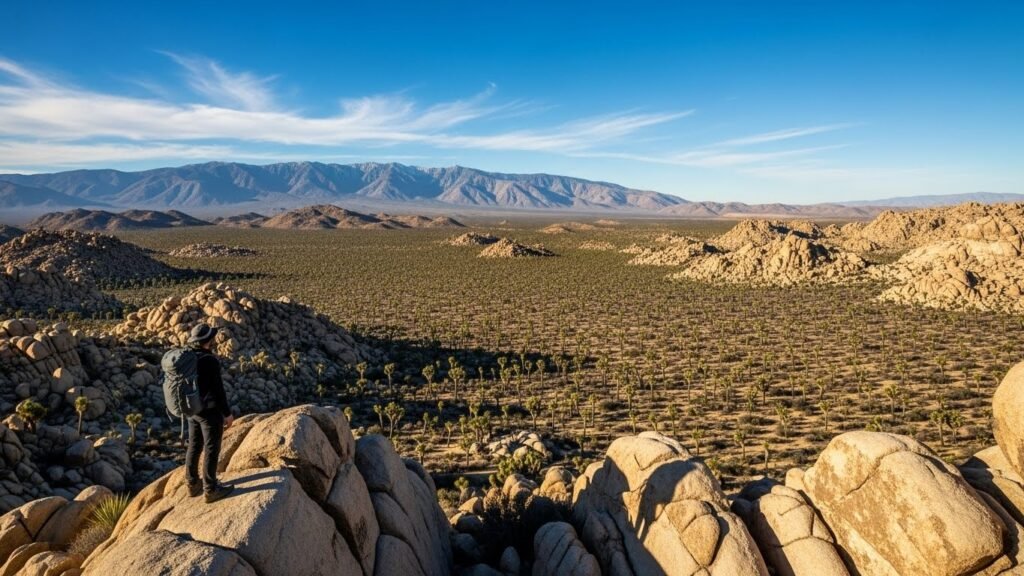
This is a 3-mile out-and-back hike that is straight uphill. You will gain over 1,000 feet of elevation in a short distance. From the top, you get 360-degree views of the whole park. You can see snow-capped mountains in the distance during winter.
Lost Horse Mine Loop
You can do this as a 4-mile walk or a full 6.7-mile loop. It leads to one of the best-preserved gold mines in the area. Over $5 million worth of gold and silver was taken from here. Keep an eye out for desert tortoises moving slowly through the sand.
Panorama Loop Trail
This 6.6-mile trail is a “lollipop” loop starting from Black Rock. It takes you through a forest of Joshua trees and pinyon pines. Most people suggest going counterclockwise to make the climb easier. You will get amazing views of Palm Springs from the high ridge.
Specialized Desert Flora and Fauna to Spot
The plants and animals here have adapted to live in a very dry place. Seeing them in the wild is a big part of the fun.
The Iconic Joshua Tree
The Joshua Tree is not actually a tree at all. It is a type of yucca plant called Yucca brevifolia. They grow very slowly, sometimes only an inch a year. Some of the oldest ones in the park have been alive for hundreds of years. They are essential for the survival of many desert animals.
Desert Wildlife Encounters
- Mammals: Keep your eyes peeled for coyotes and jackrabbits. If you are lucky, you might see bighorn sheep near the water holes.
- Reptiles: Lizards are everywhere, especially on sunny rocks. The desert tortoise is a rare sight and a real treat to see.
- Birds: You will hear roadrunners and cactus wrens making noise in the brush. Hawks often soar high above looking for a meal.
Spring Bloom Guide
Wildflowers can change the look of the desert overnight. Look for the bright yellow Desert Gold and purple Mojave Aster. Cactus blooms are also stunning, with pink and yellow flowers popping out of the spines. The best time to see this is usually in late March.
Off-the-Beaten-Path and Specialty Areas
If you want to escape the crowds, try these spots. They offer a bit more solitude and space to explore.
Indian Cove
Indian Cove is a huge area filled with giant granite rocks. It is a playground for anyone who likes bouldering or scrambling. There are many small paths to explore that aren’t on the main maps. It is also a very popular spot for rock climbing.
Unpaved Roads for Exploring
The park has many miles of dirt roads that most tourists skip. You can drive these in a 4×4 or walk them with your dog. Geology Tour Road is a great one that teaches you about the rocks. These roads are the best place to find a quiet corner of the park.
Things to do in Joshua Tree That Aren’t Hikes
You don’t have to walk miles to have a good time here. There are plenty of other ways to enjoy the desert vibe.
- Visitor Centers: Stop by the Oasis or Cottonwood centers to talk to a ranger. They can give you the best tips for the day you visit. You can also pick up books and cool souvenirs.
- Sound Baths: This is a very “Joshua Tree” experience. You lie down and listen to the relaxing sounds of crystal bowls. The Integratron is a famous place nearby for this.
- Rock Climbing: The park is world-famous for its climbing. You can book a guided trip even if you are a total beginner. It is a thrilling way to see the rocks from a new angle.
- Stargazing: Since there are no city lights, the stars are incredibly bright. Bring a telescope or just a blanket to lie on. The Milky Way is often visible to the naked eye.
- Driving Tours: If it’s too hot to walk, stay in the car with the AC on. There are audio guides you can download to learn as you drive.
Photography Tips for Hikers
The desert light is a dream for anyone with a camera. You just need to know when and where to look.
- Golden Hour: The hour after sunrise and before sunset is the best. The light turns the rocks orange and red. It makes the Joshua trees look even more dramatic.
- Night Photography: Use a tripod to take long exposures of the stars. The boulders make great silhouettes against the night sky.
- Macro Photography: Get close to the ground to see the small stuff. The patterns on cactus needles and desert soil are very cool.
Exploring the Surrounding Towns
The towns around the park are just as interesting as the desert itself. They have a fun, artistic vibe that you won’t find anywhere else.
- Joshua Tree Town: This is the main hub for food and gear. There are plenty of cute shops and art galleries to browse. High Desert Cabins is a great place to stay if you don’t want to camp.
- JT Saloon: This is the place to go for a burger and a beer after a hike. It has a fun atmosphere and lots of outdoor seats.
- The Natural Sisters Cafe: If you want something healthy, this is the spot. Their smoothies and sandwiches are fresh and delicious.
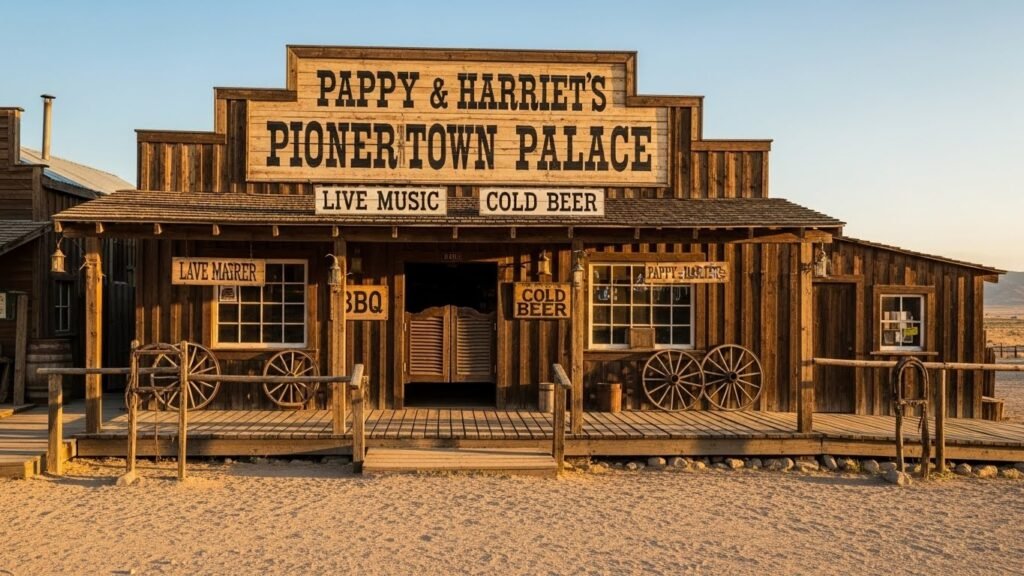
- Pappy & Harriet’s: This legendary spot is in Pioneertown. It is an old movie set turned into a restaurant and music venue. You definitely need a reservation to eat here.
Perfect Two-Day Itinerary for Joshua Tree Hikes
If you have forty-eight hours to spend in the desert, you can see a lot of variety. This plan balances popular spots with some hidden gems. It helps you avoid the worst of the heat and the biggest crowds.
Day One: Iconic Rocks and Hidden Oases
Start your first day early to beat the sun and find easy parking at the busy trailheads. This day focuses on the central and northern parts of the park where the most famous sights are located.
- Sunrise at Cholla Cactus Garden: Arrive just as the sun comes up. The light makes the cactus needles glow like they are on fire. It is a quick walk but offers the best photos of the trip.
- Morning Hike at Arch Rock: Head over to see the natural stone bridge. It is a great spot for scrambling and seeing how the desert was shaped by wind and water.
- Late Morning at Hidden Valley: Take the one-mile loop inside the rock walls. This is one of the most classic joshua tree hikes and provides great shade near the massive boulders.
- Picnic Lunch at Cap Rock: Find a spot under a tree or near a big rock. There are tables here and a very short path to stretch your legs after eating.
- Afternoon Exploration at Skull Rock: Check out the famous skull and then wander the nature trail across the street. The Discovery Trail is right there if you want to see the small slot canyons.
- Sunset at Keys View: Drive up to the overlook for the final light of the day. You will see the entire valley change colors as the sun dips below the mountains.
Day Two: Summits, History, and Stars
On your second day, you can tackle a bit more challenge. You will see the historic side of the park and get a bird’s-eye view of the landscape.
- Morning Climb at Ryan Mountain: Start this hike as early as possible. It is a steady climb, but the 360-degree view from the top is the best reward in the park.
- History Walk at Barker Dam: Head over to see the old water tank and the petroglyphs. It is an easy way to cool down after your mountain climb.
- Afternoon Solitude at Lost Horse Mine: If you have the energy, do the loop to see the old gold mine. It is usually much quieter than the trails near the main road.
- Early Dinner in Joshua Tree Town: Grab a big meal at the JT Saloon or a healthy bowl at The Natural Sisters Cafe. You will want the energy for some night exploring.
- Stargazing at Jumbo Rocks: Head back into the park after dark. Find a flat rock away from any car lights and look up. The number of stars you can see will blow your mind.
Best Tips for Your Two-Day Trip
To make the most of your forty-eight hours, you need to be smart about your time. The desert is big, and driving between spots can take longer than you think.
- Pack All Meals: Do not leave the park for lunch. You will waste an hour or more driving. Bring a cooler with sandwiches and plenty of snacks.
- Stay Hydrated: Drink water even when you are just driving. Your body loses moisture very fast in the dry desert air.
- Download Maps: Ensure your offline maps are ready. You do not want to spend your limited time trying to find a signal to see where the next trailhead is.
- Check Park Entrance Times: If you are visiting on a weekend, try to enter the park before 8:00 AM. The lines at the gate can get very long by mid-morning.
- Dress in Layers: You might start the day in a heavy jacket and end it in a t-shirt. Wear clothes that are easy to take off and put on as the temperature shifts.
Final Summary and Leave No Trace Principles
Keeping the park beautiful is everyone’s job. Follow these simple rules to help protect the desert.
Always pack out every bit of trash you bring in. This includes things like orange peels and nut shells. Stay on the established trails to avoid stepping on the living soil. This “crust” is alive and helps the desert stay healthy.
Before you head out, check the weather one last time. Tell a friend or a safety buddy where you are going and when you will be back. Hydration is your number one priority in the desert. With a little planning, your joshua tree hikes will be an adventure you never forget.
| Feature | Best For | Length |
| Hidden Valley | First-timers | 1.0 Mile |
| Ryan Mountain | Great Views | 3.0 Miles |
| Barker Dam | History | 1.1 Miles |
| Cholla Garden | Photos | 0.2 Miles |
FAQs About Joshua Tree National Park
Can I fly a drone while hiking in Joshua Tree?
No, the use of drones is prohibited within all National Park service lands, including Joshua Tree. This rule is in place to protect the local wildlife from stress and to preserve the quiet, natural experience for other hikers.
Are there any entrance fee-free days for the park?
Yes, the National Park Service offers several fee-free days throughout the year, such as Martin Luther King Jr. Day, the first day of National Park Week in April, and National Public Lands Day in September. Keep in mind that these days are often the most crowded.
Can I sleep in my car or van inside the park?
You can only sleep in your vehicle if you are within a designated campground and have a valid reservation for that specific site. Overnight parking or “boondocking” in pullouts, parking lots, or along the roadside is strictly forbidden and enforced by rangers.
Is the park open 24 hours a day?
Yes, Joshua Tree National Park is open 24 hours a day, 365 days a year. This allows visitors to enter late at night for stargazing or very early in the morning to catch the sunrise on a trail.
What should I do if I see a rattlesnake on the trail?
If you encounter a rattlesnake, stop moving and maintain a distance of at least ten feet. Do not try to move the snake or throw objects at it. Simply wait for it to move off the path or find a safe, wide way to walk around it.
Do I need a permit for professional photography or filming?
Commercial filming and certain types of professional photography require a special use permit. If you are just taking photos for personal use or social media, no permit is needed as long as you stay in public areas and don’t use heavy equipment.
Are there any gas stations inside Joshua Tree?
There are no gas stations located within the park boundaries. You must fill up your tank in the surrounding towns of Joshua Tree, Yucca Valley, or Twentynine Palms before you enter.
Is there a shuttle bus service that goes to the trailheads?
The park occasionally runs a seasonal shuttle called the Roadrunner, but its schedule varies significantly. It is best to check the official National Park Service website for current shuttle availability before your trip.
Can I collect rocks or wildflowers as souvenirs?
No, it is illegal to remove any natural objects from the park, including rocks, plants, flowers, or even pinecones. The goal is to leave the environment exactly as you found it for future generations to enjoy.
Are there any grocery stores inside the park?
There are no grocery stores or restaurants inside the park. The nearest places to buy food, ice, and supplies are in the gateway communities just outside the park entrances.
What is the Junior Ranger program?
This is a free program for children where they complete an activity booklet while exploring the park. Once finished, they can show it to a ranger at a visitor center to earn an official Joshua Tree Junior Ranger badge.
Is it safe to hike alone in Joshua Tree?
While many people hike alone, it is generally recommended to have a partner. If you do go alone, ensure you leave your specific itinerary with someone at home and stick to well-marked, popular trails.
Can I use a mountain bike on the hiking trails?
Bicycles are only allowed on paved and unpaved roads within the park. They are strictly prohibited from all hiking trails to prevent erosion and conflicts with pedestrians.
How do I get to the park from the Palm Springs airport?
The easiest way is to rent a car and drive North on Highway 62. The drive takes about 45 to 60 minutes depending on which park entrance you are targeting.
Are there electric vehicle charging stations in the park?
Currently, there are no EV charging stations inside the park. However, you can find several charging stations in the nearby towns of Joshua Tree and Twentynine Palms.
Do I need a permit for backcountry camping?
Yes, if you plan to camp outside of a designated campground, you must register for a backcountry permit. There are specific rules about how far you must be from the road and water sources.
Can I have a campfire while camping?
Campfires are only allowed in the designated metal fire rings provided at campgrounds. You must bring your own firewood, as gathering wood from the desert floor is illegal and harms the ecosystem.
What is the closest major airport to Joshua Tree?
Palm Springs International Airport (PSP) is the closest. Other options include Ontario International Airport (ONT), which is about an hour and a half away, or Los Angeles International (LAX).
Are there poisonous insects I should be aware of?
The desert is home to scorpions and black widow spiders. While they are usually shy, it is a good idea to shake out your boots before putting them on and avoid sticking your hands into dark rock crevices.
Is the water at the oases safe to drink?
No, the water in the natural desert oases is for wildlife only and may contain bacteria or parasites. Always carry and drink the tap water you brought into the park with you.