
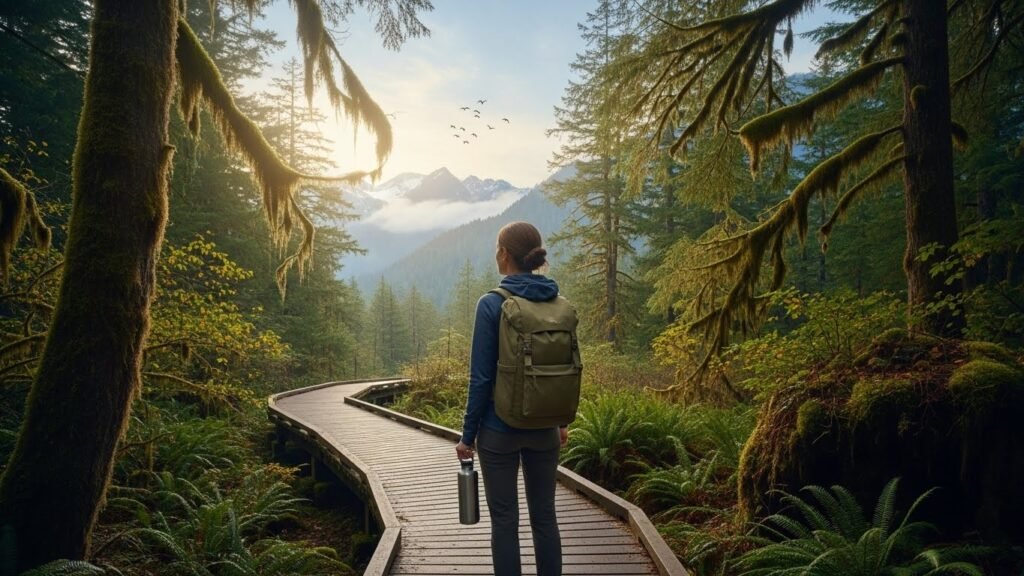
Planning a trip that respects the planet is a total game changer. More travelers now want the most sustainable experiential travel in USA because it connects them to nature. It is not just about seeing a place. It is about making sure that place stays beautiful for everyone else. Choosing green travel helps local communities and protects wild animals. You can explore amazing spots while keeping your carbon footprint very low.
Sustainable travel in America means being smart about your choices. You can hike deep forests or visit cool green cities. Every choice you make helps save the diverse U.S. landscapes. It is a way to travel that feels good for your soul. You get to see the real beauty of the country without hurting it. This guide shows you how to be an eco-pro on your next big adventure.
Exploring the National Park System Responsibly
The National Park Service is a hero for conservation. They manage millions of acres of wild land across the country. These parks are a global model for how to protect nature. When you visit, you are supporting a legacy of environmental health. It is the perfect place for the most sustainable experiential travel in USA. You get to see mountains, deserts, and forests in their purest form.
Understanding Leave No Trace Principles
The Leave No Trace rules are easy to follow. They help every outdoor fan protect the ground they walk on. Always plan ahead so you do not get lost. Pack out all your trash, even the tiny scraps. Leave what you find so others can enjoy it too. Respecting these rules keeps the parks wild and healthy for years.
- Plan ahead by checking weather and park rules before you leave.
- Dispose of waste by carrying all your trash back home with you.
- Leave discoveries alone so plants and rocks stay where they belong.
- Minimize fire impact by using established fire rings or small stoves.
Essential Tips for Sustainable Park Visits
Going zero waste is easier than you think. Swap out plastic bottles for a sturdy reusable one. This keeps plastic out of the stomachs of hungry animals. Stick to the designated trails to keep the dirt in place. Walking off-path can kill small plants and cause bad soil erosion. Your footprints should be the only thing you leave behind on the dirt.
- Zero Waste Strategies involve using refillable water jugs and cloth bags for snacks.
- Trail Integrity means staying on the path to protect fragile soil and moss.
- Wildlife Ethics require you to keep a safe distance from all wild animals.
- Reducing Carbon Footprints is easy if you use the free park shuttle buses.
Top National Parks for Eco-Adventures
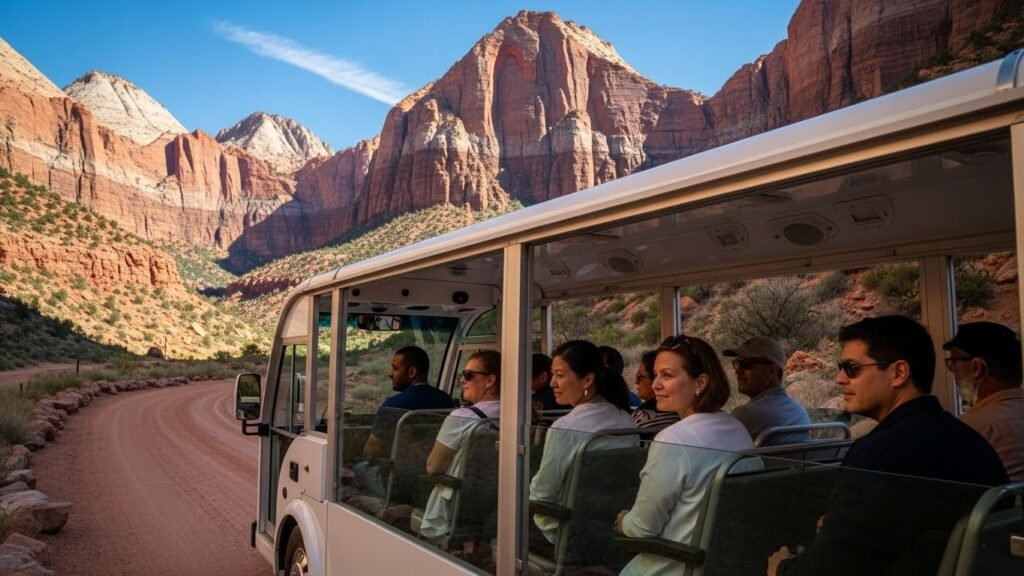
Zion and Bryce Canyon have great shuttle systems. These buses stop cars from crowding the narrow canyon roads. It makes the air cleaner and the trip much quieter. Glacier National Park lets you see how the climate is changing fast. It is a powerful place to learn about protecting our big ice sheets. The Everglades offer cool trips on boats that do not use loud motors.
- Zion and Bryce Canyon use electric shuttles to stop traffic jams in the park.
- Glacier National Park offers education on how to save our melting glaciers.
- The Everglades are best explored in a kayak to avoid hurting the water.
- Acadia National Park has a green bus called the Island Explorer for hikers.
Eco-Friendly Accommodations and Green Lodging
Finding a green place to sleep is very important. Look for special signs like LEED or Green Key ratings. These labels mean the building saves water and uses clean power. Many hotels now use the sun or wind for their electricity. This is a huge part of the most sustainable experiential travel in USA. You can sleep well knowing your stay is not hurting the earth.
Types of Sustainable Stays
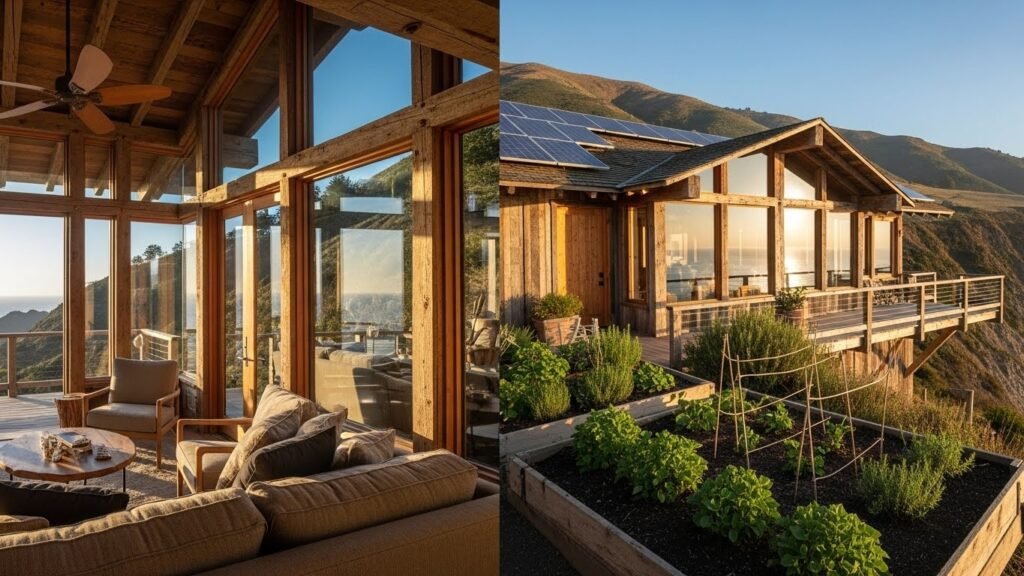
Luxury eco-lodges offer fancy rooms with a low impact. They often sit on cliffs or in deep woods. Many use solar power to keep the lights on at night. You can also find cool cabins made from old, recycled wood. These spots look great and save trees at the same time. Urban hotels are joining in by growing food on their roofs.
- Luxury Eco-Lodges provide high comfort while using very little energy or water.
- Rustic Cabins are often built from salvaged timber found in local forests.
- Green Urban Hotels use gray-water systems to flush toilets and water plants.
- Eco-Resorts and Glamping combine the fun of camping with modern waste systems.
- Sustainable Hostels allow travelers to share resources and reduce their total footprint.
The Technology of Green Stays
Modern hotels use smart tech to be green. Gray-water recycling takes sink water and uses it for gardens. Geothermal heating uses the heat from the ground to stay warm. This tech is invisible but does a lot of good work. Many rooms now have smart grids that turn off lights automatically. This saves a lot of power over a long year.
| Technology | Benefit | Impact |
| Solar Panels | Clean energy | Lowers carbon |
| Low-Flow Taps | Saves water | Protects local supply |
| LED Lighting | Uses less power | Reduces utility waste |
| Composting | Rich soil | Stops landfill growth |
Pioneer Eco-Cities and Sustainable Urban Centers
Some U.S. cities are leading the way in green living. They build parks that act like lungs for the city. These spots have clean air and lots of trees for shade. Urban planning now includes more room for bikes and pedestrians. It makes exploring a city fun and very eco-friendly. These cities prove that humans and nature can live together well.
Leading Sustainable Cities
Portland is famous for its massive network of bike paths. You can ride almost anywhere without needing a car or gas. Austin is a leader in using wind power for its big buildings. San Francisco has some of the best recycling laws in the world. They turn almost all their trash into something new and useful. Seattle protects its ocean water while growing a huge urban forest.
- Portland, Oregon is the best place for bike riders and vegan food lovers.
- Austin, Texas mandates green building rules for every new skyscraper in town.
- San Francisco, California has a goal of sending zero waste to any landfill.
- Boulder, Colorado integrates hiking trails directly into the city street map.
- Seattle, Washington uses its light rail to keep cars off the busy highways.
The Green City Blueprint
Biophilic design means adding nature into every building. You might see walls covered in real green vines. This helps cool the building down during hot summer days. It also makes people feel happier and less stressed out. Cities are planting more trees to stop the urban heat effect. This keeps the whole neighborhood feeling fresh and cool for everyone.
The Sustainable Foodie Movement
Eating local food is a big part of green travel. It means your dinner did not travel far in a truck. This saves a lot of fuel and keeps the food fresh. Regenerative farms are great because they make the soil healthier. Supporting these farms helps the earth heal while you eat well. This is a tasty way to find the most sustainable experiential travel in USA.
Eco-Dining Experiences

Farm-to-table restaurants are popping up everywhere in the country. They get their veggies from the garden right next door. You can also visit organic vineyards in Napa or Oregon. These places do not use harsh chemicals on their grapes. It makes the wine taste better and keeps the ground safe. Some breweries even use old bread to make their craft beer.
- Farm-to-Table Excellence means the menu changes with the local harvest seasons.
- Organic Vineyards use natural bugs instead of chemicals to protect their fruit.
- Zero-Waste Dining involves composting every scrap of food left on the plate.
- Plant-Based Tourism focuses on delicious vegan meals that use fewer resources.
- Foraging Tours teach you how to find wild food without hurting the forest.
Supporting Local Food Systems
When you buy from a farmers market, you help a neighbor. That money stays in the town and helps it grow. It also reduces the need for plastic packaging and long shipping. Many cities now have community gardens where anyone can pick food. It is a beautiful way to see how a town feeds itself. Eating this way is better for your body and the planet.
Low-Impact Outdoor Adventures and Activities
Slow travel is all about taking your time to explore. Instead of rushing, you stay in one spot for longer. This lets you really get to know the land and people. Human-powered sports are the best for the environment. They do not make noise or emit any bad smoke. You get a workout and a great view at the same time.
Top Eco-Friendly Activities
Kayaking in Alaska is a quiet way to see big whales. You do not bother them with a loud engine or oil. Biking along the Pacific Coast Highway is a classic green trip. It takes effort but the views are totally worth the sweat. Hiking the Appalachian Trail is a deep dive into the wild woods. You learn to live with only what you can carry.
- Glacial Kayaking lets you glide past icebergs without making a single sound.
- Long-Distance Cycling is a zero-emission way to see the beautiful coastline.
- Sustainable Hiking focuses on packing light and staying on the marked trails.
- Wildlife Observation should always be done from a distance with binoculars.
- Dark Sky Tourism helps protect the night from too many bright city lights.
The Philosophy of Slow Travel
Slow travel reduces the stress of a typical busy vacation. You might spend a whole week in one small mountain town. This helps you build a connection with the local environment. It also means you spend less time in cars or planes. You find hidden gems that fast tourists always miss. It is the most relaxing way to enjoy a green trip.
Protecting Coastal and Marine Ecosystems
The ocean needs our help more than ever before. Sustainable travel includes taking care of our beautiful blue waters. When you swim, you should be careful not to touch reefs. Corals are living animals that grow very slowly over many years. One touch can kill them or stop them from growing. Protecting the sea is vital for the most sustainable experiential travel in USA.
Reef-Safe Travel Practices
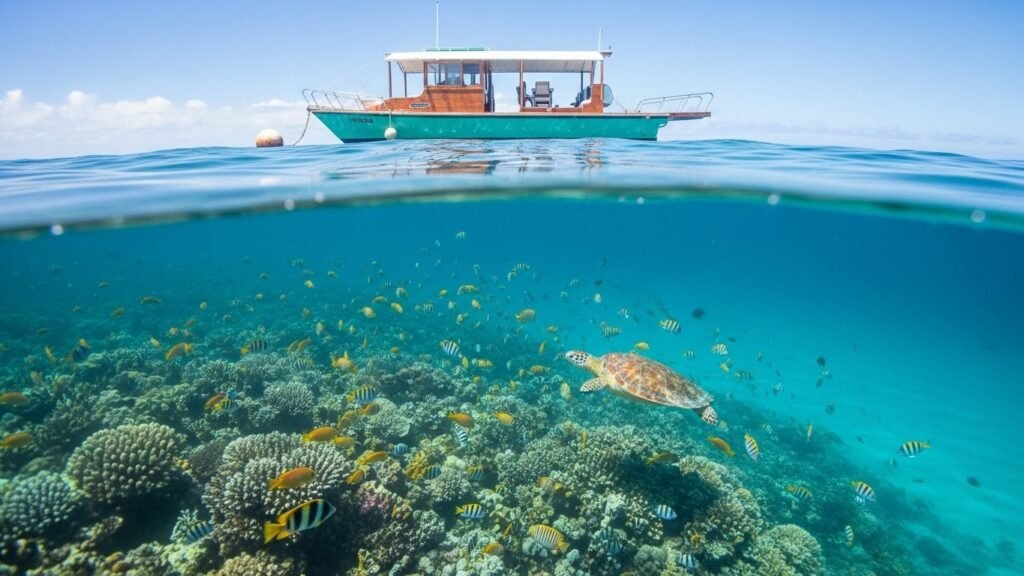
Many sunscreens have chemicals that hurt the coral reefs. Look for bottles that say reef-safe on the front label. These use minerals like zinc to protect your skin instead. When you go boating, never drop an anchor on the seagrass. Use a mooring buoy so you do not rip up the ocean floor. Always pick up any plastic you see on the sandy beach.
- Chemical-Free Sunscreens protect your skin without poisoning the local fish.
- Responsible Boating keeps the anchor away from fragile underwater plants.
- Plastic-Free Beaches happen when every visitor picks up three pieces of trash.
- Eco-Diving involves keeping your fins up so you do not kick the coral.
Supporting the Blue Economy
The blue economy means using the ocean in a smart way. It supports jobs like sustainable fishing and eco-tours. When you choose these services, you help keep the ocean healthy. Many coastal towns now have protected zones where fishing is not allowed. These spots act like nurseries for thousands of colorful sea creatures. Visiting these areas helps fund their protection and keeps them safe.
Eco-Volunteering and Regenerative Travel
Regenerative travel goes one step beyond just being sustainable. It means you actually leave a place better than you found it. You might spend a day planting trees or cleaning a river. This gives you a deeper bond with the place you are visiting. It turns a simple trip into a meaningful mission for the earth. This is the heart of the most sustainable experiential travel in USA.
Opportunities for Impact
You can volunteer with the National Park Service on your trip. They often need help fixing trails or counting local birds. WWOOF USA lets you stay on a farm for free if you work. You learn how to grow organic food and live off the land. Beach cleanups are also a great way to meet local people. It feels great to see a beach look clean after your hard work.
- Trail Maintenance helps keep the parks safe for everyone who hikes there.
- Organic Farming teaches you the secrets of growing food without any chemicals.
- Citizen Science lets you help real scientists track changes in the environment.
- Habitat Restoration involves planting native bushes to help local birds nest.
The Ethics of Volunteering
Always make sure your volunteer work is actually helpful. Research the group to see if they really support the community. Good programs listen to what the local people truly need. They do not just do things for a good photo on social media. True volunteering is about humble service and learning from others. It creates a lasting positive change for the environment and the people.
Cultural Preservation and Respectful Engagement
Sustainable travel also means respecting the people who live there. This includes learning about Indigenous cultures and their holy lands. Many tribes offer tours that teach ancient ways to save nature. This knowledge is very important for the future of our planet. Supporting local artists helps keep their unique traditions alive and well. It adds a rich layer of meaning to your whole journey.
Indigenous-Led Tourism
Many tribes in the Southwest offer amazing guided desert tours. They show you how to find water and plants in the heat. These guides have a deep spiritual link to the earth they walk on. Listening to their stories helps you see the land in a new way. It is a respectful way to enjoy the most sustainable experiential travel in USA. Always follow their rules when visiting sacred or private tribal sites.
- Tribal Tours offer a unique look at history and nature through native eyes.
- Cultural Markets allow you to buy authentic art that supports local families.
- Sacred Site Ethics mean you never take photos where it is not allowed.
- Language Respect involves learning a few basic words of the local tongue.
Preserving Local Heritage
Every small town has a story that deserves to be heard. Visiting local museums helps fund the preservation of these tales. When a culture is strong, the environment is often better protected. People take care of the land that their ancestors lived on. Respecting local customs makes you a better and more welcome guest. It ensures that these unique cultures do not fade away over time.
Sustainable Transportation Across the States
Getting around a huge country like the USA is a big challenge. Planes use a lot of fuel and create a lot of carbon. Trains are a much greener way to see the rolling countryside. Amtrak has routes that go through some of the most beautiful spots. You can sit back and watch the world go by without driving. It is a classic way to travel in a very green way.
Greener Ways to Move
Electric vehicles are becoming a popular choice for road trips. There are more charging stations popping up every single day. You can drive for miles using only the power of the sun or wind. In big cities, try using the subway or the light rail. It is much cheaper than a taxi and way better for the air. Many cities also have bikes you can rent with just a phone app.
- Electric Vehicles are perfect for clean road trips across the national parks.
- Amtrak Trains offer a relaxing ride with a much lower carbon footprint.
- Bikeshare Programs make it easy to see a city without getting stuck in traffic.
- Public Buses are an affordable way to move around like a local person.
The Impact of Flying
If you must fly, try to take a direct flight. Most fuel is used during the takeoff and the landing parts. You can also buy carbon offsets to help balance your flight. This money goes to projects like planting trees or building wind farms. Some airlines are even starting to use greener jet fuels. Being mindful of how you fly makes a big difference for the sky.
The Eco-Traveler’s Packing List
What you pack matters just as much as where you go. A heavy bag makes a car or plane use more fuel. Try to be a minimalist and only bring what you need. Choose clothes made from natural fibers like cotton or wool. These do not shed tiny plastic bits into the wash water. Packing light is a smart move for any green traveler on the go.
Essential Sustainable Kit

Bring a set of bamboo cutlery so you never need plastic forks. A metal straw is also great for drinking cold juice or soda. Solid shampoo bars save space and do not need plastic bottles. They also last much longer than the liquid kind in the store. A solar charger can keep your phone alive using only the bright sun. These small items make a big impact over a long trip.
- Reusable Water Bottle keeps you hydrated without creating any plastic waste.
- Solid Toiletries stop leaks in your bag and eliminate plastic packaging.
- Bamboo Utensils are light and easy to clean after a quick campfire meal.
- Cloth Grocery Bags are perfect for carrying snacks or souvenirs from town.
- Solar Power Bank lets you charge your gear while you are out hiking.
The Minimalist Mindset
Only pack things that you can use in many different ways. One good jacket is better than three thin ones that break. High-quality gear lasts for years and does not end up in trash. This saves you money and saves the planet from more junk. Think about every item before you put it in your suitcase. If you do not need it, leave it at home in the closet.
How to Calculate Your Carbon Footprint for Your Next Trip
Learning to measure your impact is a big part of the most sustainable experiential travel in USA. It helps you see exactly how your choices affect the air and land. Once you know your score, you can find ways to make it much lower. It is like keeping track of your budget but for the planet. This makes your travel smarter and much more meaningful.
Tracking Your Transportation Impact
Transportation is usually the biggest part of your carbon score. Planes and cars release gases that warm up the earth. You can use online tools to see how much each mile costs the environment. Trains usually have the lowest score for long trips. It is a great way to start the most sustainable experiential travel in USA.
- Check Flight Miles to see the total distance you will fly.
- Measure Car Gas used by tracking your miles per gallon.
- Compare Bus Scores which are often much better than flying.
- Add Train Travel to your plan to lower your total score.
Measuring Your Food and Sleep Impact
Where you sleep and what you eat also adds to your footprint. Hotels use energy for lights, air conditioning, and cleaning sheets. Eating meat usually has a higher carbon cost than eating plants. Choosing a green hotel helps you keep your daily score very low. This is a key step for the most sustainable experiential travel in USA.
- Hotel Energy Use can be checked by looking at their green labels.
- Meat vs Plants score shows that vegan meals save a lot of carbon.
- Laundry impact is lower if you use your towels for a few days.
- Local Food Sourcing reduces the miles your dinner had to travel.
Using Online Carbon Calculators
There are many free tools online that do the math for you. You just plug in your destination and how you plan to get there. These sites give you a total number in tons of carbon. Seeing this number helps you decide if you should take a train instead. It is the best way to manage the most sustainable experiential travel in USA.
- Choose Trusted Sites like those from environmental groups or colleges.
- Input Every Leg of your trip including small taxi rides.
- Save Your Results to compare them with your next big adventure.
- Share with Friends to show them how easy it is to be green.
Offsetting What You Cannot Cut
Sometimes you have to take a flight to reach a far place. In these cases, you can buy a carbon offset. This money goes to projects that pull carbon back out of the air. It might help plant a new forest or build a wind farm. While cutting waste is best, offsets help balance out the rest of your trip.
- Planting Trees helps absorb carbon while providing homes for birds.
- Renewable Energy projects replace old coal power with clean wind.
- Methane Capture stops harmful gas from escaping old landfills.
- Forest Protection keeps existing trees from being cut down for wood.
Calculating your footprint turns you into a professional green traveler. You start to see the hidden costs of every choice you make. It helps you prioritize the most sustainable experiential travel in USA on every trip. With a bit of practice, you can cut your impact in half. It is a win for you and a huge win for the beautiful American landscape.
Conclusion: The Future of Eco-Tourism in the USA
The most sustainable experiential travel in USA is the future. It allows us to explore this vast land without destroying it. Every small choice you make builds a better world for everyone. Choosing a green hotel or a bike path makes a big statement. It shows businesses that travelers care about the health of our earth. Your adventures can be a force for good in the world.
As you plan your next trip, remember the beauty of nature. The mountains and oceans are counting on us to be careful. Traveling with a green heart makes every sunset look a bit brighter. You will return home with great stories and a very clean conscience. The USA has so much to offer the conscious and caring traveler. Get out there and explore the green way starting right now.
FAQs for the Most Sustainable Experiential Travel in USA
Planning for the most sustainable experiential travel in USA brings up many unique questions. While the main guide covers a lot, you might still have specific things on your mind. Here are the answers to the most common things people ask when going green. This section helps you dive even deeper into the world of eco-friendly exploration.
How do I find the most sustainable experiential travel in USA on a tight budget?
You can save a lot of money by choosing public buses instead of renting cars. Staying in hostels that have green labels is another great way to save cash. Many eco-tours actually cost less because they focus on simple activities like walking or birding. You can also volunteer for a day in exchange for lower park entry fees.
What are the best states for the most sustainable experiential travel in USA?
Oregon and Washington are famous for their green rules and beautiful bike paths. Vermont is another leader because it uses a lot of clean wind and sun power. California has the most national parks and very strict recycling laws for every visitor. Colorado is perfect for those who love mountain air and organic local food.
Can I practice the most sustainable experiential travel in USA while visiting big theme parks?
Yes, many big parks now have huge recycling programs for plastic and food waste. You can bring your own refillable water bottle to save money and stay green. Choose to stay in hotels on the park property to use their electric shuttles. This keeps you from having to drive a car and pay for parking every day.
Is train travel really part of the most sustainable experiential travel in USA?
Taking the train is one of the best ways to lower your carbon footprint. Trains use much less fuel per person than a car or a big jet. You also get to see the beautiful countryside through huge windows while you relax. Amtrak offers routes that connect almost every major green city across the whole country.
How does the most sustainable experiential travel in USA help local wildlife?
When you travel green, you stay on the trails and do not bother animals. This keeps their homes safe and quiet so they can grow and hunt. Many eco-tours give money back to groups that protect endangered species like wolves. Your visit helps fund the guards who keep these animals safe from any harm.
What should I look for in a green travel agency?
Look for agencies that have a clear mission to protect the local environment. They should work directly with local guides and pay them a very fair wage. A good agency will tell you exactly how they offset the carbon for your trip. They often have special awards from groups like the Global Sustainable Tourism Council.
How do I handle trash during the most sustainable experiential travel in USA?
Always carry a small bag for your recyclables until you find a proper bin. Never leave food scraps behind even if they seem natural like an apple core. These scraps can make wild animals sick or attract them to dangerous roads. If you see trash left by others, try to pick it up and help out.
Are electric bikes good for the most sustainable experiential travel in USA?
Electric bikes are a fantastic way to see hilly areas without getting too tired. they allow you to cover more ground than a regular bike without using gas. Many national parks now allow e-bikes on paved roads and some specific gravel trails. They are quiet and do not release any bad smoke into the fresh air.
How can I avoid greenwashing while searching for a trip?
Greenwashing is when a company says they are eco-friendly but they are not. Check for real proof like solar panels on their roof or clear recycling bins. Ask them specific questions about where their food comes from and how they save water. Truly green companies will be very happy and proud to share those details.
What is the best way to support local tribes on my trip?
Always book tours that are owned and led by members of the local tribe. Buy your jewelry and art directly from the artist at a tribal market. This ensures that your money goes straight into the pockets of the local community. Respect all signs that mark certain areas as private or holy for the tribe.
How do I pack toiletries for the most sustainable experiential travel in USA?
Swap out liquid soaps for solid bars of shampoo and body wash. These do not need plastic bottles and they will never leak in your suitcase. Look for soaps that are biodegradable so they do not hurt the local water. This is especially important if you are camping or staying in a rustic cabin.
Is it okay to use ride-sharing apps on a green trip?
If you have to use a car, look for the “green” or “electric” option in the app. Sharing a ride with other people also helps lower the impact of the trip. It is always better to take a bus or train if those options are available. Using a bike for short trips in the city is the best choice overall.
How can I reduce my water use while staying in a hotel?
Take shorter showers and turn off the tap while you are brushing your teeth. Hang up your towels so the hotel knows you want to use them again. This saves thousands of gallons of water and a lot of electricity for laundry. Many green hotels have low-flow toilets and sinks to help you save water.
What are the benefits of staying in an eco-hostel?
Eco-hostels focus on sharing resources like kitchens and living rooms with other guests. This means less energy is used per person compared to a private hotel room. They often have cool programs like communal organic dinners or free bike rentals. You can meet other travelers who also care about the most sustainable experiential travel in USA.
How do I choose a sustainable boat tour?
Look for tours that use sailboats or electric motors instead of loud gas engines. These are much better for the fish and whales living in the water. The guides should also talk about conservation and the history of the local ocean. Avoid any tours that allow people to feed or touch the wild sea creatures.
What is a carbon offset and should I buy one?
A carbon offset is a way to pay for projects that clean the air. This might mean planting trees or building new wind turbines in a windy state. You should buy them to balance out the parts of your trip you cannot change. It is a great way to take responsibility for your total travel impact.
Can I travel sustainably with kids in the USA?
Yes, traveling green is a wonderful way to teach children about nature and science. Many national parks have “Junior Ranger” programs that teach kids how to protect the land. Staying in a cabin or camping is a fun adventure that uses very few resources. Kids love learning how to sort recycling and find local birds on the trail.
How do I find sustainable food while on a road trip?
Use apps to find local farmers markets and co-op grocery stores along your route. These spots have the freshest food and very little plastic packaging on the shelf. Look for small family-owned diners instead of big fast-food chains on the highway. This supports the local economy of the small towns you are passing through.
What are the rules for drones in national parks?
Drones are actually banned in most national parks because they bother the wild animals. They also make a lot of noise that ruins the quiet for other people. If you want to take great photos, stick to a regular camera with a good zoom. Keeping the parks quiet is a big part of the most sustainable experiential travel in USA.
How can I be an advocate for green travel when I get home?
Share your stories and photos with friends and tell them about the green spots you found. You can write reviews for the eco-hotels and tours that did a great job. Encourage others to try the most sustainable experiential travel in USA for their next big break. Your voice helps grow the movement and protects the planet for everyone.