
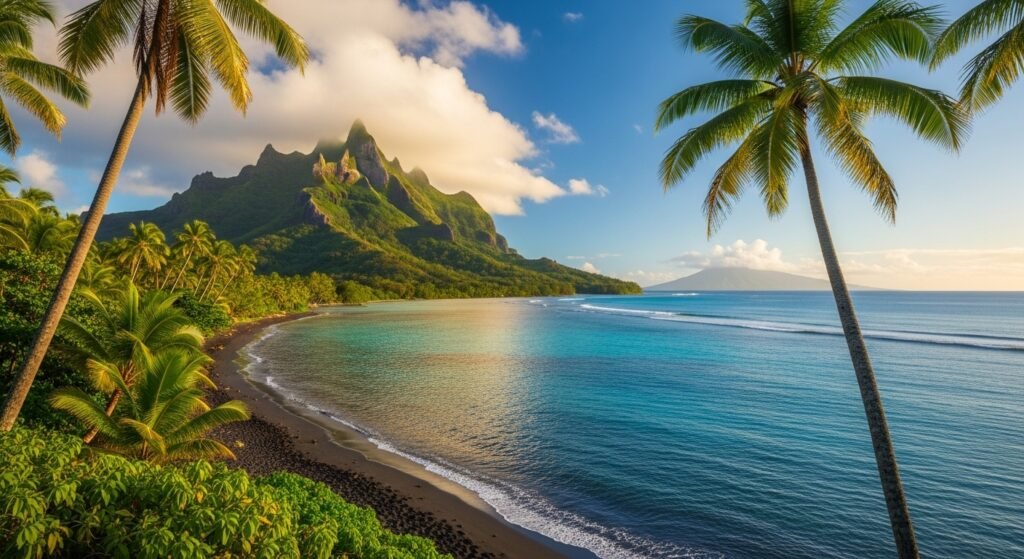
Tahiti is the biggest island in French Polynesia and sits right in the South Pacific. It serves as the gateway to a tropical world of black sand beaches and lush mountains. You will find vibrant coral reefs and a deep Polynesian heritage here. This island offers a mix of city life in Papeʻete and wild adventures in the rugged interior. Many people think they should leave Tahiti as fast as possible for other islands. That is a mistake because Tahiti is a paradise in its own right. You will find endless adventures that feel bigger than those on smaller islands. Planning for things to do in Tahiti means preparing for deep jungle hikes and beautiful ocean views.
Essential Travel Planning for First-Time Visitors
Planning your trip is the first step to having an amazing time in the South Pacific. You need to know when to go and how long to stay. This helps you see the best things to do in Tahiti without feeling rushed.
Best Time to Visit
The weather in Tahiti is tropical and warm all year long. You should know there is a rainy season and a dry season.
- Dry Season: This runs from April to October and offers the best weather for outdoor fun.
- Rainy Season: This starts in November and goes through April with plenty of rain.
- August Travel: The weather is mostly sunny with some rain in the afternoons.
- Temperature: It stays warm enough for swimming and hiking regardless of the month.
Suggested Trip Duration
You might wonder how many days you need on the main island. Spending 3 to 5 days is a great way to start your journey. This gives you enough time to explore the hidden gems and also relax by the pool. If you have more time, you can add more interior island adventures to your list.
Entry Requirements
Before you fly out, check your travel documents to avoid any stress. Using a site like iVisa.com is a smart move for international travelers. They help you find the right papers for French Polynesia. It is an honest way to handle the boring parts of travel.
Safety in French Polynesia
French Polynesia is one of the safest places you can visit in the world. Most safety issues are just about being careful outdoors.
- Outdoor Risks: Keep an eye on trail conditions and weather changes.
- Official Advice: You can check the U.S. State Department website for any updates.
- Common Sense: Like anywhere else, just be smart and watch your gear.
Transportation and Logistics
Getting around Tahiti is a big part of the adventure. You need a way to reach the trailheads and beaches that are far from the city.
The Necessity of a Rental Car
The answer to whether you need a car is an easy yes. Having a car gives you the freedom to drive whenever you want.
- Vehicle Type: You do not actually need a 4×4 for most of the main roads.
- Efficiency: A cheap and fuel-efficient car is more than enough for the island loop.
- Booking: Use a site like Discover Cars to compare prices and find deals.
- Flexibility: A rental car makes reaching distant things to do in Tahiti much easier.
Navigating the Island
The island has one main road that goes all the way around the coast. You should download your maps before you go.
- Offline Maps: Google Maps works well if you pre-download the island.
- Apple Maps: Be careful as some spots like Vallée Pu Falls are not on Apple Maps.
- Coastal Road: It is hard to get lost if you stay on the main belt road.
Public Transport and Taxis
Papeʻete has some public transport options if you are staying in the city. Taxis are available but they can get expensive for long trips. Most travelers find that the “Le Truck” bus is a fun way to see local life. It is not always on time so do not rely on it for early morning hikes.
Top Cultural Landmarks and Museums
Tahiti is the cultural heart of the Society Islands. You should take time to learn about the people and their history.
Papeete Market (Mapuru a Paraita)
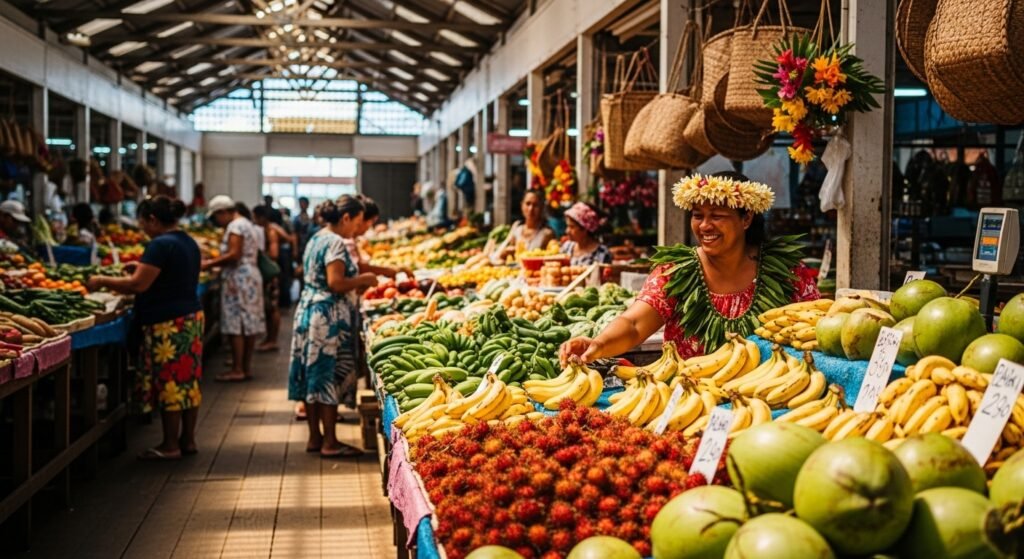
This bustling market is a central part of daily life in the capital. It is a landmark where you can see the soul of the island.
- Local Goods: You can buy tropical fruits, vegetables, spices, and fresh fish.
- Souvenirs: Look for flower crowns and local crafts made by small businesses.
- Sunday Peak: The best time to visit is Sunday morning when it is most crowded.
- Early Start: The market opens at 5 am during the week and 4 am on weekends.
The Robert Wan Pearl Museum
Tahitian pearls are some of the most valuable pearls on earth. This museum is a must-visit to understand their beauty.
- History: You can learn about the legends of pearls across different cultures.
- Collection: See some of the most exquisite cultured pearls ever found.
- Education: It is a great way to learn how to pick a quality pearl for yourself.
The Museum of Tahiti and the Islands
This museum is perfect for a rainy morning or a deep dive into history. It helps you understand the Polynesian way of life.
- Culture: Discover the rich heritage of the surrounding islands.
- Herbarium: It houses the Herbarium of French Polynesia for nature lovers.
- Interactive: There are exhibitions that are fun for kids and adults alike.
- Time: Plan to spend at least two hours exploring all the rooms.
High-Adventure Hiking and Interior Exploration
If you love the outdoors, the interior of Tahiti is where the magic happens. These are some of the most exciting things to do in Tahiti for hikers.
Mont Aorai Trail: The Ultimate Summit
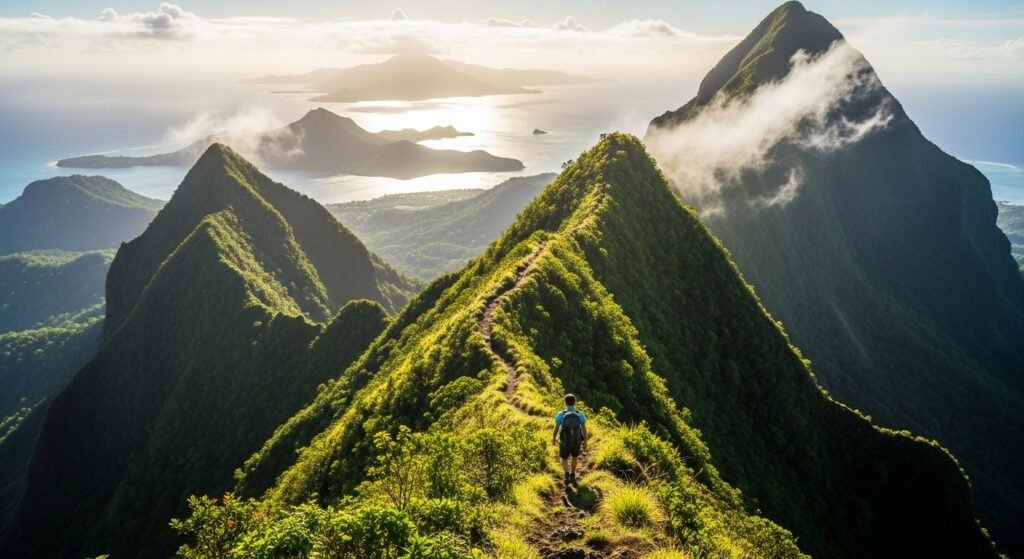
This is arguably the most beautiful hike on the island. It is also considered by many to be the hardest.
- Distance: The trail is a long 20.6 miles or 33.2 kilometers round trip.
- Duration: It takes a full day to reach the summit and get back.
- Parking: Find a spot before the O Belvédère Restaurant if you have a 2WD car.
- Preparation: Start at least an hour before sunrise to make the most of the light.
The Three Stages of the Hike
The hike is broken into three main sections that each take a similar time.
- First Stage: This goes from the trailhead up to the first cabin.
- Second Stage: You trek from the first cabin to the second cabin.
- Third Stage: The final push goes from the second cabin to the true summit.
- False Summits: Be prepared for many false summits before you reach the top.
Fautaua Valley and the Secret Waterfall
Fautaua Valley is located right behind the city of Papeʻete. It is a unique adventure that many tourists miss.
- Permits: You must get a permit from the town hall to hike here.
- The Gate: The trailhead starts at an industrial area with a large gate.
- Secret Falls: Many people find a secluded waterfall that is different from the main one.
- Stream Hike: The path eventually becomes a stream hike with several crossings.
Lake Vaihiria 4×4 Excursion
This adventure takes you into the heart of Tahiti Nui. It is the only natural lake in all of French Polynesia.
- Accessibility: You should book a 4×4 tour to avoid off-roading in your rental.
- Views: The tour offers some of the best interior views of the island.
- Effort: It is one of the best things to do in Tahiti without a long hike.
Papenoʻo Valley
The Papenoʻo Valley is one of the most popular interior destinations. It is insanely beautiful and very popular with groups.
- Advanced Planning: These tours often sell out quickly.
- Booking: You should book your guide at least two weeks in advance.
- Landscape: Expect to see deep valleys and many hidden waterfalls.
Waterfalls and Tropical Gardens
Tahiti is famous for its falling water and lush plants. These spots are easier to reach than the high mountain peaks.
Vaimahuta and Faʻarumaʻi Falls
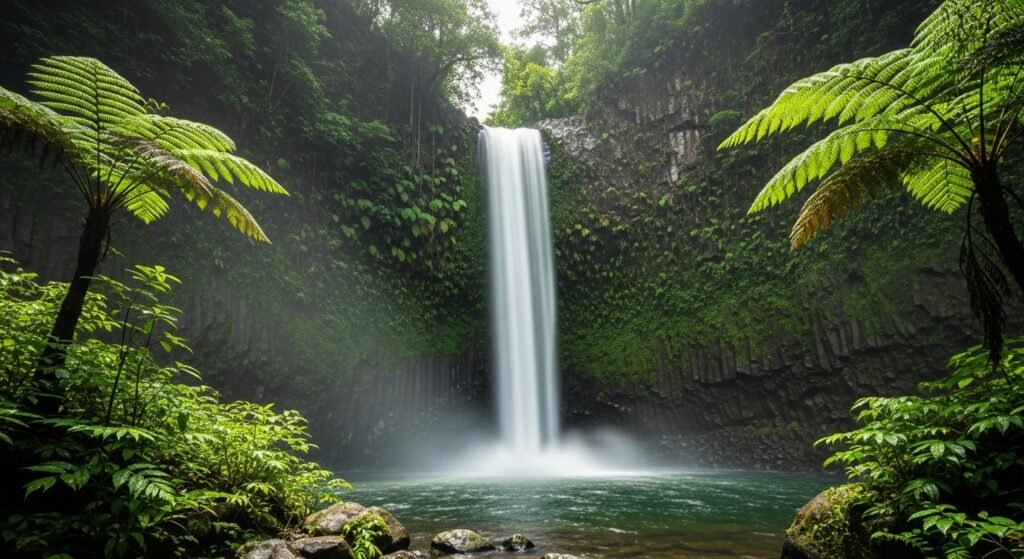
These falls are much easier to reach than the Mont Aorai trail. It is a very accessible adventure for families.
- Main Falls: Vaimahuta Falls is the most famous one you see in photos.
- Hidden Falls: If you walk further down the trail, you can find three more falls.
- Short Walk: The extra waterfalls are only a 10 to 15 minute walk away.
Vallée Pu Falls
This is a waterfall you can actually see from the main road. The whole adventure takes less than ten minutes from your car.
- Directions: Drive to the Tahiti Glace Papara and take the road across the street.
- Parking: Park before you reach the thick canopy of trees.
- Bugs: Be sure to wear bug spray because the mosquitoes can be bad.
Harrison Smith Botanical Gardens
Founded in the early 20th century, this garden is a tropical paradise. It shows off the passion for local flora.
- Diversity: See a collection of palms, orchids, and tropical fruit trees.
- Tasting: You might get to sample some fruits if they are in season.
- Paths: The wandering paths are perfect for a relaxed afternoon walk.
Water Gardens of Vaipahi
These gardens are another great spot for a peaceful stroll. You can see sacred water features and ancient Polynesian landscapes. Many locals come here to enjoy the quiet and the shade of the big trees.
World-Class Surfing and Ocean Adventures
The ocean around Tahiti is full of life and power. From giant waves to calm lagoons, there are many things to do in Tahiti on the water.
Teahupoʻo: Home of the Heavy Wave
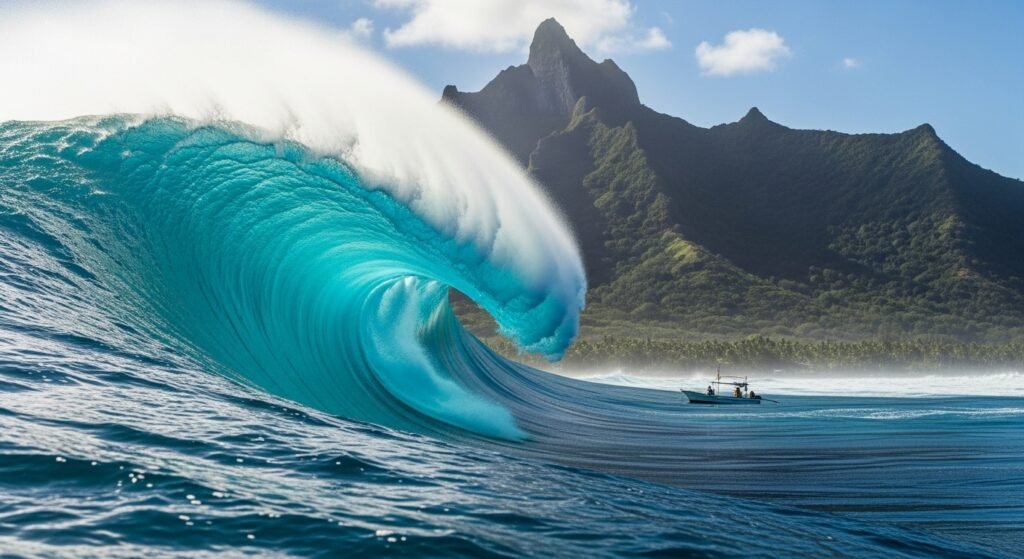
Teahupoʻo is a world-famous surf break on the south shore. It is known for having some of the thickest and most dangerous waves.
- Professional Surfing: It was chosen as the surf spot for the Paris 2024 Olympics.
- Boat Tours: The wave is far from shore, so you need a boat to see it up close.
- Season: The best time to watch the big waves is from May to August.
- Black Sand: The beach at Teahupoʻo is a beautiful spot even if you don’t surf.
Snorkeling and Diving Hotspots
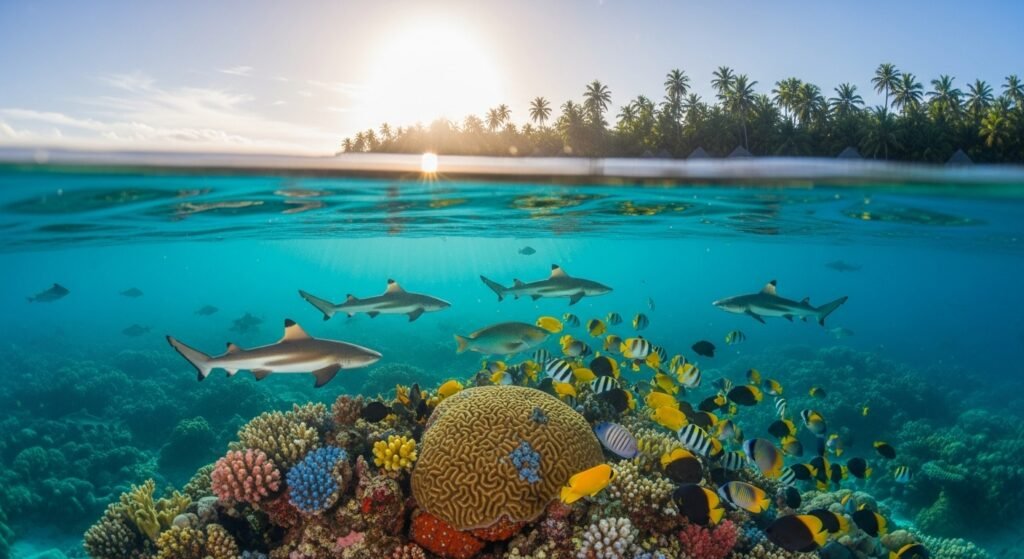
The clear waters of the South Pacific are perfect for exploring underwater. You can find vibrant coral reefs just off the shore.
- Lagoonarium de Tahiti: This is a natural aquarium where you can see stingrays and sharks.
- Punaauia Beach: There are great coral reefs right off the beach here.
- Faa’a Lagoon: A beautiful spot known for its coral gardens.
Marine Life Encounters
You will likely see a lot of animals when you get in the water. It is a big part of the local tourism experience.
- Reef Sharks: These are very common and usually leave people alone.
- Stingrays: You can often find them gliding through the shallow lagoons.
- Distance: Always keep your distance to stay safe and respect the animals.
Whale Watching Season
If you visit between July and November, you might see humpback whales. Many boat tours take visitors out to see these giants. It is a magical experience that you will never forget.
Iconic Beaches of Tahiti
Tahiti has a variety of beaches that range from white sand to volcanic black sand. Each one has its own special vibe.
Plage Vaiava (The Snorkeler’s Choice)
This west-side beach is widely known for great snorkeling. It is a popular spot for both locals and tourists.
- Access: It is easy to get to and has a nice shore for relaxing.
- Snorkeling: You can see plenty of fish without having to swim too far out.
Plage de Taharuu (Black Sand Beauty)
This is a beautiful black sand beach on the south shore. It is a great place to catch a sunset.
- Hot Sand: The black sand can get very hot in the middle of the day.
- Surfing: Since it is not protected by a reef, you will see surfers here.
- Swimming: Be careful with the shore break when you go for a swim.
Point Venus and Lafayette Beach
Point Venus is a scenic peninsula on the northern coast. It has a lot of history and a pretty lighthouse.
- History: This is where Captain Cook watched the transit of Venus in 1769.
- Lighthouse: The lighthouse dates back to 1869 and still works today.
- Family Friendly: The shallow waters are ideal for kids to play and swim.
- Lafayette Beach: This beach offers a panoramic view over to Moʻorea.
Tahitian Gastronomy: A Taste of the Islands
Eating local food is one of the best things to do in Tahiti. The cuisine mixes French and Polynesian styles into something unique.
Signature Dishes to Try
You cannot visit without trying the local delicacies. Coconut and fish are the stars of most meals.
- Poisson Cru: This is fresh raw fish marinated in lime and coconut milk.
- Firi Firi: These are tiny donuts made with coconut milk and are very popular.
- Vanilla Sauce: Tahitian vanilla is world-famous and often served with fish and rice.
Dining Experiences
There are many ways to enjoy a meal on the island. You can go from high-end resorts to local street food.
- Hotel Buffets: Some hotels serve Poisson Cru even for breakfast.
- The Roulottes: These are local food trucks that gather in the evenings.
- Ma’a Tahiti: This is a traditional feast often cooked in an underground oven.
Cultural Etiquette and Local Traditions
Respecting the local culture will make your trip much better. The people of Tahiti are warm and friendly.
The Art of the Tatu (Tattoo)
Tattoos have a deep spiritual meaning in Polynesian culture. You will see many locals with beautiful, intricate designs. Some travelers choose to get a traditional tattoo as a permanent memory of their trip.
Understanding Mana
Mana is a word you will hear often in the islands. It represents a spiritual power or life force that resides in people and places. When you visit sacred sites like a Marae, remember to be quiet and respectful.
Basic Tahitian Phrases
Learning a few words shows that you care about the local culture.
- Ia Orana: This means hello and is used by everyone.
- Mauruuru: This is how you say thank you.
- Nana: Use this when you are saying goodbye.
Photography and Social Media Tips
Tahiti is a dream for photographers. From the mountains to the sea, there is a photo waiting at every turn.
Best Sunset Locations
The west coast is the place to be when the sun starts to go down.
- Plage Vaiava: A great spot to capture the sky turning pink over the water.
- Hotel Pools: Places like the Hilton Tahiti offer amazing sunset views.
Drone Regulations in Paradise
If you bring a drone, be careful where you fly it. Do not fly over private property or crowded beaches. Always respect the peace and quiet of the nature around you.
Essential Gear and Packing List
Packing the right gear can make or break your adventure. You need things that can handle both the sun and the rain.
The International Travel Checklist
- SafetyWing Insurance: This is a cheap and reliable travel insurance for nomads.
- High SPF Sunscreen: The sun is very strong, so high protection is a must.
- Bug Spray: You will need this for any jungle hikes or waterfall visits.
Hiking Specific Gear
- Osprey Water Bladder: A 3L bladder is best for long hikes like Mont Aorai.
- Heel Protectors: These are cheap and help prevent blisters on long trails.
- Black Diamond Headlamp: Essential if you start your hike before sunrise.
- Rain Shell: A quality rain shell is better than a standard jacket.
Snorkeling Equipment
- Quality Mask: Buy your own mask like a Riffe Mantis before you arrive.
- Snorkel: Having your own is more comfortable than using a used rental.
Luxury and Relaxation
Not everything in Tahiti has to be a high-energy adventure. Sometimes the best thing to do in Tahiti is just to slow down.
The Resort Experience
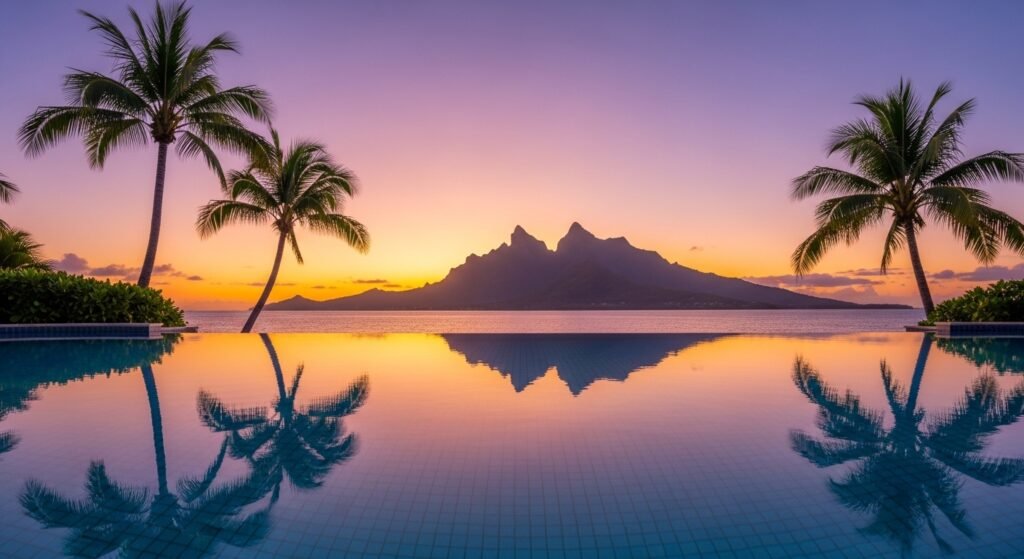
Staying at a nice resort can be a highlight of your trip.
- Hilton Tahiti: This hotel has one of the most beautiful pools on the island.
- Sunset Cocktails: Sipping a drink while watching the ferries is a perfect rest day.
Wellness and Tahitian Spa Treatments
Many resorts offer traditional massages using local oils. Monoi oil, made from coconuts and Tiare flowers, is famous for its scent and skin benefits. It is a great way to recover after a long day of hiking.
Seasonal Events and Festivals
If you time your trip right, you can see some amazing local events.
The Heiva i Tahiti
This is the biggest cultural festival of the year. It usually happens in July and features traditional dance and singing. It is a powerful display of Polynesian pride and talent.
Billabong Pro Teahupoʻo
This surf competition attracts the best surfers in the world. Even if you don’t surf, the energy in the town of Teahupoʻo is electric during this time.
Beyond Tahiti: Island Hopping
Tahiti is just the beginning of your French Polynesia journey. Many people head to Moʻorea next.
Connecting to Moʻorea
The ferry to Moʻorea is easy and fast. You can see the neighboring island’s mountains from the shores of Tahiti.
- Ferry Ride: It is a short trip that takes you to a different kind of paradise.
- Different Vibes: Save Moʻorea for relaxing beach days and Tahiti for hiking.
Final Disclaimer and Safety Tips
- Stray Dogs: You might see stray dogs at some beaches like Venus Point.
- Hydration: Always carry more water than you think you need for hikes.
- Permits: Don’t forget to get your permits for valleys that require them.
- Respect: Always follow the signs and respect the local land.
| Activity | Difficulty | Best Time | Location |
| Mont Aorai Hike | Hard | Early Morning | Papeʻete / Interior |
| Papeete Market | Easy | Sunday 5 AM | Downtown Papeʻete |
| Teahupoʻo Viewing | Moderate | May – August | South Shore |
| Venus Point | Easy | Sunset | North Coast |
| Fautaua Valley | Moderate | Morning | Near Papeʻete |
Tahiti is a place of incredible beauty and deep culture. Whether you are climbing the highest peaks or eating fresh fish by the ocean, you will find something to love. Make sure to put these things to do in Tahiti on your itinerary for an unforgettable trip. Have a great adventure in the South Pacific!
Frequently Asked Questions about Tahiti
What is the local currency and can I use US Dollars?
The official currency is the Pacific Franc (CFP). While some large resorts might accept US Dollars at a poor exchange rate, almost all local markets, roulottes, and small shops require CFP. It is best to withdraw local cash from ATMs at the airport or in Papeete.
Is tipping expected in Tahitian restaurants?
Tipping is not a part of Polynesian culture and is generally not expected. Prices on menus are typically all-inclusive. If you receive truly exceptional service at a high-end resort, a small gesture is appreciated but never mandatory.
What are the power outlet types used on the island?
Tahiti primarily uses Type E and Type C power outlets, which are the same as those found in France and much of Europe. The standard voltage is 220V. Travelers from North America will need a plug adapter and potentially a voltage converter for older electronics.
Can I drink the tap water in Tahiti?
In the city of Papeete and at major international resorts, the tap water is generally safe to drink. However, in more rural areas or on the smaller peninsula of Tahiti Iti, it is recommended to stick to filtered or bottled water to avoid stomach upset.
What should I wear to respect local customs?
The vibe is very casual, but Polynesians value modesty when not at the beach. It is respectful to wear a cover-up or shirt when walking through town or entering shops. When visiting a Marae (sacred site), ensure your shoulders and knees are covered.
How do I get from the airport to my hotel at night?
Taxis are the only reliable option for late-night arrivals as the public bus system stops running early. There is a taxi stand right outside the arrivals hall. Be prepared to pay a night surcharge which usually kicks in after 8:00 PM.
Is there reliable high-speed internet on the island?
Major hotels offer decent Wi-Fi, and 4G coverage is actually quite good around the perimeter of the island. You can purchase a local Vini or Vodafone SIM card at the airport or in Papeete for much cheaper data than international roaming.
What is the “Tahiti Pearl” tax I keep hearing about?
There is no specific “tax” for pearls, but there are strict export regulations. Ensure you buy from reputable dealers who provide an official certificate of authenticity. You will need this for customs to prove the pearls were legally cultured and to potentially claim a VAT refund.
Are there any dangerous animals or insects on land?
There are no poisonous snakes or large predators in Tahiti. The main concerns are mosquitoes, which can carry Dengue fever, and centipedes, which have a painful bite. Always use repellent when heading into the lush interior or valleys.
Do I need to know French to get around?
While French is the official language, English is widely spoken in tourist areas and hotels. Learning basic Tahitian greetings like “Ia Orana” goes a long way in building rapport with locals, but you won’t struggle to find help in English.
What are the Sunday operating hours for shops?
Most shops and grocery stores close by midday on Sunday or stay closed entirely. The exception is the Papeete Market, which is most active in the early morning. Plan your shopping and gas refills for Saturday to avoid being stuck.
Is it easy to find vegetarian or vegan food?
Traditional Tahitian food is heavy on fish and pork, but the French influence means most restaurants are happy to accommodate. You will find plenty of fresh tropical fruits and vegetable-based sides like breadfruit (uru) and taro at the markets.
Are there public laundry facilities available?
Self-service laundromats are rare outside of the main city center. Most travelers rely on hotel laundry services, which can be expensive. For a longer stay, look for “Libre Service” laundries in the residential areas of Papeete or Punaauia.
What is the drone policy for hobbyists?
You can fly drones for personal use, but you must stay below 120 meters and away from airports, which is tricky in Faa’a. You are strictly forbidden from flying over private resorts or sacred Marae without explicit permission from the owners.
How does the VAT refund work for tourists?
If you spend over a certain amount (usually 5,000 CFP) on items like jewelry or clothing, you may be eligible for a tax refund. Look for “Tax-Free” signs in shop windows and make sure to get the paperwork stamped at the airport before you check in.
Are there sharks in the shallow lagoons?
Yes, you will often see small blacktip reef sharks in the shallow water. They are generally shy and harmless to humans. They are a sign of a healthy reef ecosystem and are a highlight for most snorkelers rather than a danger.
Can I hike without a guide?
Coastal walks and short waterfall paths are fine on your own, but the deep interior and high peaks like Mont Aorai can be dangerous due to rapid weather changes. Hiring a local guide is highly recommended for any trail that isn’t clearly marked.
Is the island accessible for travelers with mobility issues?
Papeete and the major resorts are relatively accessible with ramps and paved paths. However, the natural attractions like the waterfalls, valleys, and black sand beaches often involve uneven terrain that can be challenging for wheelchairs.
What is the best way to handle medical emergencies?
Tahiti has excellent medical facilities, including a large modern hospital (CHPF) in Pirae. It is the medical hub for all of French Polynesia. Always ensure you have travel insurance that covers medical evacuation just in case.
Can I use my drone at Teahupo’o during surf competitions?
During major events like the WSL or Olympics, the airspace is strictly controlled and private drones are usually banned for safety. Always check with event organizers or local police before launching near the surf break.