 Skip to content
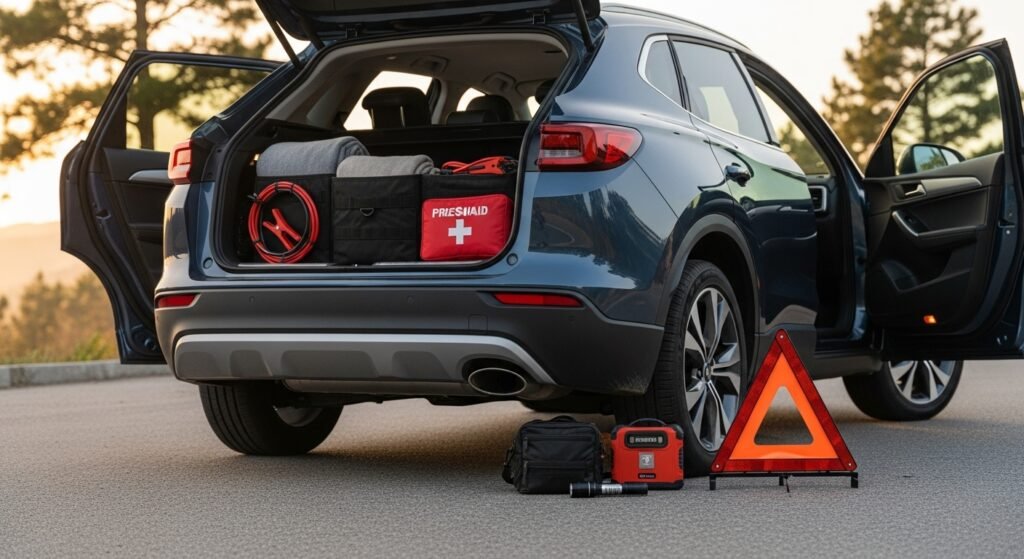
Having a solid plan for your vehicle is a total game changer. Most folks just jump in and drive without a second thought. But you really need a “Go-Bag” for your vehicle to stay ahead of the curve. It is the difference between a minor bummer and a total disaster.
You should know the difference between daily convenience and emergency survival. Some things make your commute smoother while others save your life. Keeping both types of items handy ensures you are ready for anything. It is all about being smart and staying prepared for the road ahead.
Your local weather and driving habits change what you need to carry. A driver in snowy Alaska needs different gear than someone in sunny Florida. Long commutes on rural roads require more backup than short city hops. Always adjust your kit based on where you live and where you go.
The Console & Glovebox: The Small Bag Essentials
The front area of your car is prime real estate for small gear. You should keep a small bag in your glovebox or center console. This bag holds the things you use almost every single day. It keeps your cabin tidy and puts essentials within arm’s reach.
Personal Care & Beauty

- Hand Cream is a huge help during the dry winter months. It keeps your skin from cracking after you use hand sanitizer.
- Lip Care like balms or tinted lipsticks prevents chapped lips on the go. These are small items that make a big difference in comfort.
- Touch-up Makeup such as eyeliner pencils helps you look sharp for meetings. You never know when you might need a quick refresh.
- Fragrance samples are way better than keeping a large glass bottle. Small vials do not spoil in the summer heat or take up room.
- Nail Maintenance with a file is a great way to fix chips. It is a multi-purpose tool that can even help with minor tasks.
- Hair Accessories like ties or scrunchies keep your hair out of your face. They also work as makeshift fasteners if something small breaks.
Hygiene & On-the-Go Cleaning
- Sanitizing Solutions are vital for killing germs after you pump gas. A small bottle of hand sanitizer is one of the top things to keep in your car.
- Wet Wipes are the ultimate tool for cleaning up sticky finger messes. They also help you wipe down spills before they leave a stain.
- Interior Detailing Putty is a fun way to get dust out of vents. It reaches deep into cup holders where rags cannot go.
- Breath Freshness is easy when you keep mints or gum in the tray. It is great for staying alert and fresh during long drives.
Office & Communication Supplies
- Writing Utensils are still super important even with all our tech. A physical pen lets you trade info after a fender bender.
- Charging Hardware includes dedicated cables and power blocks for your phone. Never rely on just one cable that might fail when you need it.
Driver-Seat Safety & Security

Safety is the most important part of your car gear setup. You need tools that you can grab in a heartbeat during a crisis. These items should be mounted or stored right by the driver’s seat. If you cannot reach them while buckled, they are not helping you.
Life-Saving Tools
- Seat Belt Cutter is a must for getting out of a jammed belt. In a crash, the release button might get stuck or be unreachable.
- Window Glass Breaker is a specialized tool to smash side windows quickly. It is essential if your car ends up in water or flipped over.
- Dashcam setups provide the best video evidence for any road accident. They protect you from insurance fraud and help prove what really happened.
Tracking and Fire Safety
- Vehicle Tracking with an AirTag helps you find your car in big lots. It is also a cheap way to track your car if it gets stolen.
- Safe Ignition Sources like matches are better than lighters for car storage. Lighters can leak or explode when the car gets super hot.
Cabin & Backseat: Quick-Access Items
The backseat area is perfect for slightly larger items you still need fast. These things to keep in your car help you deal with the weather. You do not want to dig through the trunk while it is pouring. Keep these behind the seats or on the floorboard for easy access.
Weather Protection
- Umbrella storage in the door pocket keeps you dry during sudden rain. A sturdy, compact umbrella is best for saving space in the cabin.
- Seasonal Winter Tools like snow scrapers are vital for clear visibility. You need to brush off all mirrors and windows before you drive.
Passenger Comfort and Kid-Friendly Essentials
- Travel Blankets and Pillows make long road trips much more pleasant. They are also helpful if you have to wait for a tow truck.
- Entertainment Backups like books or tablets keep kids quiet and happy. Always have a few toys that stay in the car permanently.
- Backseat Organizers hang on the seats to hold snacks and water. They keep the floor clean and everything within a child’s reach.
Trunk & Cargo Area: The Emergency Heavy-Lifters
The trunk is where you keep the big stuff for major problems. This is the heart of your emergency roadside assistance strategy. Most of these items are things you hope you never have to use. But you will be so glad they are there when things go wrong.
Medical Preparedness
- The Mini First Aid Kit should be the first thing in your trunk. It needs bandages and gauze to stop any minor bleeding. You also want antiseptic wipes to clean out small cuts. Don’t forget pain relievers and any meds your family needs daily.
- Extended Medical Supplies go beyond the basics for bigger emergencies. A tourniquet and splints can be real lifesavers in remote areas. Keep allergy meds like EpiPens if anyone has severe reactions.
Mechanical & Roadside Assistance

- Jumper Cables or a portable jump starter can save your whole day. Portable units are great because you do not need another car’s help.
- Tire Maintenance tools like a pressure gauge are essential for safety. A portable air compressor lets you fill a low tire anywhere.
- Reflective Safety Gear like vests makes you visible to other drivers. Use road flares or triangles to mark your spot on the shoulder.
- Basic Tool Kit should have screwdrivers, pliers, and a socket set. A simple multimeter can help you find electrical issues fast.
- Fluid Backups like oil and coolant are great for older vehicles. Always keep a spare bottle of washer fluid for messy roads.
Logistics & Utility
- Transport Tools like a mini trolley help with heavy cargo loads. Collapsible crates keep your groceries from rolling around the back.
- Spare Footwear such as hiking shoes are perfect for unplanned walks. They are much better than flip-flops if you have to hike for help.
- Emergency Blankets provide thermal protection if your heater fails. These foil blankets reflect your body heat to keep you warm.
- Multi-Purpose Tape like duct tape can fix a loose bumper temporarily. It is also great for patching a leaking hose in a pinch.
Sustenance and Survival
If you get stuck far from town, you need to eat and drink. You should treat your car like a tiny survival shelter. Having these things to keep in your car provides total peace of mind. It keeps you calm while you wait for a rescue team.
Hydration and Nutrition
- Water Storage is the most critical part of your survival kit. Use non-perishable pouches that do not leak or crack in the cold.
- High-Calorie Snacks like protein bars or nuts provide lasting energy. Choose foods that can handle being in a hot car for months.
- Portable Filtration tools like a LifeStraw are great for off-roaders. They let you drink from streams if you run out of bottled water.
Light and Energy
- High-Lumen Flashlight helps you see what you are doing at night. A heavy-duty light can also be used for signaling for help.
- Headlamp use is the best way to keep your hands free for repairs. It makes changing a tire in the dark much safer and faster.
- Power Banks keep your phone alive when the car battery is dead. Solar chargers are a cool backup for long-term power needs.
Seasonal Adaptations

You need to change your gear as the seasons shift around you. A summer kit is very different from a winter survival setup. Check your gear twice a year to make sure it is right. This keeps your kit light and focused on the current risks.
Summer-Specific Additions
- Sunscreen and After-Sun Gel protect your skin during roadside waits. Getting a bad sunburn while waiting for a tow is the worst.
- Insulated Cooler Bag keeps your drinks cool on a hot summer day. It prevents your snacks from melting into a big mess.
- Microfiber Towels are great for wiping away sweat or drying off. They take up very little space and dry out super fast.
Winter-Specific Additions
- Hand Warmers are small chemical packs that give off great heat. They are perfect for keeping your fingers nimble during repairs.
- Sand or Kitty Litter provides much-needed traction on icy patches. Pour it under your tires to get moving when you are stuck.
- Heavy-Duty Sleeping Bag is for staying safe in sub-zero temps. It is way more effective than just a light blanket for warmth.
Legal and Administrative Preparedness
Do not forget the paperwork that keeps you out of legal trouble. You need to be ready for police stops or insurance claims. Keep these things to keep in your car in a safe spot. This makes stressful situations much easier to handle.
- Document Organizer keeps your registration and insurance papers dry. Use a waterproof folder so they do not get ruined by spills.
- Physical Maps are a lifesaver when your phone has no signal. You cannot always rely on GPS when you are in the mountains.
- Emergency Contact List should be printed out on a piece of paper. If your phone dies, you still need to know who to call.
- Spare Cash hidden in the car can pay for gas or a tow. Some places do not take cards when their systems go down.
Organizational Strategies for Your Kit

A messy kit is a useless kit when you are in a rush. You need a system to keep everything in its proper place. Proper organization makes your car feel bigger and cleaner. It also makes finding your gear a total breeze.
- Modular Packing uses clear pouches to group similar items together. It lets you see exactly what is inside without opening every bag.
- The Reach Test ensures your safety tools are extremely close. You should be able to touch your glass breaker in five seconds.
- Regular Audits involve checking your kit every few months. Replace old meds and check the batteries in your flashlights.
- Weight Distribution keeps the heavy gear low and over the axles. This helps your car handle better and stay more stable.
Conclusion
Building a car kit is the smartest move any driver can make. It gives you the confidence to handle any curveball on the road. From small beauty items to big survival gear, every piece counts. Start small and keep adding until you feel totally prepared.
Maintaining your car essentials kit is a year-round job. Your needs will change as you drive to different places. Keep this guide handy to make sure you never miss a thing. Safe driving starts with being ready for the unexpected.
| Essential Item | Key Benefit |
| Hand Cream | Prevents skin cracking and dryness from weather or sanitizer. |
| Lip Balm | Keeps lips hydrated and prevents painful chapping. |
| Nail File | Fixes snags and serves as a minor prying tool. |
| Hand Sanitizer | Kills germs quickly after pumping gas or touching public surfaces. |
| Wet Wipes | Cleans up sticky spills and messes on the dashboard or skin. |
| Seat Belt Cutter | Allows for instant escape if a seat belt jams after a crash. |
| Window Breaker | Breaks side glass for a fast exit if doors won’t open. |
| Dashcam | Provides video proof for insurance claims and accident reports. |
| Reflective Vest | Makes you visible to other drivers while working on the roadside. |
| Pen and Paper | Essential for exchanging insurance info or jotting down notes. |
| Charging Cables | Ensures your phone stays powered for GPS and emergency calls. |
| Jump Starter | Revives a dead battery without needing another vehicle. |
| Tire Pressure Gauge | Helps maintain proper inflation for safety and fuel economy. |
| Duct Tape | Offers temporary fixes for loose trim, hoses, or light covers. |
| Snow Scraper | Clears ice and snow for a safe, unobstructed view of the road. |
| Umbrella | Keeps you dry during sudden storms or long walks to a store. |
| First Aid Kit | Treats minor wounds and manages pain until help arrives. |
| Water Pouches | Provides vital hydration during long delays or breakdowns. |
| Protein Bars | Offers long-lasting energy when you are stranded or hungry. |
| Flashlight | Illuminates repairs and signals for help in total darkness. |
| Physical Maps | Guides you when GPS signals fail in remote or rural areas. |
| AirTag / GPS Tracker | Helps locate your car in parking lots or tracks it if stolen. |
| Kitty Litter | Provides grit and traction for tires stuck on ice or mud. |
| Travel Blanket | Keeps passengers warm during winter waits or long trips. |
| Power Bank | Recharges devices when the car’s electrical system is dead. |
FAQs About Things to Keep in Your Car
How often should I check my car kit?
You should check your gear at least twice a year. A good time is when the seasons change from hot to cold. Check for expired food, dead batteries, and old medicines.
Where is the best place to store a glass breaker?
It must be within reach of the driver’s seat. The center console or a door pocket is usually the best spot. Do not put it in the trunk where you cannot get it.
Can I leave water bottles in a hot car?
It is better to use BPA-free bottles or special water pouches. Regular plastic bottles can leak chemicals when they get too hot. Always rotate your water supply to keep it fresh.
What food lasts the longest in a car?
Hard candy, protein bars, and nuts are usually the best. Avoid things that melt like chocolate or soft fruit snacks. Dry goods in sealed packs handle the heat much better.
How should I store a fire extinguisher in my vehicle?
You should mount a small, automotive-grade fire extinguisher in the trunk or under the passenger seat. Make sure it is secured with a bracket so it does not roll around. Check the pressure gauge once a month to ensure it is still charged.
Is it safe to keep a power bank in a hot car during summer?
It is generally not safe to leave lithium-ion batteries in a car when temps exceed ninety degrees. The heat can cause the battery to swell or even catch fire. Store your power banks in an insulated bag or take them with you when you leave the car.
What kind of spare fuses should I carry for my car?
You should carry a variety pack that includes different amp ratings like ten, fifteen, and twenty. Refer to your owner’s manual to see if your car uses mini, micro, or standard fuses. Having a fuse puller tool makes the replacement job much easier and faster.
How do I maintain a wooden handled tool in my car kit?
Wooden handles can dry out and crack due to the extreme temperature changes inside a vehicle. Rub the handle with a little bit of linseed oil once a year. This keeps the wood flexible and prevents it from splintering when you need to use it.
Should I keep a physical copy of my car owner’s manual?
Yes, a physical manual is better than a digital one if your phone battery dies. It shows you exactly where your fuse box and jack points are located. Many modern cars have digital screens that might not work if your battery is dead.
Can I store a gallon of gasoline in my trunk for emergencies?
You should never store a gas can inside the cabin or trunk of your car. The fumes are highly flammable and very toxic to breathe in an enclosed space. If you are worried about running out, carry an empty, approved gas can to use later.
What is the best way to store a tow strap?
Fold your tow strap neatly and keep it in a heavy-duty storage bag in the trunk. Ensure the hooks are free of rust and the fabric has no frays or tears. A dirty or wet strap should be dried completely before you pack it away.
Is it worth carrying a portable jump starter if I have cables?
A portable jump starter is a huge upgrade because you do not need a second vehicle. It allows you to get back on the road even if you are totally alone. Most of these devices can also charge your phone or laptop in a pinch.
How do I prevent my emergency snacks from attracting pests?
Always store your food in airtight plastic or metal containers to block any smells. Mice and ants can easily find their way into a car if they smell an open granola bar. Clean out any crumbs from your seats and floor regularly to keep bugs away.
Should I keep a spare key hidden on the outside of my car?
Using a magnetic key box on the frame is a common trick but it can be risky. Thieves know the usual hiding spots like the wheel well or bumper. A better move is to keep a spare key in your wallet or with a trusted friend nearby.
What is the shelf life of road flares?
Most chemical road flares have a shelf life of about three to four years. After that time, the chemicals might degrade and the flare may fail to ignite. Check the expiration date printed on the side of the flare every time you audit your kit.
Can I use a regular blanket instead of a space blanket?
A regular wool or fleece blanket is much more comfortable for sleeping or staying cozy. However, a space blanket is better for reflecting body heat and takes up almost no room. It is smart to carry both for different types of emergency situations.
How much cash should I keep hidden in my car?
Keeping around fifty to one hundred dollars in small bills is usually enough for most emergencies. This can pay for a few gallons of gas or a meal if credit card machines are down. Hide it in a spot that is not obvious, like inside the owner’s manual.
What should I do if my hand sanitizer leaks in the car?
Wipe it up immediately because the alcohol can damage the plastic or leather surfaces of your interior. Hand sanitizer is also flammable, so you do not want a large pool of it sitting in the heat. Check the cap seal on your bottles every few months.
Is it legal to carry a pocket knife in my car kit?
Laws vary by state, so you should check your local regulations regarding blade length and type. Generally, a small folding knife or a multi-tool is legal and very useful for many tasks. Keep it stored in your glovebox or center console for quick access.
Should I carry a full-sized spare tire or a donut?
A full-sized spare is much safer and allows you to drive at normal speeds for longer distances. Donut tires are only meant for short trips at low speeds to get you to a repair shop. If your car has the space, a full-sized tire is always the better choice.
How do I keep my car documents from fading in the heat?
Store your insurance and registration in a high-quality, UV-resistant organizer or folder. Keep this folder inside the glovebox where it is shielded from direct sunlight. Sunlight can turn thermal paper receipts and documents blank over time.
What kind of light is best for working under the car at night?
A magnetic LED work light is perfect because it sticks to the metal frame or hood. This allows you to work with both hands free while the light stays focused on the engine. Look for a rechargeable model that uses a standard USB cable.
Can I use a trash bag as an emergency poncho?
Yes, a heavy-duty contractor bag is a great multi-purpose item for your car kit. You can cut holes for your head and arms to stay dry during a sudden downpour. It can also be used to sit on if the ground is wet or muddy.
Should I include a whistle in my car survival kit?
A whistle is a very loud and effective way to signal for help if you are stranded. It uses much less energy than shouting and the sound carries much further in the woods. Attach it to your car key ring or keep it in the driver’s door pocket.