 Skip to content
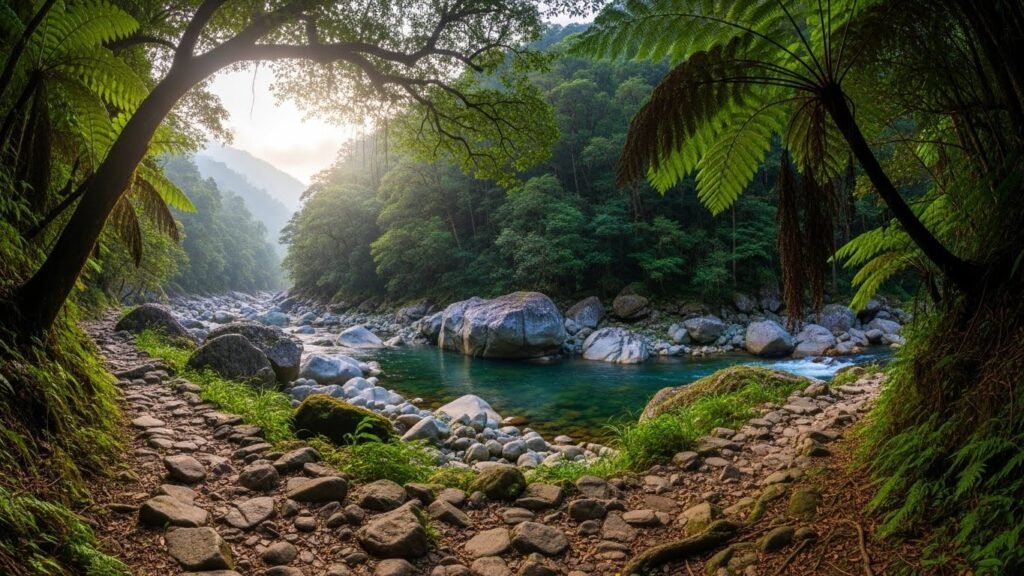
Tonghou is a hidden gem tucked between the mountains of Wulai and Yilan. This place is a real paradise for anyone who loves fresh air and wild views. You will find lush forests and clear rivers that make you feel miles away from the city. The vibe here is totally chill and perfect for a weekend escape. It is one of those spots where you can just breathe and relax.
Overview of Tonghou: Taiwan’s Hidden Wilderness
The Tonghou area is famous for its raw and wild beauty. It sits right in the heart of northern Taiwan’s sub-tropical jungle. You will see emerald-green trees and river valleys that look like a movie. The mist often covers the mountain ridges in the morning. This makes the whole place feel super magical and mysterious.
The climate in this region is pretty mild all year long. It is a great sanctuary if you want to dodge the heat in Taipei. The air is crisp and way cleaner than in the urban areas. You can visit any time and still have a blast. Most people love how the temperatures stay cool under the thick canopy.
Nature lovers will go crazy for the ecological diversity here. Many rare bird species and colorful butterflies live in these woods. The flora is thick and mostly untouched by big construction. You might even spot some unique animals if you stay quiet. It is a protected zone that keeps Taiwan’s natural spirit alive.
- Location & Vibe: Tonghou is a secret spot that offers a total break from city life.
- Landscape: The area features thick jungles, winding trails, and peaceful water spots.
- Climate: You can explore here year-round thanks to the pleasant weather.
- Wildlife: It is home to many birds and forest creatures in their natural home.
History and Cultural Significance
The Tonghou Traversing Trail has a very deep and cool history. Long ago, the Atayal tribe used these paths as a vital route. They traveled between Wulai and Yilan for trade and hunting. It was a key way for different groups to talk and share goods. These indigenous historic trails are part of Taiwan’s soul.

As time went on, the trail changed from a trade route to a park. In the late 20th century, people realized how beautiful it was. They started working hard to save the forest and promote eco-tourism. Now, it is a place where you can learn about nature and history. It is not just a walk; it is a lesson in the past.
Walking here feels like stepping back into ancient times. You can see old landmarks and trees that have stood for centuries. The trail tells the story of early settlers who braved the wild. Every step you take follows the path of ancestors from the Atayal tribe. It is a living legacy that remains mostly untouched today.
- Indigenous Roots: The Atayal people used this for hunting and moving between regions.
- Trade Connection: It served as a main link for sharing goods across the mountains.
- Modern Conservation: The trail is now protected to keep the jungle safe and healthy.
Trail Logistics: Difficulty, Distance, and Timing
The Tonghou trail is rated as moderate in difficulty. This means it is great for beginners who have a little energy. Experienced hikers will also find it fun and rewarding. The paths are mostly well-kept and easy to follow. You don’t need to be a pro to enjoy this adventure.
Most people take about 3 to 5 hours to finish the hike. This depends on how many photos you stop to take. If you walk fast, you can finish it pretty quickly. But most folks like to linger and soak in the views. It is a perfect length for a solid day trip.
The terrain is a mix of flat roads and dirt paths. You will find some gentle slopes that are easy on the legs. There are a few steep climbs that might make you huff and puff. But the panoramic vistas at the top make it all worth it. The trail often follows the river, so it stays fairly level.
| Feature | Detail |
| Difficulty | Moderate |
| Time | 3 – 5 Hours |
| Trail Type | Linear / Thru-hike |
| Terrain | Dirt, steps, and asphalt |
The Best Nature Trails in the Tonghou Area
There are several paths you can explore in the Tonghou region. Each one offers a different kind of scenery and vibe. Some are short and easy, while others are a bit longer. You can pick the one that fits your mood for the day. No matter which you choose, the views will be awesome.

Willow Creek Trail
This trail is perfect for families with kids or older folks. It winds through lush greenery and stays mostly flat. You will see a lot of small plants and pretty flowers. The slopes are very gentle, so you won’t get too tired. It is a great way to start your day in the forest.
Mountain Ridge Path
This one is for the hikers who want a real workout. It features some exhilarating climbs up the mountain side. Once you get to the top, the views are absolutely insane. You can see all the way to the Pacific Ocean on clear days. It is a challenge that pays off with epic photos.
Lakeside Loop
If you want something super chill, hit the Lakeside Loop. This trail goes around tranquil waters that are very peaceful. It is a flat path that is great for a slow stroll. Birdwatchers love this spot because many unique birds hang out here. It is the best place to just sit and reflect on life.
Off-the-Beaten-Path Hiking Spots
Sometimes the main trail can get a little busy on weekends. If you want more privacy, look for the secret spots. Tonghou has several paths that most tourists don’t know about. These areas feel even more wild and untouched. You can truly get lost in the beauty of the woods.
Whispering Pines
This secluded section takes you through very old pine trees. The air smells amazing because of all the pine needles. You can hear the wind rustling through the branches like a whisper. It is a very quiet area that feels almost like a dream. Most people skip this, so you might have it all to yourself.
Misty Ridge Trail
This route is often covered in a thick, white fog. It gives the forest a ghostly and beautiful look. The trail sits high up and sometimes goes above the clouds. It is a lesser-known path that offers total solitude. You will feel like you are on top of the world here.
- Whispering Pines: A quiet spot with ancient trees and a peaceful vibe.
- Misty Ridge: A high trail that is often foggy and very private.
Must-Visit Scenic Highlights
You cannot go to Tonghou without seeing the top spots. These highlights are what make the area famous for travelers. They are the most beautiful parts of the whole mountain range. Make sure your phone is charged because you will take many photos. Each spot has its own unique charm and natural power.

Lake Serenity
This lake has crystal-clear water that looks like a giant mirror. It reflects the green hills and the blue sky perfectly. It is probably the best place for photography in the whole park. Many people come here just to sit by the water and relax. The atmosphere is incredibly calm and very recharging.
Whispering Pines Valley
This valley is a hotspot for all kinds of rare plants. You can find giant ferns and colorful wildflowers everywhere. It is a deep-forest experience that shows off the raw wild. The sounds of the forest are very loud and clear in this valley. It is a great place to see the biodiversity of Taiwan.
Geological Wonders
The river has spent years carving out cool rock formations. You can find large boulders and strange stone shapes along the banks. There are also hidden streams that pop out of the ground. These small waterfalls are like secret treasures found in the jungle. Exploring the rocks is a lot of fun for kids and adults.
Advanced Activities for Thrill-Seekers

For some people, just walking is not enough adventure. Tonghou offers several ways to get your adrenaline pumping. These activities require a bit more skill and some extra gear. But they give you a perspective of the trail you can’t get elsewhere. It is the perfect place to push your limits.
River Trekking and Water Skills
The Tonghou River is famous for its clean and cool water. You can try river trekking by walking right through the stream. You will need to learn how to cross shallow points safely. There are many natural swimming holes where you can dive in. It is the ultimate way to stay cool on a hot summer day.
High-Altitude Adventures
- Rock Climbing: Some of the steep cliffs are perfect for climbing. You get a massive view once you reach the top of the ledge.
- Paragliding: If you are really brave, you can fly over the whole valley. You will see the mountains from a bird’s perspective.
- Mountain Biking: There are rugged roads that are great for off-road bikes. It is a fast and bumpy way to see the scenery.
- Night-time Trekking: You can join a guided tour to see the forest at night. It is a totally different world under the stars.
Photography and Observation Guide
Tonghou is a dream come true for anyone with a camera. The light in the forest changes constantly throughout the day. You can capture everything from dark woods to bright mountain peaks. It is all about being in the right place at the right time. Even a basic phone can get some incredible shots here.

Capturing the Sea of Clouds
One of the most famous sights is the sea of clouds. This happens when the mist settles low in the river valley. The best time to see this is very early in the morning. You should head to the higher ridges to look down on the fog. Make sure to bring a waterproof bag for your gear.
Birdwatching and Wildlife Spotting
Keep an eye out for the Formosan Blue Magpie along the trail. It is a beautiful bird with a long tail and bright colors. During the spring, thousands of butterflies fill the air. You can see them gathering near the wildflowers in the valleys. Staying quiet is the secret to seeing the most animals.
Practical Planning and Preparation Tips
A good trip starts with a solid plan before you leave. You don’t want to get stuck in the woods without the right stuff. Checking the weather and packing right is super important. Tonghou is remote, so you need to be self-sufficient. It is better to be safe than sorry when you are in the wild.
Best Time to Visit and Seasonal Shifts
Spring and fall are the absolute best times to go. The weather is usually stable and not too rainy. In the summer, the river is great for swimming but it is humid. Winter can be very wet and the stones get super slippery. Most hikers prefer early March or late November for the best views.
Packing Essentials and Gear Selection
- Layered Clothing: Temperatures change fast as you go up the mountain.
- Technical Footwear: Sturdy hiking boots are a must for the rocky paths.
- Digital Tools: Download offline maps because cell service is patchy.
- Hydration: Bring at least 2 liters of water and some energy snacks.
Safety, Permits, and Etiquette
You might need a permit to enter certain forest areas. It is smart to check the Hsinchu Forest Bureau website first. Always tell a friend where you are going before you start. Make sure to follow the Leave No Trace rules and take your trash home. Respect the local Atayal community and their sacred lands.
Extending the Adventure: Exploring Wulai and Yilan
The Tonghou trail connects two of the coolest places in Taiwan. You can spend a few days exploring both sides of the mountain. Wulai is famous for its culture and huge waterfalls. Yilan is known for its wide plains and yummy food. It makes sense to turn your hike into a bigger vacation.

Cultural and Natural Stops in Wulai
Wulai Waterfall is one of the tallest in all of Taiwan. It is a stunning sight that you can see from the road. After that, visit the Atayal Museum to learn about the locals. You can also walk down Wulai Old Street for some tasty snacks. Try the mountain boar sausage for a real local treat.
Post-Hike Relaxation in Yilan
Once you finish the hike in Yilan, head to the hot springs. Soaking your tired muscles in mineral water feels amazing. Afterward, go to the Dongmen Night Market for a big dinner. The scallion pancakes there are some of the best in the world. It is the perfect way to end a long day of trekking.
Vehicle Permit Checklist for Tonghou
If you plan to drive into the tonghou forest road, you must follow the vehicle control rules set by the Hsinchu Forest Bureau. Use this list to stay organized:
- Online Application: You must apply through the official forest bureau website before your arrival.
- Personal Identification: Have your ID card or passport details ready for every person in your group.
- Vehicle License Plate: You need the exact plate number of the car or scooter you will be driving.
- Date of Entry: Pick your specific travel date, as permits are only valid for the day you choose.
- Contact Information: Provide a local phone number so the bureau can reach you for weather alerts.
- Entry Window: Remember that most permits require you to enter during specific morning hours.
- Hard Copy or Digital QR: Keep a printed copy or a clear screenshot of your approval on your phone.
Why the Permit Matters
The tonghou forest road is narrow and sits in a sensitive remote wilderness area. The bureau uses this system to prevent traffic jams and protect the natural beauty of the sub-tropical jungle.
- Vehicle Control: This limits the number of cars to keep the trail quiet and peaceful.
- Safety: In case of heavy rain or landslides, the bureau uses your info to make sure everyone is safe.
- Eco-tourism: Limiting visitors helps the local flora and fauna thrive without too much stress.
Conclusion: Why Tonghou Belongs on Your Bucket List
The Tonghou Traversing Trail is a special place that has it all. It mixes physical challenge with a deep sense of peace. You get to see the best of Taiwan’s nature and learn about its history. It is a journey that connects you with the earth in a real way. Whether you go for the views or the sweat, you won’t regret it.
Adding this trail to your bucket list is a great idea for any traveler. It is an adventure that will leave you with memories for a lifetime. The “unforgettable moments” are waiting for you between Wulai and Yilan. So grab your boots and get out there to explore!
FAQs About the Tonghou Traversing Trail
How do I get to the trailhead from Taipei?
The easiest way to reach the start is to take the MRT to Xindian Station. From there, you should hire a taxi or use a private vehicle to reach the Xiaoyi Village area in Wulai where the trail begins.
Is there a vehicle control system on the forest road?
Yes, the Hsinchu Forest Bureau often implements vehicle control on the Tonghou Forest Road to prevent overcrowding. You should check current regulations to see if you need to apply for a vehicle entry permit in advance.
What is the specific distance of the thru-hike?
The main traversing trail is a linear path that connects Wulai to Jiaoxi in Yilan. The total distance of the hiking section is roughly 7 kilometers, though walking the forest road adds significant distance.
Can I see Turtle Island from the trail?
When you reach the higher elevations near the Yilan border, you can get a clear view of the Lanyang Plains. On a clear day, you can see the Pacific Ocean and the iconic shape of Turtle Island in the distance.
What kind of forests will I walk through?
The trail passes through a dense sub-tropical jungle filled with broad-leaved forests. You will see massive giant ferns and silver grass swaying in the wind as you move toward the Yilan side.
Are there stream crossings on the main path?
The trail is famous for its river-side sections and involves several stream crossings. Some parts have stable bridges, while others might require stepping across stones in the Tonghou River.
Is the trail path natural or paved?
Most of the trail consists of compact soil and natural forest floor. To help with elevation changes, the forest bureau has installed wooden steps and stone steps in the steeper areas.
What is the history of the trail as a migratory route?
Beyond trade, the trail was a major migratory route for the Atayal tribe as they moved to find new hunting grounds. It represents a deep connection between the indigenous people and the wilderness.
Did Typhoon Soudelor affect the trail?
Yes, Typhoon Soudelor caused significant damage to the Tonghou area in the past. While the trail has been restored, you may still see signs of the powerful landscape changes caused by the storm.
Where can I find the artificial dam?
Along the Tonghou River, you will encounter an old artificial dam. It is a popular spot for photography because of the way the water cascades over the structure like a wide waterfall.
Can I do an out-and-back hike instead of a thru-hike?
While many people do a linear thru-hike to Yilan, you can certainly treat it as an out-and-back trail. Simply hike to the midpoint or the border and return to your starting point in Wulai.
Is the trail suitable for mountain biking?
Some sections of the Tonghou Forest Road and parts of the trail are used for mountain biking. However, the narrow wooden steps and steep stone sections make it a technical challenge for cyclists.
What are the best months for birdwatching?
Early March and May are fantastic for spotting songbirds and migratory species. The biodiversity in the lush greenery makes it a top destination for bird enthusiasts.
How high is the elevation at the trail peak?
The trail reaches a moderate altitude as it crosses the mountain range. While it is not a high-alpine trek, the elevation is enough to offer cool relief from the sub-tropical heat.
Are there guided tours available?
Yes, local eco-tourism groups often offer guided tours that explain the history of the Atayal tribe. These guides provide local tips on navigation and wildlife spotting that you might miss on your own.
What should I look for in the flora and fauna?
Keep an eye out for the unique songbirds that live in the broad-leaved forest. The area is also known for its giant ferns that give the trail a prehistoric look.
Is National Highway 3 the best way to drive there?
If you are coming from other parts of Taiwan, taking National Highway 3 to the Xindian exit is the standard route. From there, you follow the mountain roads into the Wulai district.
Can I swim near the artificial dam?
The pools around the river-side hike are often used for swimming during the summer. Always check the water depth and flow before entering the stream.
What is the best way to handle the Lanyang Plains descent?
As you finish the trail toward Yilan, the path drops down toward the Lanyang Plains. This section offers beautiful views but can be hard on the knees, so trekking poles are helpful.
Is there asphalt road on the trail?
The beginning of the journey follows the Tonghou Forest Road, which is an asphalt surface. Once you enter the actual traversing trail, it transitions into a natural wilderness path.