
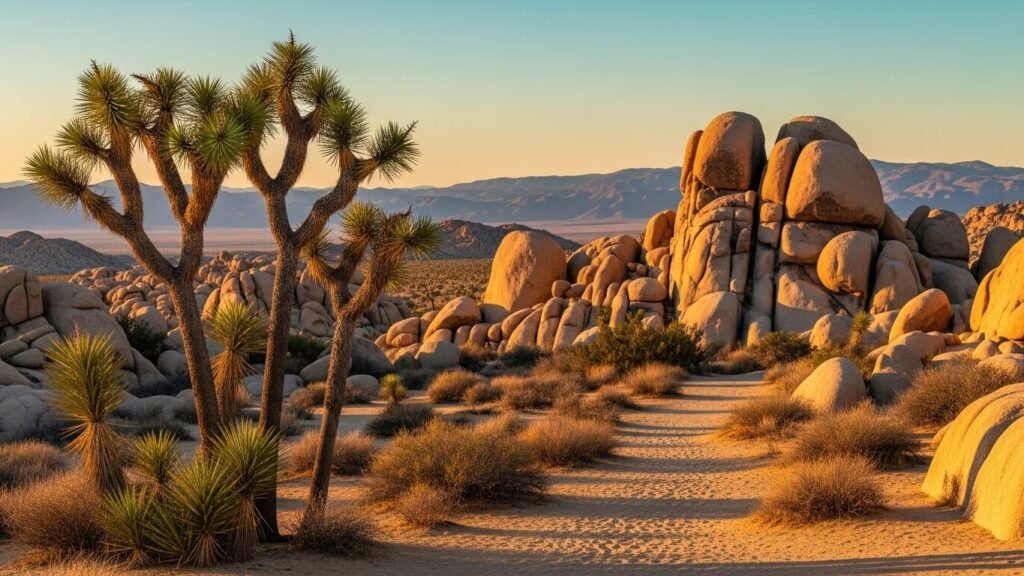
Joshua Tree National Park is a giant desert playground. It has amazing rocks and weird trees that look like they belong in a Dr. Seuss book. Kids love this place because they can climb on almost everything. It is one of the best spots for a family road trip in California. You will find endless desert views and cool trails for all ages.
The park is famous for its unique Joshua Trees that fill the landscape. These plants are not actually trees but a type of yucca. They create a very strange and beautiful scene for your photos. Rock climbing is a huge deal here, even for beginners. Many joshua tree hikes let your kids scramble over boulders for hours.
This guide will show you the best trails for little explorers. We have picked the top spots that are short and fun. You will learn where to find hidden ruins and cool rock shapes. Let’s get ready to explore this sandy wonderland together. Your next big family adventure starts right here.
Planning Your Family Adventure
Picking the right time to visit is very important. The desert can get super hot in the summer months. It is best to visit during the spring or fall seasons. The weather is much nicer for walking and climbing then. Always check the weather forecast before you leave your house.
- Check the map: Use the brochure map setting on the park website for better details.
- No cell service: Download your maps at home because the park has no signal.
- Pack water: Bring way more water than you think you will need for everyone.
- Wear layers: The desert gets cold fast once the sun goes down in the evening.
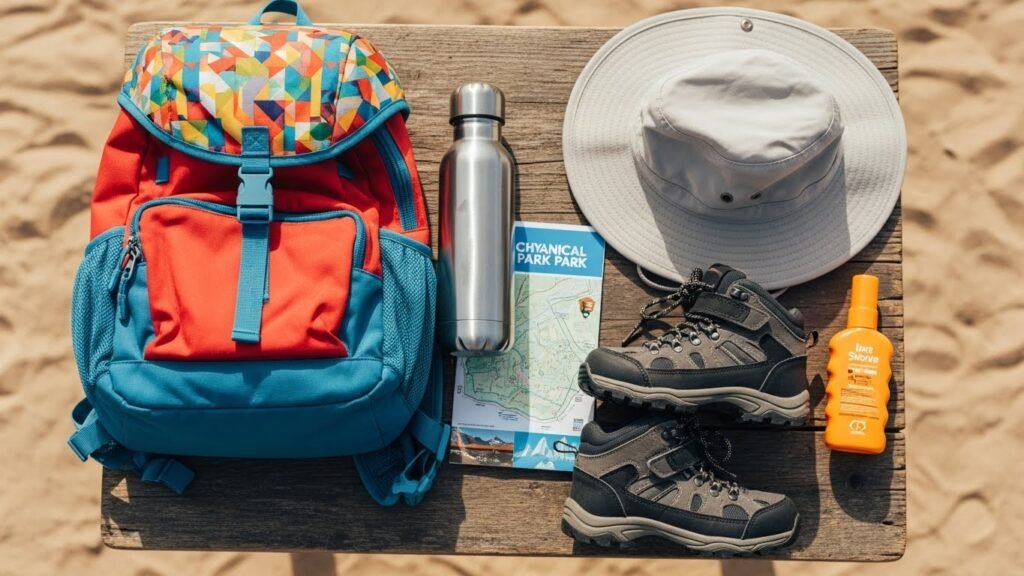
Navigating the park can be a bit tricky for new visitors. The park website has a map that you can change for easier reading. Make sure you switch it to the brochure map view. This will help you find the trailheads and bathrooms much faster. It makes the whole trip way less stressful for parents.
You also need to think about your gear for the day. Kids should wear sturdy shoes with good grip for the rocks. Sunscreen and hats are a must because the sun is very strong. Bringing plenty of snacks will keep the little ones happy on the trail. A simple first aid kit is also a smart thing to pack.
Hidden Valley: The Must-Do Experience
Trail Overview and Logistics
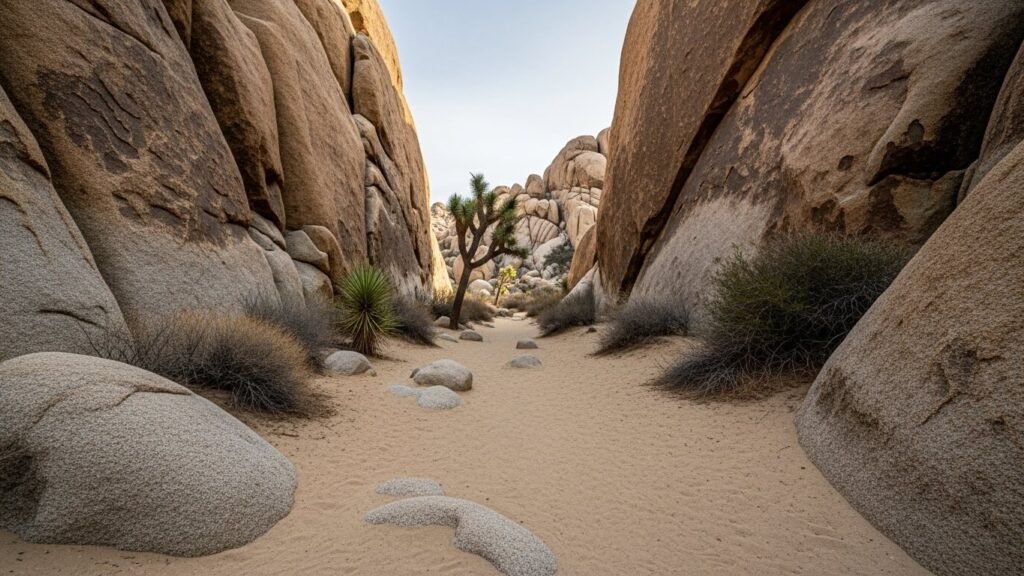
Hidden Valley is the top choice for many families visiting the park. It is a 1.0-mile loop that is full of adventure. The trail goes through a valley surrounded by tall rock walls. Legend says that cattle rustlers used to hide their herds in here. It feels like entering a secret room made of stone.
- Trail length: This hike is a simple 1.0-mile loop for all ages.
- Restrooms: You will find pit toilets located right at the main parking lot.
- Picnic area: There are tables nearby if you want to eat lunch after your hike.
- Parking lot: This lot is large but it can fill up very fast on weekends.
The landscape here is truly beautiful and full of desert life. You will see many different types of plants and cool rock shapes. The trail is mostly flat once you get inside the valley area. It is a great place for kids to run and explore safely. Most families spend about an hour or two enjoying this specific spot.
Hiking Strategy for Parents
You can hike this loop in two different directions. Most people recommend going clockwise by turning left at the start. This puts the best rock scrambling at the very end of the hike. It helps keep kids excited when they start to feel a little tired. The rocks act as a great reward for finishing the walk.
- Clockwise route: Best for keeping kids motivated with fun rocks at the end.
- Counter-clockwise: Some prefer this to avoid a small uphill climb at the finish.
- Keep eyes open: Watch your kids closely because some rocks are higher than others.
- Take breaks: There are plenty of shady spots behind big rocks to rest.
Activity Highlights
The rock scrambling here is the main event for most children. They can spend a long time climbing on the smaller boulders near the path. It is a natural jungle gym that never gets boring for them. Just make sure they stay within your sight at all times. The rocks provide a great workout and build a lot of confidence.
- Desert plants: Look for diverse vegetation as you walk through the valley floor.
- Rock shapes: Try to find rocks that look like animals or funny faces.
- Photography: The tall rock walls make a perfect background for family photos.
- Wildlife: You might see lizards or small birds scurrying through the brush.
Cap Rock: Short Distance, High Reward
Accessibility and Trail Features
Cap Rock is a perfect choice if you have very small children. The trail is only 0.4 miles long and very easy to follow. It is located right in the middle of the park for easy access. The path is well-marked and stays mostly on level ground. This makes it manageable for toddlers and even some strollers.
- Short loop: This 0.4-mile path is the shortest hike on our list.
- Easy path: The trail is well-defined so you won’t get lost.
- Great views: You get amazing views of Joshua Trees in every single direction.
- Facilities: The trailhead has a parking lot, pit toilets, and picnic tables.
Scenic Highlights
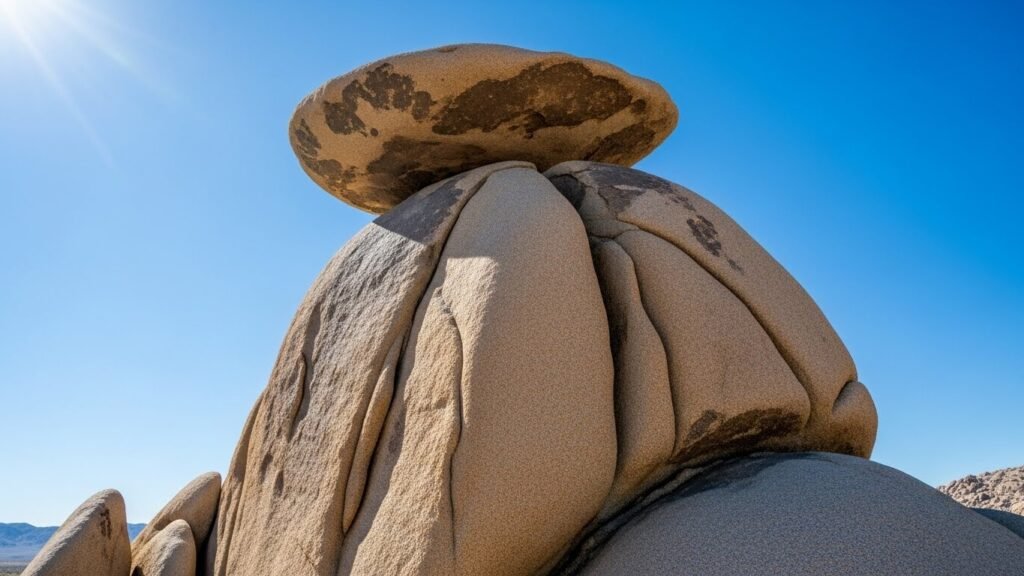
This area is famous for the giant rock that looks like it is wearing a cap. Kids love pointing it out as you drive up to the parking lot. There are also many large rocks right next to the trail for easy climbing. If you stay on the path, it is a very gentle walk for everyone. It is a great spot for a quick sunset view.
- Joshua Trees: This is one of the best places to see many trees close together.
- Climbing rocks: Plenty of boulders are available for kids who love to scramble.
- Nature signs: Read the signs along the way to learn about the local environment.
- Sunset spot: The open views make this a favorite place for evening photos.
Discovery Trail: Designed for Kids, by Kids
The “For Kids by Kids” Philosophy
The Discovery Trail is a very special place in Joshua Tree National Park. It was actually planned and built by local school children. This means the features are exactly what kids want to see on a hike. It is one of the top recommendations from park rangers for families. The trail feels like a path built just for your little ones.
- Kid-friendly: Every part of the trail was designed with children in mind.
- Ranger pick: Many rangers say this is the best trail for young explorers.
- Educational: The signs explain the desert in a way that is easy to understand.
- Fun features: Look for the narrow rock alleys that are fun to walk through.
Key Trail Landmarks
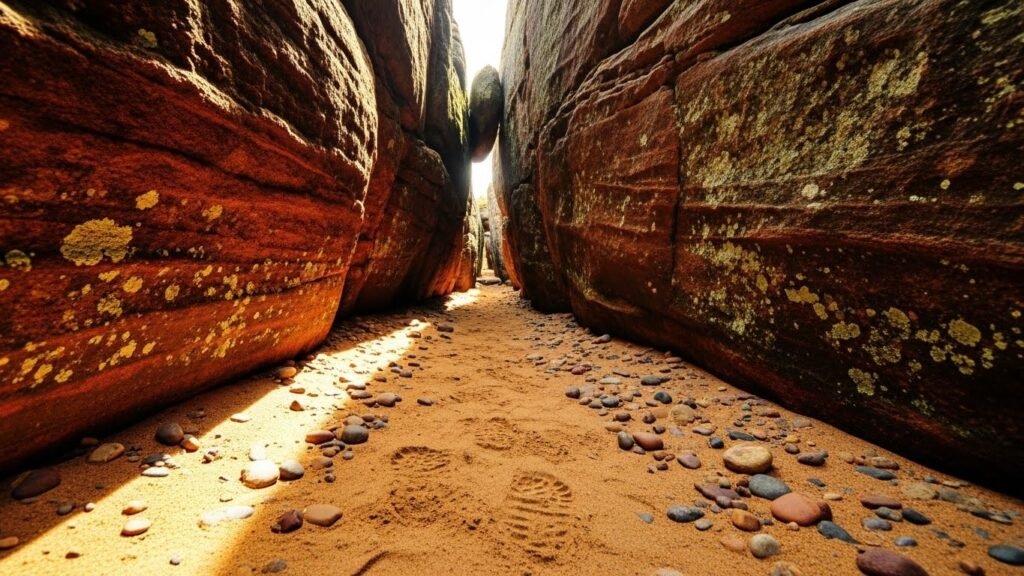
One of the coolest things here is the set of fixed binoculars. They are located about halfway through the hike for viewing distant sights. Kids love taking turns looking through them at the mountains. The trail also has many narrow passages between rocks that feel like a maze. It keeps the hike interesting from start to finish.
- Binoculars: Use the built-in binoculars to see far across the desert floor.
- Rock alleys: Walk through tiny gaps in the rocks for a fun adventure.
- Skull Rock: The trail is right across the road from this famous rock shape.
- Varied plants: You will see a lot of different desert bushes and flowers.
Parking and Logistics Challenges
Finding a spot to park here can be a little bit difficult. You usually have to park on the side of the road because there is no lot. Since it is near Skull Rock, the area gets very crowded during the day. It is a good idea to arrive early to find a safe spot. Be careful when walking across the road with your kids.
- Road parking: Be prepared to park along the shoulder of the main road.
- No toilets: There are no restrooms located at this specific trailhead.
- Busy area: Expect lots of people because Skull Rock is a major park attraction.
- Bathroom rules: If you must go, pee on the sand and not on the plants.
Barker Dam: History and Wildlife
Searching for Desert Wildlife
Barker Dam is the place to go if you want to see animals. Many people come here hoping to spot the elusive desert bighorn sheep. These animals often come to the area to look for water or shade. It is a very exciting experience for kids to see wildlife in the wild. Just remember to keep a safe distance and stay quiet.
- Bighorn sheep: Keep your eyes peeled for these sheep on the rocky cliffs.
- Best times: Visit early in the morning or near sunset for the best luck.
- Quiet hiking: Remind kids to be quiet so they don’t scare the animals away.
- Small creatures: Look for lizards, squirrels, and many types of desert birds.
The Historic Dam Loop
This 1.0-mile loop trail takes you past a real piece of history. The dam was built a long time ago by cattle ranchers to hold water. While it is often dry now, it is still very cool to see the structure. The trail also offers some of the most beautiful rocky views in the park. It is an easy walk that feels like a trip back in time.
- Historic dam: See the old wall that ranchers built to survive the desert.
- Easy loop: The trail is just over one mile and very easy for children.
- Rocky scenery: Enjoy the massive boulders and rock piles along the entire path.
- Facilities: You will find a parking lot and a pit toilet at the trailhead.
Cultural Significance
There is more to see here than just rocks and a dam. You can find ancient petroglyphs left behind by native people. These are cool drawings on the rocks that tell a story from long ago. It is a great chance to talk to your kids about history and respect. Please make sure no one touches or defaces these special markings.
- Petroglyphs: Look for the ancient rock art near the end of the loop.
- History lesson: Talk about the people who lived here hundreds of years ago.
- Don’t touch: Remind everyone that oils from hands can damage the old art.
- Stay on trail: Follow the signs to find the art without getting lost.
Arch Rock: The Quest for Natural Wonders
Trail Trek to the Arches
Arch Rock is the longest hike on our list of favorites. It is a 1.4-mile round trip that goes out and back. The first part of the trail is very flat and easy to walk. It eventually leads you into a massive pile of rocks and boulders. This hike is great for older kids who have a bit more energy.
- Out and back: This is a 1.4-mile total trip to the arch and back.
- Flat start: The beginning of the hike is easy and level for everyone.
- Rock playground: The trail ends in a huge area perfect for climbing.
- Distance: This is the longest “top 5” hike for kids in the park.
Famous Formations
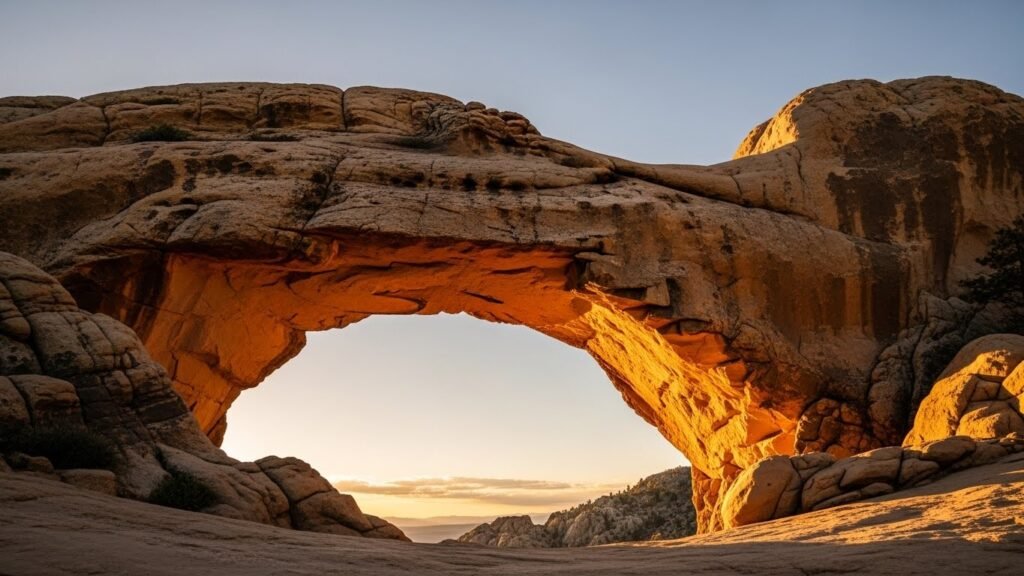
The main goal of this hike is to see the natural stone arch. It is a massive bridge made of rock that looks amazing in photos. There is also a nearby rock that looks exactly like a giant heart. Kids love finding these special shapes hidden among the other boulders. It feels like a treasure hunt in the middle of the desert.
- Arch Rock: See the famous natural bridge made of solid stone.
- Heart Rock: Look for the rock shaped like a heart just a short walk away.
- Scrambling: There are many spots to climb up and get a closer look.
- Photo ops: These formations are some of the most famous spots in the park.
Additional Short Hikes and Nature Walks
Cholla Cactus Garden
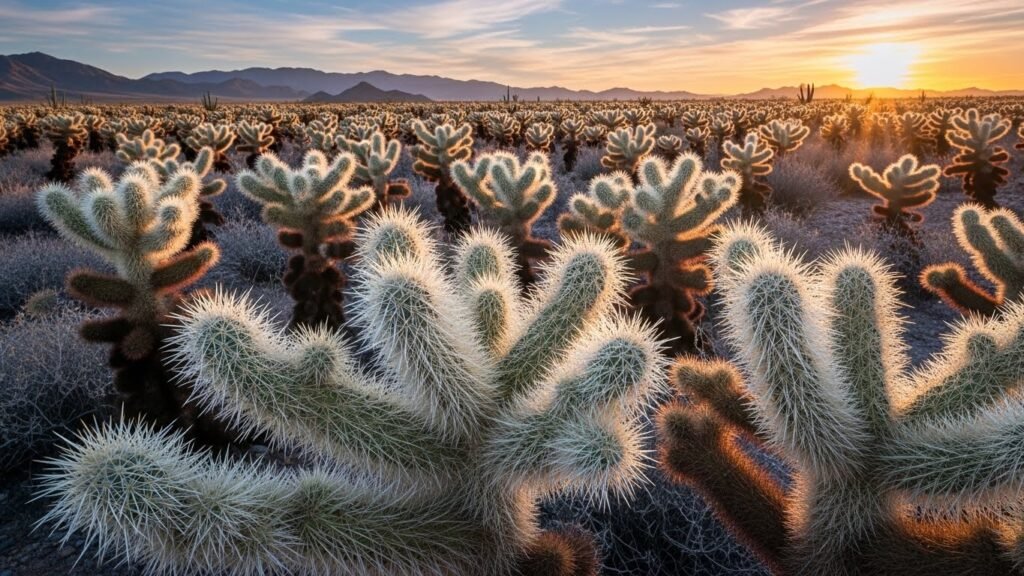
The Cholla Cactus Garden is a very unique and beautiful stop. It is a short 0.2-mile walk through thousands of fuzzy-looking cacti. While they look soft, they are actually very dangerous to touch. They are called “jumping” cacti because they stick to you very easily. It is a place where you must keep your children very close.
- Short walk: The path is only 0.2 miles and very easy to navigate.
- Jumping cacti: These plants have barbs that latch on if you brush them.
- Keep back: Make sure kids do not touch or even get close to the plants.
- Unique view: This is one of the densest cactus forests in the entire park.
Keys View Trail
If you want a great view without a long walk, go to Keys View. This trail is only 0.25 miles long and it is paved. From the top, you can see the San Andreas Fault and the whole valley. On clear days, you can even see all the way down into Mexico. It is a very impressive sight that doesn’t take much effort to reach.
- Paved path: The 0.25-mile loop is easy for strollers and wheelchairs.
- Big views: See the Coachella Valley and the famous fault line below.
- Windy spot: It can get very windy at the top, so hold onto your hats.
- Quick stop: You can see everything in just about fifteen or twenty minutes.
Bajada Nature Trail
The Bajada Nature Trail is located near the south entrance of the park. This area is part of the Colorado Desert and looks very different. There are no Joshua Trees here, but there is plenty of soft sand. It is a great place for kids to play and get some energy out. You can learn a lot about how plants survive in this drier climate.
- Nature trail: Use this stop to learn about the southern desert plants.
- Sandy fun: Kids love playing in the deep sand found in this section.
- No Joshua Trees: This part of the park has a completely different look.
- Energy burner: A perfect spot to stop after a long drive into the park.
Essential Safety and Ethics in the High Desert
Staying Hydrated and Sun Protected
Safety is the most important part of any desert trip with kids. The dry air can make you thirsty before you even realize it. Everyone in the family should drink water constantly throughout the day. Don’t wait until someone says they are thirsty to offer a drink. Keeping everyone hydrated will prevent headaches and grumpy moods.
- Drink often: Take small sips of water every ten to fifteen minutes.
- Sunscreen: Apply a high SPF sunscreen before you start your first hike.
- Wear hats: Wide-brimmed hats provide much-needed shade for faces and necks.
- Salt snacks: Bring snacks with a little salt to help keep energy levels up.
Wildlife Safety
The animals in Joshua Tree are wild and should stay that way. It is important to teach kids never to feed the squirrels or birds. Feeding them makes them sick and teaches them bad habits. If you see a snake or a larger animal, give it plenty of space. Most desert creatures just want to be left alone to do their jobs.
- No feeding: Never give your snacks to any animals you see in the park.
- Watch feet: Look where you are stepping to avoid hidden holes or snakes.
- Stay on path: Walking on the trail protects the tiny plants and soil crust.
- Respect space: Use your binoculars to watch animals from a safe distance.
Rock Climbing Safety for Non-Climbers
Scrambling on rocks is the best part of joshua tree hikes for kids. However, it does come with some risks that parents should manage. Always check if a rock is stable before letting a child climb up. Make sure they have a clear path to get back down safely. It is often much harder to go down than it is to go up.
- Supervision: Stay within arm’s reach of younger children on tall boulders.
- Check grip: Make sure shoes are tied tight and have good rubber soles.
- Know limits: Don’t let kids climb higher than you feel comfortable with.
- One at a time: Ensure only one person is climbing a narrow spot at once.
Conclusion and Final Recommendations
Joshua Tree is a wonderful place for families to connect with nature. The short trails and big rocks make it a perfect outdoor classroom. Your kids will remember climbing the boulders and seeing the strange trees forever. It is a park that rewards curiosity and a sense of adventure. We hope this guide helps you have a safe and amazing trip.
Remember to plan ahead and check the conditions before you go. The desert is beautiful but it requires some respect and preparation. Pack your water, grab your map, and get ready for some fun. There are so many joshua tree hikes waiting for your family to explore. What will be your favorite trail in this magical desert wonderland?
- Hidden Valley: Top choice for 1.0-mile loop and great scrambling.
- Cap Rock: Best for tiny kids with a very short 0.4-mile path.
- Discovery Trail: Interactive fun designed specifically for children.
- Barker Dam: Great for seeing wildlife and learning local history.
- Arch Rock: A slightly longer hike to see amazing natural formations.
Frequently Asked Questions About Joshua Tree Hikes
What is the best time of day to start joshua tree hikes?
It is usually best to hit the trails right at sunrise. The desert sun gets really intense by noon. Early starts also help you beat the huge crowds at popular spots like Hidden Valley. You will get the best lighting for your photos during the golden hour. Plus, you have a much better shot at seeing wildlife before it gets too hot.
Is there an entrance fee to access joshua tree hikes?
Yes, you have to pay to get into the park. A standard pass usually costs about thirty dollars per vehicle. This pass lasts for seven days so you can come back often. If you visit many parks, think about getting the America the Beautiful pass. It covers your entry for an entire year at all national sites.
Can I bring my dog on joshua tree hikes?
Pets are actually very restricted inside the park. You cannot take your dog on any of the unpaved trails. They are only allowed within a hundred feet of roads and campgrounds. This rule protects the local wildlife and keeps your pet safe from cacti. If you bring a furry friend, they will have to stay at the campsite or in the car.
Are the joshua tree hikes safe for solo hikers?
Hiking alone is okay if you are well-prepared and stay on marked paths. Always tell someone your plans and when you expect to be back. The desert can be confusing, so a physical map is a total lifesaver. Stick to the popular loops where other people are around. It is always safer to have a buddy, but solo trips are doable with caution.
What should I do if I see a rattlesnake on a trail?
Do not panic if you spot a snake while walking. Just stop moving and give the snake plenty of space to crawl away. Most snakes will leave you alone if you don’t bother them. Never try to touch or move a snake with a stick. Just back up slowly and wait for it to clear the path.
Do I need special boots for joshua tree hikes?
You don’t need fancy professional boots for most of the easy trails. However, sneakers with good grip are a must for all that rock scrambling. Avoid wearing flip-flops or sandals on the dirt paths. The ground is rocky and can be very uneven in some spots. Good socks will also help prevent blisters during your long day of exploring.
Is there drinking water available along the joshua tree hikes?
There is almost no water available inside the park once you leave the visitor centers. You must bring all your own water in your car or backpack. Plan for at least one gallon per person per day. It is better to have too much water than to run out in the heat. Fill up your bottles before you enter the park gates.
Are there any stroller-friendly joshua tree hikes?
Most trails are too sandy or rocky for a standard stroller. Lower Keys View is paved and works well for wheels. Cap Rock is flat and might work with a rugged jogging stroller. For most other trails, a hiking carrier for your back is a much better choice. It lets you go over the rocks without any trouble.
Can I hike in Joshua Tree during the summer?
Hiking in the summer is actually very dangerous due to extreme heat. Temperatures often go way above a hundred degrees. If you visit in July or August, stick to very short walks at dawn. Most rangers suggest staying off the trails after ten in the morning. Summer is a better time for driving tours with the air conditioning on.
Where is the best place to see the sunset after joshua tree hikes?
Keys View is the most famous spot to watch the sun go down. It offers a massive view of the valley and distant mountains. You can also find great sunset views at Cap Rock or along the Hidden Valley trail. The rocks turn a beautiful orange color as the sun hits them. Be sure to arrive early to grab a good parking spot.
Are there any guided joshua tree hikes led by rangers?
Yes, the park service offers ranger-led programs throughout the year. You can join a walk to learn about plants, stars, or park history. Check the visitor center schedule when you arrive for the daily times. These walks are a great way to get expert info for free. They are usually very family-friendly and easy to follow.
What is the closest town to the joshua tree hikes?
The town of Joshua Tree is right outside the West Entrance. It has cute shops, cafes, and places to grab a quick bite. Twentynine Palms is located near the North Entrance and has more hotels. Both towns are great spots to stay if you aren’t camping. You can find gear and extra water in these local spots.
Do I need a permit for day joshua tree hikes?
You do not need a special permit for most day trips on the trails. You just need your standard park entrance pass. Permits are only required if you plan on camping in the backcountry overnight. Just show up, park in a legal spot, and start your adventure. Always check for any temporary trail closures at the ranger station.
How do I avoid getting lost on joshua tree hikes?
Stay on the designated trails and watch for the official markers. Many trails use “cairns,” which are small piles of rocks, to show the way. Don’t follow random footprints that lead off into the desert brush. Using a GPS app that works offline can also keep you on the right path. Taking a photo of the trail map at the start is a smart move.
Are there any joshua tree hikes with water or lakes?
Water is very rare in this desert environment. Barker Dam sometimes has a small pool of water after it rains. Don’t expect to see big lakes or rushing rivers on your trip. The “dam” is often just a dry bed during the hot months. It is still a beautiful place to see even without the water.
Can I go rock climbing during my joshua tree hikes?
Scrambling on boulders is allowed and encouraged for hikers. However, technical climbing with ropes requires special gear and knowledge. There are many local guides you can hire to teach you the ropes. If you are just hiking, stick to the low rocks that feel safe. Never jump off a rock if you aren’t sure of the landing.
What is the “Leave No Trace” policy for joshua tree hikes?
This means you should leave the park exactly how you found it. Pack out all your trash, including fruit peels and tissues. Do not take any rocks, plants, or artifacts home with you. Stay on the trails to avoid stepping on the fragile desert soil. Respecting the land ensures it stays beautiful for everyone else.
Are there any joshua tree hikes that lead to caves?
There aren’t many deep caves, but there are lots of “talus” caves. These are small spaces formed by giant boulders piling on top of each other. You can find these little hideouts at Chasm Loop or near Hall of Horrors. They are fun to explore but watch out for spiders or bats. Always bring a flashlight if you plan to peek inside.
Is there a limit to how many people can be on joshua tree hikes?
There is no set limit for people on the trails, but parking is limited. Once a lot is full, you have to find another place to go. Large groups of more than twenty-five people might need a special permit. For a normal family, you can just go and enjoy the space. Mid-week trips are much quieter than busy holiday weekends.
What kind of birds can I see on joshua tree hikes?
You might spot roadrunners darting across the paths during your walk. Red-tailed hawks are also very common and often soar high above the rocks. If you are lucky, you might hear a cactus wren or see a tiny hummingbird. The park is a great place for birdwatching, especially near the oases. Keep your camera ready for these fast-moving friends.