
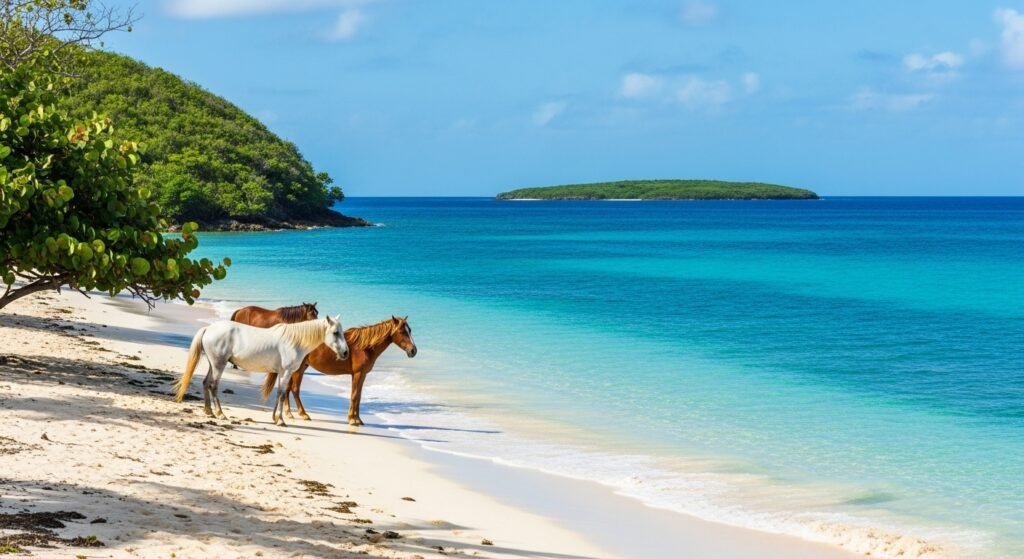
Searching for the perfect island getaway involves finding the best vieques beaches for your style. Vieques is a small island located off the east coast of mainland Puerto Rico. It offers a rugged and barely-touched feel that you won’t find anywhere else in the Caribbean. This place is world-famous for its wild horses and glowing water. You can spend your days beach hopping from one secluded cove to the next. This guide covers everything you need to know about the top vieques beaches.
Introduction to Vieques Island
Vieques offers a unique vibe that is very different from the main island of Puerto Rico. People call it “Isla Nena” because it is like a little sister to the mainland. You will notice a slower pace of life as soon as you step off the boat. There are no stoplights or big hotel chains here. It is all about nature and local charm.
A Different Feel
The island has a raw beauty that feels like stepping back in time. You will find empty dirt roads and plenty of space to breathe. The air is salty and the locals are super friendly to visitors. Most of the island remains undeveloped and wild. It is the perfect spot to disconnect from the busy world.
Historical Context
The United States Military used more than half of the island for decades. They bought the land in the 1940s to test bombs and missiles. This military presence stopped most commercial development on the island. The military left in 2003 after many local protests. Because of this history, the land was protected from big resorts.
Natural Diversity
The island is home to the massive Vieques National Wildlife Refuge. This refuge covers thousands of acres of protected land. You can find various ecosystems like dry forests and lush mangroves. The beaches vary from bright white sand to volcanic black sand. It is a dream spot for anyone who loves the outdoors.
Getting to and Around Vieques
Planning a trip to see the vieques beaches requires a little bit of prep work. You cannot just drive your rental car from San Juan to the island. Most travelers wonder how to make the journey smoothly.
Is Vieques Worth Visiting?
Vieques is absolutely worth every bit of effort to get there. It has a different feel than the mainland because it is so quiet. You should spend at least two or three days to see it all. This gives you time to find your favorite hidden coves. The beaches here are some of the most beautiful in the world.
Vieques vs. Culebra
Both islands are stunning, but they offer very different experiences. Culebra is smaller and famous for the white sand of Flamenco Beach. Vieques is larger and has a much bigger wildlife refuge. Vieques has more variety in its beaches and more dining options. If you want remote exploration, choose Vieques.
Best Side of the Island
The south side of the island has the best vieques beaches for swimming. Most of these are inside the National Wildlife Refuge. The water on the south side is usually calmer and more blue. The north side has more rugged cliffs and the main towns. Most people spend their beach days exploring the southern coast.
Logistics: Getting to Vieques Island
You have two main ways to reach the island from the mainland. You can either take a short flight or hop on the ferry. Your choice depends on your budget and how much time you have. Both options offer great views of the Caribbean sea.
Flying to the Island
Flying is the fastest way to get your vacation started. You can fly from Ceiba or the Isla Grande Airport in San Juan. Companies like Vieques Air Link use small Cessna planes for the trip. The flight from Ceiba only takes about fifteen minutes. It is a thrilling way to see the reefs from above.
The Ceiba Ferry
The ferry is the most affordable way to travel for families. Tickets are only two dollars each way for a thirty-minute ride. The boats are large and comfortable with air conditioning. You should arrive at least thirty minutes before your departure. It is a fun boat ride across the blue water.
Navigating the Ceiba Ferry Terminal
The ferry terminal is located in the town of Ceiba. You will need to park your car in a paid lot nearby. Shuttle buses take you from the parking lot to the terminal. You can buy tickets online or at the window. Make sure to bring a light jacket as the ferry can be chilly.
Transportation on the Island
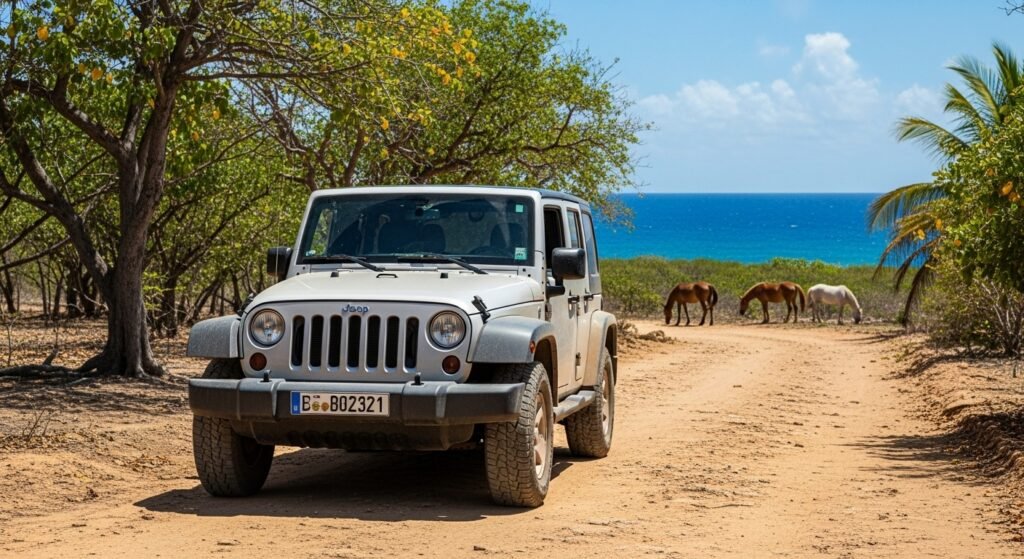
Once you land, you will need a way to get around. The island is bigger than it looks on a map. Walking between the best vieques beaches is not really an option. You will want your own wheels to explore the refuge.
The Necessity of a Vehicle
You definitely need a vehicle to see the best parts of the island. Most of the top vieques beaches are far from the towns. Having a car lets you pack a cooler and stay all day. It gives you the freedom to chase the sun across the coast. Do not rely on walking if you want to see the refuge.
Jeep Rentals vs. Golf Carts
A 4×4 Jeep is the best choice for exploring the dirt roads. Many roads to the best vieques beaches are bumpy and unpaved. Golf carts are fun but can struggle with the deep ruts. We suggest a Jeep if you want to reach the most remote spots. Make sure to book your rental weeks in advance.
Public Transportation (Públicos)
If you don’t rent a car, you can use the públicos. These are shared vans that run between the main towns and beaches. They are a cheap way to get around if you are on a budget. However, they do not go to the more remote refuge beaches. They are best for going between Isabel Segunda and Esperanza.
The Free-Range Horses of Vieques
Horses are everywhere on the island and they roam freely. They are not technically wild because most have owners. You will see them on the roads and even on the beaches. Drive slowly because they often cross the street without warning. They add a magical feel to your beach day.
Essential Visitor Information & Island Etiquette
Being a good guest helps keep the vieques beaches beautiful. There are some rules you should follow to protect the nature. The locals work hard to keep the island clean and safe. Following these tips will make your trip better for everyone.
The “Leave No Trace” Principal
The National Wildlife Refuge is a very special place. Always take your trash back to town with you. Do not take sand, shells, or coral from the refuge. This helps preserve the ecosystem for future generations. If you see trash on the beach, please pick it up.
Sun Protection and Reef Safety
The Caribbean sun is very strong and can burn you fast. Use reef-safe sunscreen to protect the coral reefs. Normal sunscreens have chemicals that can hurt the marine life. Wearing a sun shirt or hat is also a great idea. Stay hydrated by drinking plenty of water throughout the day.
Cell Service and Connectivity
Cell service can be spotty in the National Wildlife Refuge. Download your maps for offline use before you leave town. Most restaurants in Esperanza offer free Wi-Fi for guests. Do not count on having a signal at the more remote beaches. It is a great excuse to put your phone away.
Comprehensive Guide to the 15 Best Beaches on Vieques
Now it is time for the main event: the vieques beaches themselves. Each beach has its own personality and special features. Some are perfect for kids while others are for explorers. Here is the full list of spots you must visit.
Punta Arenas (Green Beach)
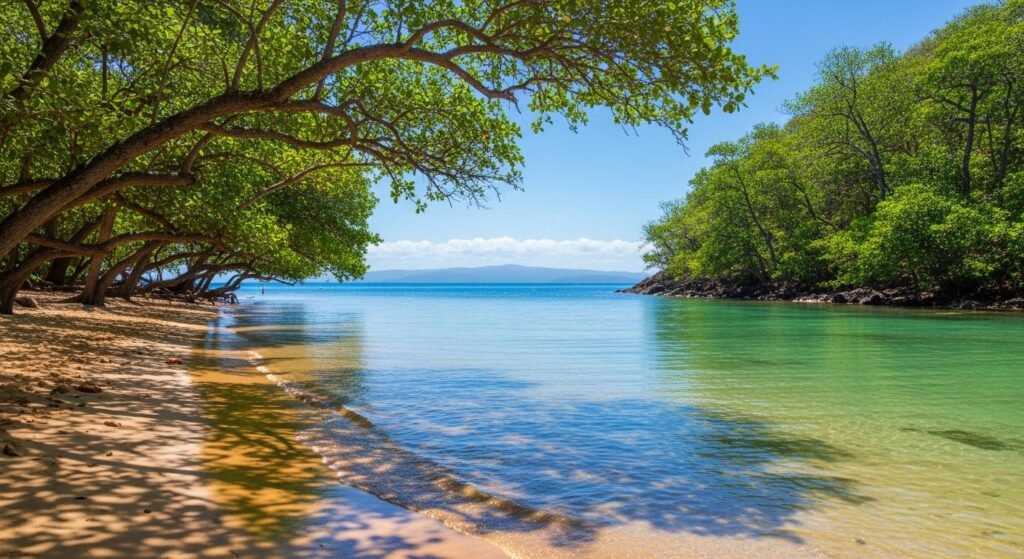
Punta Arenas is located on the far northwest tip of the island. It takes about forty minutes to drive there from town. The road is unpaved and requires a 4×4 vehicle. It is a stunning spot where the jungle meets the sea.
- Snorkeling Hub: The left side of the point has amazing coral reefs.
- Calm Coves: The right side features a protected cove with clear water.
- Island Views: You can see mainland Puerto Rico across the water.
La Chiva (Blue Beach)
La Chiva is often called the best vieques beach by families. It is a long, thin bay with many different access points. The water is so blue it almost looks fake. It is part of the National Wildlife Refuge.
- Parking Spot 7: This area is known for having a soft, sandy bottom.
- Snorkeling Highs: Drive to the higher parking numbers for the best reefs.
- Kid-Friendly: The water stays shallow for a long distance from shore.
Caracas Beach (Red Beach)
Caracas is one of the most popular vieques beaches for a reason. It has a paved road which makes it very easy to reach. The sand is incredibly white and the water is turquoise. It has a few gazebos for shade during the day.
- Body Surfing: The waves here are just right for boogie boarding.
- Accessibility: This is the easiest refuge beach to visit without a Jeep.
- Atmosphere: It is a social beach where you might meet other travelers.
Sun Bay (Playa Sombe)
Sun Bay is the official public beach near the town of Esperanza. It is a massive crescent-shaped bay lined with palms. It has the most amenities of any beach on the island. You will often see wild horses hanging out in the parking lot.
- Full Facilities: This beach has bathrooms, showers, and a small cafe.
- Shady Spots: There are plenty of palm trees to sit under.
- Local Vibe: It is a favorite spot for local families on the weekends.
Playa Negra (Black Sand Beach)
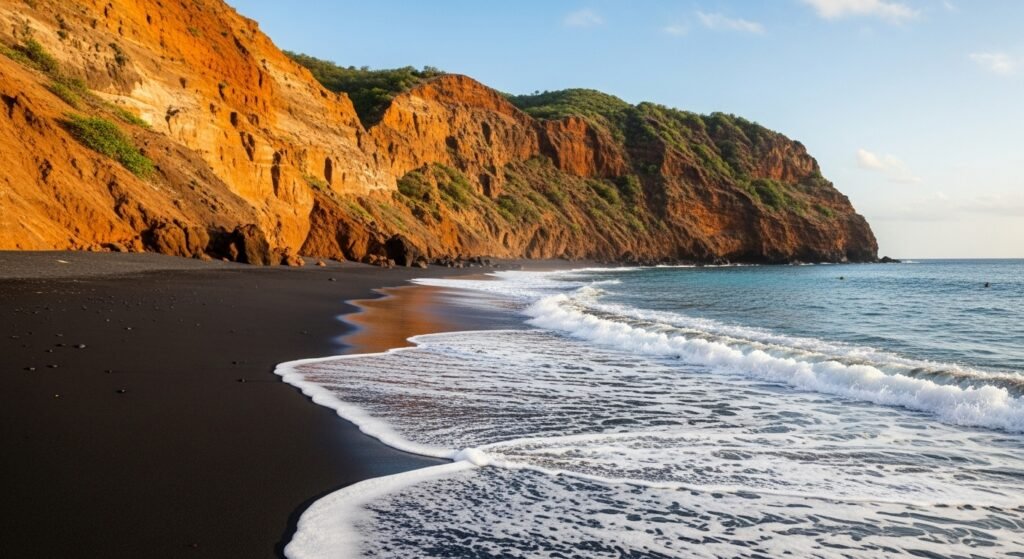
Playa Negra is the only black sand beach on the island. The sand comes from volcanic material washed down by rain. It is a dramatic and moody spot that looks like another planet. You have to hike a trail for about ten minutes to reach it.
- Unique Color: The sand is a dark midnight black and very heavy.
- Cliff Views: Large rusty-orange cliffs tower over the beach.
- The Walk: Wear shoes because the trail can be muddy after rain.
Playa Esperanza
Playa Esperanza sits right in front of the main boardwalk in town. It is not the best for swimming, but it is great for people watching. You can watch the fishing boats come and go from the pier. It is the heart of the social scene in Esperanza.
- Convenience: You are steps away from cold drinks and hot food.
- Sunsets: This is the top spot to watch the sun go down.
- The Pier: Many kids love to jump off the old concrete pier.
Mosquito Pier
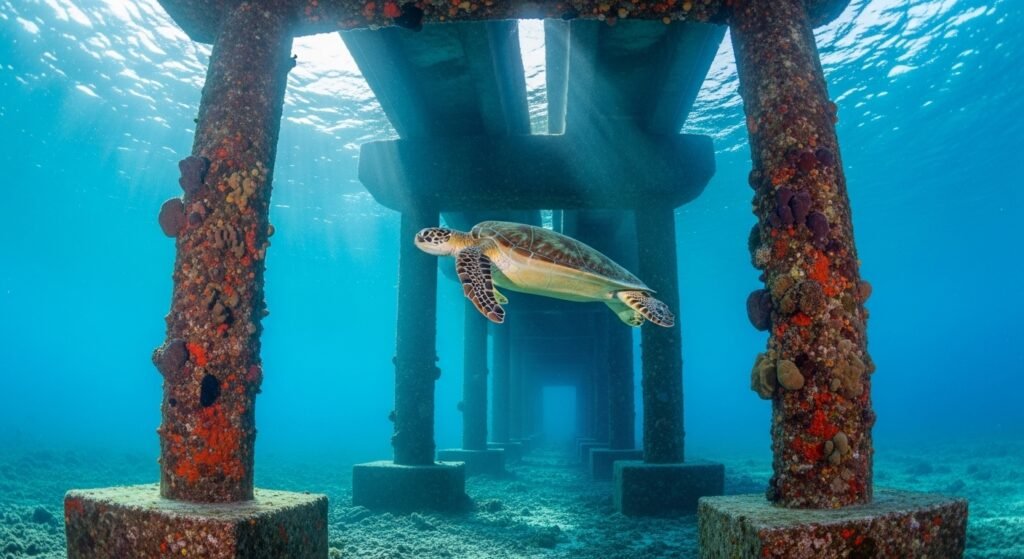
The pier was built as a breakwater on the north side of the island. It stretches way out into the ocean and protects the coast. The water around the pier is teeming with marine life. It is a favorite spot for local fishermen and divers.
- Turtle Spotting: You can almost always see sea turtles swimming here.
- Easy Access: You can drive your car right onto the pier.
- Snorkeling: The rocks along the pier are home to many colorful fish.
Media Luna Beach
Media Luna is a small, protected cove near Sun Bay. The name means “Half Moon” because of its perfect shape. The water is incredibly shallow and very warm. It is a great spot to relax if you don’t like waves.
- Toddler Heaven: Kids can walk out a hundred yards and still be in shallow water.
- Picnic Tables: There are several sheltered tables for lunch.
- Rough Road: The drive in can be very bumpy even for a Jeep.
Navio Beach
Navio is right next to Media Luna but feels very different. It is known for having the most consistent waves on the island. The beach is small and surrounded by rocky cliffs. It is a beautiful and wild-feeling spot.
- Body Surfing: This is the best place to play in the waves.
- Sea Caves: You can find small caves at both ends of the beach.
- Surrounding Views: The hike up the cliffs offers a great view of the coast.
Playa Escondida (Hidden Beach)
Playa Escondida is a tiny cove that few tourists visit. It is located past La Chiva at the end of a long trail. It is often completely empty even in the middle of the day. The name literally translates to “Hidden Beach”.
- True Privacy: You will likely have the entire place to yourself.
- Adventure: Finding it is half the fun of the trip.
- Seclusion: It is the ultimate spot for a quiet beach day.
Playa La Plata
Playa La Plata is located deep inside the National Wildlife Refuge. It is known for having the softest sand on the whole island. The water is a brilliant shade of silver-blue in the sunlight. It is a great spot for those who want to escape the crowds.
- Talcum Sand: The sand is white and incredibly fine.
- Deep Refuge: It takes a bit of driving to get here, but it’s worth it.
- Calm Water: The bay is well-protected from the wind.
Playa Pata Prieta (Secret Beach)
Many locals call this “Secret Beach” because it is tucked away. You have to walk down a short hill from the parking area. It is a small and very beautiful cove with clear water. It feels very intimate and private.
- Snorkeling: The rocks on the sides have good fish life.
- Blue Water: The water color here is legendary among visitors.
- Short Walk: The trail is easy but can be hot in the afternoon.
Playuela
Playuela is a rugged beach located near Caracas Beach. You have to hike through a mangrove forest to reach the sand. It is much quieter than Caracas because of the walk. It is a favorite for nature lovers and hikers.
- Mangrove Trail: The walk is about fifteen minutes through red mangroves.
- Quiet Vibe: You won’t find many other people here.
- Wild Beauty: The beach feels very untouched and natural.
Sea Glass Beach
Sea Glass Beach is located right in the town of Isabel Segunda. It is not a traditional swimming beach because of the rocks. Instead, people come here to hunt for colorful sea glass. It is a fun activity for a few hours.
- Glass Hunting: You can find bits of green, blue, and white glass.
- Town Access: You can walk here from the ferry dock.
- Quick Visit: It is a great spot to kill time before your boat leaves.
Playa Grande
Playa Grande is a long and wild beach on the south coast. It is very wide and features large rolling waves. You can see the ruins of an old sugar mill nearby. It is a great place for a long walk on the sand.
- Open Sea: The beach faces the open Caribbean ocean.
- Hiking: You can hike from the sugar mill ruins to the shore.
- Size: It is one of the longest stretches of sand on the island.
Specialized Beach Categories for Every Traveler
With so many vieques beaches, it helps to narrow down your choices. Different beaches are better for different activities. Depending on who you are traveling with, some spots will be better than others. Here are our top picks for specific categories.
Best Beaches for Snorkeling and Marine Life
If you want to see fish, you need to head to the reefs. The best snorkeling is usually where there are rocks or grass. You might see turtles, rays, and even small sharks. Always snorkel with a buddy for safety.
- La Chiva (Blue Beach): The reef at the far end is world-class.
- Mosquito Pier: The giant concrete pillars are covered in coral.
- Punta Arenas: The rocky point has a lot of colorful marine life.
Best Beaches for Families with Small Children
Traveling with kids means you need calm water and shade. You want a beach where they can play safely in the sand. Some vieques beaches are much easier for parents to manage. These spots are our favorites for the little ones.
- Sun Bay: It has bathrooms and a cafe which makes it easy.
- Media Luna: The water is so shallow it is like a big pool.
- La Chiva (Parking 8): The sand is soft and the entry is very gentle.
Most Romantic and Secluded Spots for Couples
If you want a private paradise, Vieques has plenty of them. Some beaches require a bit of effort to reach, which keeps them empty. These are perfect for couples who want to be alone. Pack a picnic and enjoy the quiet.
- Playa Escondida: It is a tiny, hidden gem for two.
- Playa La Plata: The white sand and quiet water are very romantic.
- Secret Beach: It feels like your own private island cove.
Top Activities and Adventures Beyond the Beach
Vieques is not just about the sand and sea during the day. There are many other adventures to be had on the island. From history to glowing water, there is something for everyone. Don’t miss these top-rated experiences.
The Bioluminescent Bay (Mosquito Bay)
This is the most famous attraction on the island. Mosquito Bay is officially the brightest bio-bay in the world. Micro-organisms in the water glow when they are moved. It is a magical experience that you will never forget.
- Kayak Tours: Most people visit the bay in clear-bottom kayaks.
- No Swimming: You are not allowed to swim to protect the glowing life.
- Moon Cycle: The bay is brightest during the new moon when it is dark.
- Safety: Do not worry about the tiger shark story; the bay is safe for kayaking.
Exploring the Vieques Sugar Mill Ruins (Central Playa Grande)
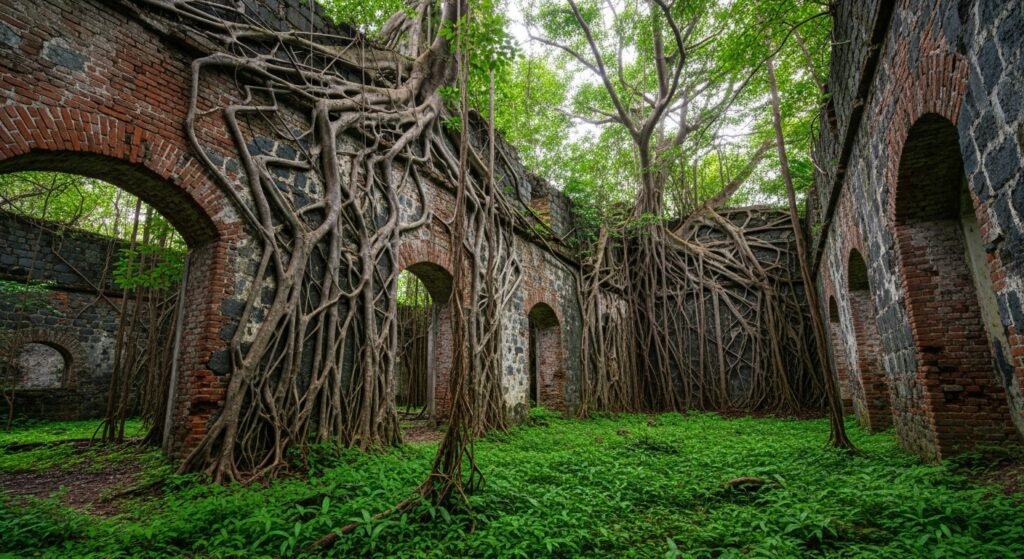
The sugar mill ruins are a fascinating piece of island history. The mill was shut down in the 1940s when the military arrived. Since then, the jungle has slowly taken over the buildings. It is a cool place to explore and take photos.
- Jungle Vibes: Vines and trees grow right through the old walls.
- Free to Visit: There is no cost to walk around the ruins.
- History: It shows what island life was like before the military.
Fortín Conde de Mirasol
This is a beautiful old Spanish fort in the town of Isabel Segunda. It was the last fort built by the Spanish in the Americas. It now serves as a museum and art gallery. The views from the fort are some of the best on the island.
- Museum: Learn about the history of Vieques and the military era.
- Views: You can see all the way to the island of Culebra.
- Art: The fort often hosts shows by local island artists.
Sailing and Boat Charters
Seeing the vieques beaches from a boat is a whole new perspective. Many companies offer day trips to offshore cays. You can spend the day snorkeling and eating fresh food. It is a great way to celebrate a special occasion.
- Snorkeling Trips: Boats can take you to reefs that are hard to reach from shore.
- Sunset Sails: Enjoy a tropical beverage as the sun dips below the horizon.
- Private Charters: You can rent a boat just for your family or group.
Planning Your Stay: Accommodations and Dining
Choosing where to stay will change how you experience the island. There are two main towns, each with its own character. Esperanza is for beach lovers, while Isabel Segunda is the local hub. Here is what you need to know about staying and eating.
Where to Stay: Esperanza vs. Isabel Segundo
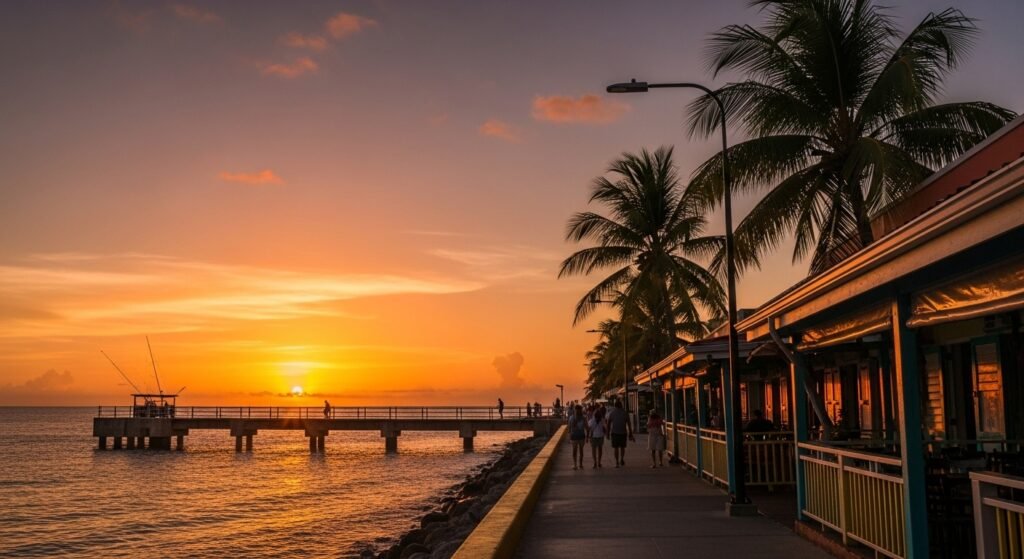
Esperanza is on the south coast and is very tourist-friendly. It is close to all the best vieques beaches and the bio-bay. Isabel Segunda is on the north coast where the ferry arrives. It has more shops and a more authentic local feel.
- Esperanza: Best for walking to restaurants and sunsets on the pier.
- Isabel Segunda: Best for a more local experience and lower prices.
Recommended Lodging
The island has everything from simple guesthouses to luxury boutique hotels. Most places are small and owned by locals. You won’t find any big high-rise hotels here. Make sure to book early during the winter months.
- Vieques Guesthouse: A very friendly and casual spot in Esperanza.
- El Blok: A modern and luxury hotel with a great rooftop bar.
- Finca Victoria: A vegan and Ayurvedic hotel for total relaxation.
- Blue Horizon Hotel: A beautiful hotel with a private beach and pool.
Where to Eat in Esperanza
The Malecón in Esperanza is lined with great places to eat. You can find everything from burgers to fresh lobster. Most places have outdoor seating with views of the ocean. It is the perfect spot for a casual dinner.
- Duffy’s: Known for great fish tacos and cold beer.
- Banana’s: A classic island spot with a big menu for kids.
- Lazy Jack’s: A fun bar with good pizza and a social crowd.
- El Quenepo: The top choice for a fancy and delicious meal.
Where to Eat in Isabel Segundo
Isabel Segunda has some great hidden gems for food. You can find more traditional Puerto Rican dishes here. It is a great place to grab a cheap lunch before the ferry. Look for the local food trucks near the plaza.
- Mofongo Spots: Look for small cafes serving this classic plantain dish.
- Bakeries: The local bakeries have great coffee and fresh bread.
- Seafood: Fresh fish is delivered to the town docks every day.
Cultural Insights and Seasonal Planning
The island has a rich culture that is worth learning about. Understanding the seasons will also help you plan a better trip. Vieques is a place that rewards those who take the time to learn its ways. Here is the big-picture view of the island.
The Best Time to Visit Vieques
The weather is warm all year round, but some months are better. The winter is the most popular time to visit. The summer can be very hot and is also the rainy season. Choose your dates based on your budget and heat tolerance.
- Winter (Dec–April): Perfect weather but higher prices and more crowds.
- Spring (May–June): Great balance of good weather and fewer people.
- Summer (July–August): Very hot and humid with occasional rain.
- Fall (Sept–Nov): Peak hurricane season; many places may be closed.
Local Festivals and Traditions
Vieques loves to celebrate its heritage with music and food. If you can time your trip with a festival, you are in for a treat. The people are very proud of their island and its history. Festivals are a great way to meet the locals.
- Fiestas Patronales: A big street fair with rides, music, and food.
- Horse Races: Local horsemen often race on the beach during holidays.
- Christmas: The island is very festive with many local parties.
Safety and Practical Tips for a Successful Trip
Staying safe and healthy is key to enjoying the best vieques beaches. While the island is very safe, there are a few things to watch for. Preparation is the best way to avoid small problems. Follow these tips for a worry-free vacation.
Health and Safety
The biggest threats on the island are the sun and small bugs. No-see-ums are tiny sand flies that bite at sunrise and sunset. They are especially active when the wind is low. Wear bug spray or stay inside during these times.
- Bug Spray: Bring a good spray with DEET or picaridin.
- Stay Alert: Be careful of the free-range horses while driving.
- Hydration: Drink more water than you think you need.
Emergency Services
The island has a small medical clinic in Isabel Segunda. For major emergencies, patients are flown to the mainland. There is also a pharmacy in town for basic needs. It is always a good idea to have travel insurance.
- Pharmacy: Located in the center of Isabel Segunda.
- Police: The station is also in the main town.
- First Aid: Carry a small kit in your Jeep for minor cuts.
Beach Day Packing List
Since many vieques beaches have no facilities, you must bring everything. Preparation is the difference between a great day and an early exit. Most guesthouses provide some beach gear for guests. Here is what you should pack in your car.
- Cooler: Pack plenty of ice, water, and tropical beverages.
- Shade: Bring a beach umbrella or tent if the beach has no trees.
- Chairs: Lightweight chairs make a big difference in comfort.
- Snacks: Pack enough food for the whole day as there are no stores in the refuge.
Conclusion: The Magic of Isla Nena
Vieques is a place that stays in your heart long after you leave. The combination of wild nature and friendly people is very rare. Whether you are snorkeling at Blue Beach or kayaking in the bio-bay, you will find magic here. It truly is one of the last unspoiled paradises in the Caribbean.
Summary of the Vieques Experience
The island offers a rugged and authentic adventure. It is not for people who want five-star resorts and manicured lawns. It is for people who love nature, wild animals, and hidden beaches. If you are looking for the best vieques beaches, you will find them in the refuge. It is a place to slow down and appreciate the simple things.
Final Recommendations
For your first trip, we suggest staying in Esperanza to be close to the action. Rent a Jeep so you can explore every inch of the National Wildlife Refuge. Don’t try to see every beach in one day; take your time. Most importantly, be respectful of the island and its wonderful people. You will surely want to return to “Isla Nena” again and again.
| Beach Name | Location | Best For | Top Activities |
| Punta Arenas (Green Beach) | Northwest Coast | Seclusion & Nature | Snorkeling, scenic views, wildlife watching |
| La Chiva (Blue Beach) | Wildlife Refuge | Families & Snorkelers | Snorkeling, beachcombing, shallow wading |
| Caracas Beach (Red Beach) | Wildlife Refuge | Socializing & Ease | Body surfing, sunbathing, swimming |
| Sun Bay (Playa Sombe) | Near Esperanza | Full Amenities | Picnics, swimming, spotting wild horses |
| Playa Negra (Black Sand) | South Coast | Photography | Hiking, sightseeing, dramatic photography |
| Playa Esperanza | Esperanza Town | Convenience | Watching sunsets, pier jumping, dining |
| Mosquito Pier | North Coast | Marine Life | Diving, turtle spotting, fishing |
| Media Luna Beach | Near Sun Bay | Toddlers & Kids | Relaxing in shallow water, calm wading |
| Navio Beach | Near Sun Bay | Adventure | Body surfing, exploring sea caves |
| Playa Escondida | East Refuge | Total Privacy | Secluded relaxation, quiet reading |
| Playa La Plata | Deep Refuge | Luxury Sand | Sunbathing on soft sand, quiet swimming |
| Playa Pata Prieta | Wildlife Refuge | Romantic Vibe | Snorkeling, intimate swimming |
| Playuela | Near Caracas | Nature Lovers | Hiking, uncrowded sunbathing |
| Sea Glass Beach | Isabel Segunda | Treasure Hunting | Searching for sea glass, beach walking |
| Playa Grande | Southwest Coast | Long Walks | Beach hiking, exploring sugar mill ruins |
Frequently Asked Questions
Are there any clothing-optional beaches on Vieques?
There are no official nude beaches on the island of Vieques. Local culture is quite conservative regarding public modesty. It is best to wear standard swimwear at all times to respect the local community and visitors.
Can I bring my own alcohol to the National Wildlife Refuge beaches?
You are allowed to bring your own beverages as long as you do not bring glass containers. Glass is strictly prohibited on the sand for safety reasons. Always pack out your cans and plastic bottles when you leave the refuge.
Is it safe to leave valuables in my rental Jeep while at the beach?
It is common practice on the island to leave your Jeep doors unlocked and take all valuables with you. This prevents thieves from breaking your windows to check for bags. Never leave cameras, wallets, or phones inside a parked vehicle at remote trailheads.
Are there lifeguards stationed at the beaches in Vieques?
Most beaches on the island do not have lifeguards on duty. Sun Bay is the only beach that occasionally has staff, but you should never count on it. Always swim at your own risk and stay aware of current conditions.
Can I have a bonfire on the beach in Vieques?
Open fires and bonfires are prohibited on most beaches, especially within the National Wildlife Refuge. This rule helps protect the nesting sites of sea turtles and local vegetation. Stick to using designated grill areas if they are provided at public parks.
Is the water safe to drink in Vieques?
The tap water on the island is generally safe for showering and brushing teeth. Many visitors prefer to buy bottled water or use a filter for drinking due to the different mineral content. It is important to stay hydrated with plenty of water during your beach days.
What should I do if I step on a sea urchin?
Sea urchins are common in rocky areas and near reefs on the island. If you get poked, seek medical attention at the clinic in Isabel Segunda to ensure no spines are left in the skin. Wearing water shoes or fins while snorkeling can help prevent these injuries.
Are dogs allowed on the beaches?
Dogs are allowed on most beaches but should be kept on a leash to protect local wildlife. Be very careful during turtle nesting season so your pets do not disturb the nests. Always clean up after your pet to keep the sand pleasant for everyone.
Can I camp on the beaches in Vieques?
Camping is only permitted in designated areas and requires a permit from the Department of Natural Resources. Sun Bay used to be a popular camping spot, but policies change frequently. Always check for current regulations before setting up a tent.
Do I need to worry about sharks while swimming?
Shark sightings are rare in the shallow swimming areas of the southern beaches. While the ocean is their home, they generally stay away from humans. The water is very clear, which makes it easy to see your surroundings while you swim.
Are there public restrooms at the remote refuge beaches?
Most beaches inside the National Wildlife Refuge have no facilities at all. This means no bathrooms, no running water, and no trash cans. You must plan ahead and bring everything you need for the day.
Can I fly a drone over the beaches and the Bio Bay?
Drones are generally allowed on beaches but are strictly prohibited over the Bioluminescent Bay at night. Using a drone in the Wildlife Refuge may require special permission. Always be mindful of the privacy of other beachgoers and the safety of the horses.
What is the “Sargassum” and will it affect my trip?
Sargassum is a type of brown seaweed that sometimes washes up on the shores in large amounts. This usually happens in the summer months and can affect the clarity of the water. Some years are worse than others, and it often clears up quickly with the tide.
Is there a hospital on the island?
There is no full-service hospital, but there is a 24-hour health clinic in Isabel Segunda. For very serious medical emergencies, an air ambulance will transport patients to San Juan. It is wise to carry a basic first aid kit for minor scrapes.
Can I take sand or sea glass back home in my luggage?
It is illegal to take sand, rocks, or coral from the National Wildlife Refuge. TSA at the airport may confiscate these items if they find them in your bags. Stick to taking photos of your finds to preserve the island’s beauty.
Are the beaches accessible for people with mobility issues?
Sun Bay and Caracas are the most accessible beaches because they have paved or flat parking areas. Most other beaches require walking over uneven trails or through soft sand. A 4×4 vehicle can get you closer to the water at some spots.
What is the best way to handle sand flies or “No-See-Ums”?
These tiny biting bugs are most active at dawn and dusk or when the wind stops blowing. Using a bug spray with high DEET or natural oil of lemon eucalyptus works well. Many locals recommend using baby oil on your legs to keep them from biting.
Can I buy snorkeling gear on the island?
There are several shops in Esperanza and Isabel Segunda that sell or rent snorkeling equipment. If you have a specific fit you like, it is better to bring your own. Rental gear is a great option if you want to save space in your luggage.
How do I know if it is turtle nesting season?
Nesting season usually runs from March through November. You will see areas of the beach marked off with tape or stakes to protect the eggs. Stay far away from these markers and never use white flashlights on the beach at night during this time.
Are there any dangerous plants near the beaches?
The Manchineel tree, often called “Manzanilla de la muerte,” grows on some beaches and is highly toxic. Its sap can burn your skin and its small green fruits are poisonous. These trees are often marked with red paint or signs, so avoid standing under them during rain.