
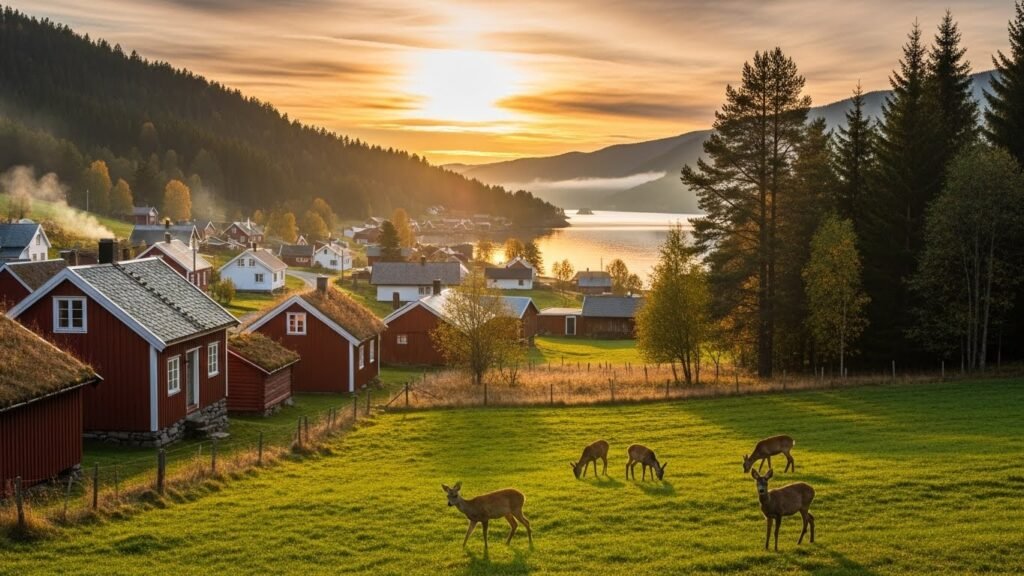
Norway is famous for its cool nature and deep forests. This country has a long history of loving the great outdoors. Norway uses a special group called the viltnemnda to keep things balanced. You might know a lot about hunting laws already. However, many folks do not realize how much the viltnemnda helps local areas. These groups manage nature right in your own backyard.
The viltnemnda is a local team that looks after wild animals. Every town in Norway has one. They keep the peace between people and nature. They make sure hunting stays fair. They also keep the environment healthy. Without them, the woods could become messy. This board helps Norway stay green and wild.
Their main job is to find a middle ground for everyone. They care about human needs. They also protect the animals. They use real science to make big choices. This keeps the ecosystem running smoothly. Their work helps nature and society live together.
Introduction to Viltnemnda
Norway has many wild animals and huge forests. People there love to hike and spend time outside. The viltnemnda is a local group that handles wildlife for each town. They act like a neighborhood watch for moose and deer. They follow national laws to keep local nature safe.
This group performs an important mission every day. They balance human wants with the planet’s needs. They also keep everyone safe from wild animals. Their work includes hunting rules and fixing roadkill problems. They play a key role in how towns manage their land.
Defining the Local Wildlife Board
The word viltnemnda means “wildlife committee” in English. The local government sets up this group. They deal with animal issues in their specific area. Members usually have a lot of experience with nature. Some are hunters. Others study the environment.
These boards do the actual work. They take big ideas from the capital and make them work locally. Every town in Norway relies on them. They are the experts for local wild creatures. Their work keeps the forests full of life.
The Core Mission: People, Safety, and Nature
The board wants to keep everyone happy. They make sure humans have what they need. They also protect the natural world. Safety is a big part of their daily job. They prevent accidents. They also manage animal populations carefully.
They watch the health of the entire forest. Too many animals can hurt the woods. Too few animals might make the ecosystem fail. The viltnemnda tracks these numbers closely. Their work ensures nature stays strong for the future.
The Legal Basis and Purpose of Viltnemnda
The name viltnemnda combines two Norwegian words. “Vilt” means wildlife and “nemnda” means committee. This group has the legal power to manage local animals. They follow specific statutes from the Norwegian government. These laws give them the authority to set rules.
They act as the local face of nature law. National laws need local experts to work well. The viltnemnda understands the needs of their own town. They make sure the rules fit the local environment. This makes wildlife management more effective across the country.
Understanding the Name and Local Roots
The name describes their goal perfectly. They are the committee for local wild things. These local roots are very important. They are not a far-away office in a big city. The members live and work in the community.
Because they are local, they know the woods and fields. They know which roads have the most deer accidents. they also know the local farmers and hunters. This knowledge helps them make better decisions. It builds trust within the small towns.
National Statutory Roots: Jakt- og fangstloven
The board follows a major law called the Jakt- og fangstloven. In English, this is the Norwegian Hunting and Wildlife Act. This act sets the rules for the whole nation. It tells the viltnemnda what they can do. It is the foundation for their legal power.
- Hunting rules form a major part of this law.
- Conservation goals exist within the legal code.
- Public duty requires people to help injured animals.
- Local authority belongs to the towns because of this act.
The Nature Diversity Act and Biodiversity
The board also follows the Nature Diversity Act. This law is the Naturmangfoldloven. It focuses on keeping nature diverse and strong. The viltnemnda follows these rules to protect different species. The law helps them decide how many animals can stay in an area. It ensures no species disappears.
Biodiversity means having many kinds of plants and animals. The board works hard to keep this variety alive. They look at the big picture of the ecosystem. This law gives them a tool to protect rare creatures. It is vital for modern wildlife management.
Structure and Membership: How the Board is Formed
Each town picks its members in its own way. Usually, the town council chooses the team. They look for folks with specific experience. Members serve for a set time, like four years. This keeps the board fresh and stable.
The structure is fair and open. The council wants different views on the board. This helps them make choices that work for everyone. They usually have five main members and some backups. This ensures the work always gets done.
Membership and the Appointment Process
The town council votes on the members. They often pick people who stay active in nature. Some members are scientists. Others are local leaders. The goal is a team that knows everything about the area.
- Experienced hunters bring practical knowledge of the woods.
- Biologists provide scientific data for big decisions.
- Environmental advisors protect the land and water.
- Community leaders share the public’s voice.
Operational Framework and Accountability
The viltnemnda answers to the town council. They cannot do whatever they want. They must follow the budget and local laws. This keeps them accountable to the residents. It also ensures they spend money wisely.
They work with national nature agencies. The Norwegian Environment Agency gives them guidance. If a huge problem happens, the board calls for help. This network ensures every town follows the same standards. It creates a strong system for the whole country.
Core Responsibilities and Management Tasks
The viltnemnda has a long to-do list. Their biggest job is managing the hunting season. They decide how many animals people can hunt safely. This keeps animal populations at a good size. It also makes sure hunters follow safety rules.
The board also watches the health of nature. They track how many animals are born each year. They look for signs of disease. If things look wrong, they step in. Their daily work keeps the forest thriving.
Regulating Hunting Activities and Permits
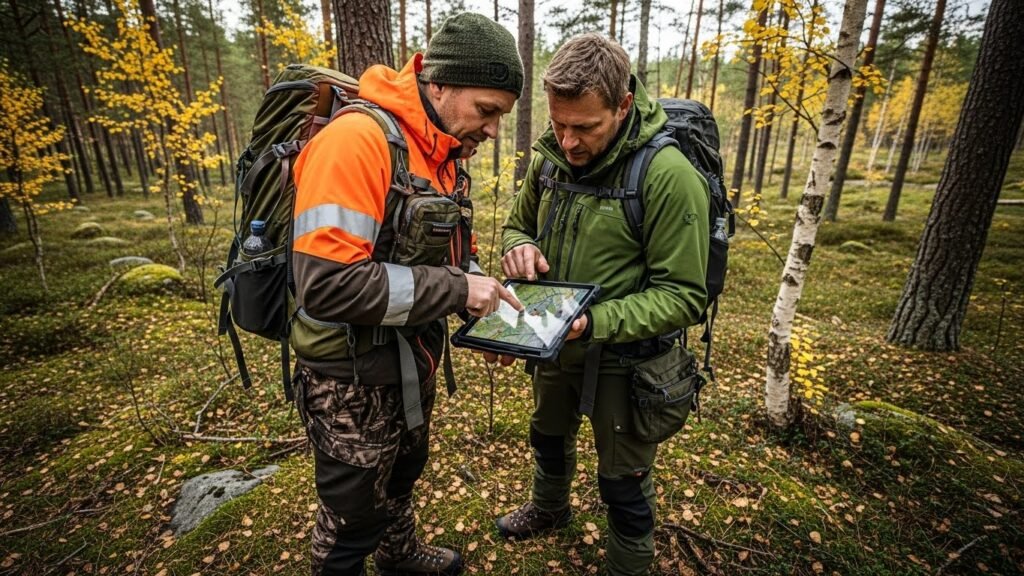
Hunting is a big tradition in Norway. The viltnemnda keeps it organized. They set quotas for moose. They also approve plans for each hunting area. This ensures sustainable hunting.
- Setting quotas prevents people from over-hunting.
- Issuing licenses ensures only trained people hunt.
- Approving plans keeps hunters in their own areas.
- Mediation solves fights between hunters and landowners.
Species-Specific Management Protocols
Different animals need different care. The board has special plans for moose. They also watch red deer and roe deer. Each species affects the forest differently. The viltnemnda adjusts the rules for each animal.
- Moose management protects local trees from being eaten.
- Deer quotas change based on winter survival numbers.
- Large carnivores like wolves require close tracking for safety.
- Small game rules protect birds and small forest creatures.
Managing Human-Wildlife Conflicts
Sometimes animals and people clash. Deer might eat a farmer’s crops. A moose might wander into a backyard. The viltnemnda steps in to help. They find ways to solve these problems without hurting nature.
They also deal with predators that hurt sheep. This can cost farmers a lot of money. The board looks at the evidence and decides what to do. They might offer money to cover the losses. This helps the economy and nature move forward together.
Agricultural and Property Protection
Farmers rely on their crops. When wild animals cause damage, it is a big deal. The viltnemnda visits the farm to see the damage. They use legal rules to see if the farmer gets paid. This helps farmers stay in business.
- Crop damage inspections show how much was lost.
- Damage felling can remove a problem animal.
- Compensation helps farmers pay for broken items.
- Fencing advice prevents animals from coming back.
Urban Wildlife Challenges
Animals sometimes wander into the middle of a town. This can panic the residents. The viltnemnda knows how to handle these situations. They work to move the animal back to the forest.
They also teach people how to live with wild neighbors. They give tips on locking trash cans. They explain why people should not feed wild animals. This education prevents conflicts before they start. It makes the town safer for everyone.
Emergency Response: Injured and Road-Killed Wildlife
Dealing with animal accidents is a tough job. Car crashes with deer or moose happen often. When this happens, the police call the viltnemnda. The board handles the situation fast. They make sure the animal does not suffer.
They also keep the road safe for other drivers. Dead animals can cause more crashes. The viltnemnda removes the animal carcass safely. They are the first responders for wildlife emergencies. Their quick work saves lives.
Handling Wildlife-Vehicle Collisions
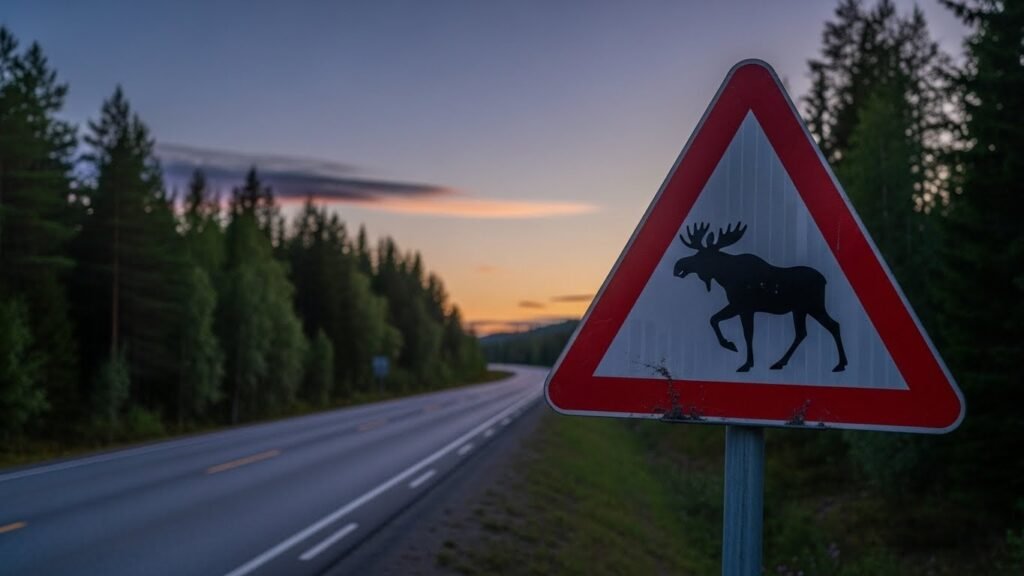
If you hit a wild animal, you must call 02800. This is the number for the local police. The police then contact the viltnemnda. You should stay there and mark the spot. This helps the team find the animal faster.
- Reporting is required by law if you hit a wild animal.
- Mark the location with something visible.
- Wait for help if it is safe on the road.
- Do not approach the animal because it might be scared.
Practical Operations and the Search Corps
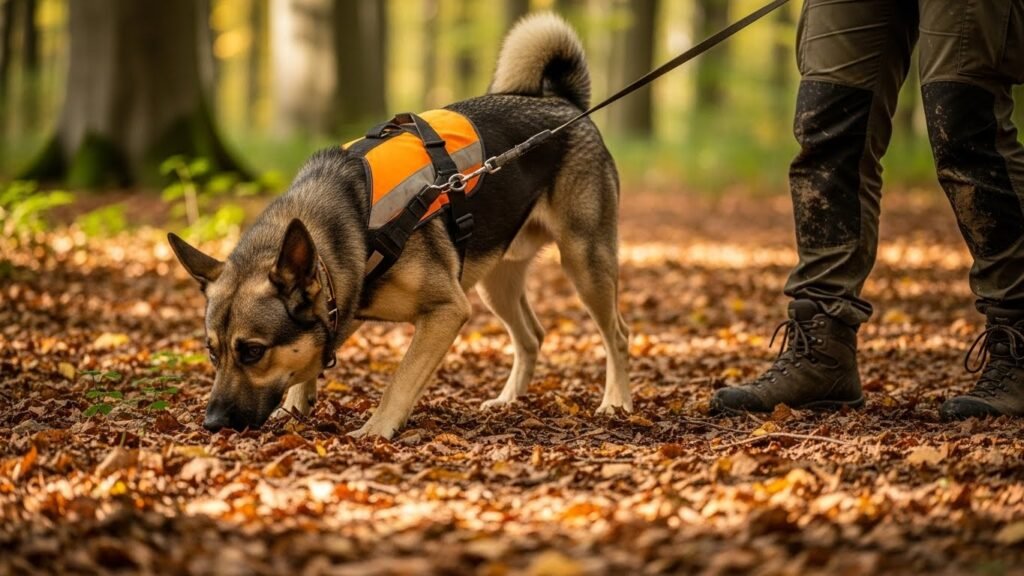
The viltnemnda often uses the Ettersøkskorps. This is a special search corps. They have training to find animals. They use dogs to track down injured creatures. This stops the animal from suffering for days. This work is very skilled.
- Search dogs follow the scent of blood.
- Human handlers safely approach wild animals.
- Removal teams have the equipment to move large animals.
- Data logging tracks where accidents happen most.
Local Advisory and Urban Planning Roles
The viltnemnda helps plan how the town grows. When a new road is built, they give advice. They want to make sure the road does not block animal paths. This keeps the animals moving safely.
They also look at new housing spots. They check if houses will destroy animal homes. By helping with the planning, they prevent future problems. They want to build towns that work with nature. This work is vital for long-term wildlife health.
Environmental Impact Assessments
Before a big project starts, the board does a check-up. This is an environmental impact assessment. They look for rare plants or animals. They see if the project will hurt the ecosystem. This helps the town make smarter building choices.
- Wildlife corridors stay protected so animals can travel.
- Nesting grounds stay safe from construction noise.
- Water sources stay clean for the animals.
- Migration paths stay clear of big obstacles.
Public Safety and Zoonotic Diseases
The board watches for sicknesses that can spread to people. They monitor animals for Chronic Wasting Disease. If they find a sick animal, they act fast. This protects both herds and residents. Public health is part of their daily mission.
They tell people if it is unsafe to touch certain animals. They give advice on keeping pets safe. By tracking these illnesses, they keep the community healthy. They stay ready for any kind of trouble.
Public Interaction and Community Engagement
The viltnemnda helps everyone in town. You can call them with nature questions. They are experts on local animals. Many people talk to them during the hunting season. They help people understand the rules of the forest.
They also work to be part of the community. They visit schools to talk about wild animals. They want everyone to feel a connection to nature. This helps people care more about the woods. It builds a culture of respect for the wild.
How Citizens Engage with the Board
There are many ways to get help. If you see a hurt bird, ask them what to do. If a moose is stuck in your fence, they can help. They are very accessible in most towns. You can find their contact info on the town website.
- Reporting issues helps the board find problems.
- Applying for permits is the right way to hunt.
- Asking for advice prevents you from getting into trouble.
- Sharing sightings helps the board track animal movement.
Transparency and Awareness
The viltnemnda holds meetings that the public can attend. They want people to see how they make choices. They share reports on animal numbers. This transparency helps everyone trust their work. It shows they are fair.
Awareness is a huge part of their success. The more people know, the fewer accidents happen. They use signs and websites to spread safety tips. This education saves lives every day. It is a group effort to keep the town safe.
Challenges and Criticisms Facing Local Boards
Their work is not always easy. Some people think the board cares too much about hunting. Others think they should help farmers more. Balancing these voices is tough. The board makes hard choices that not everyone likes.
Funding can be a problem for small towns. Without enough money, they cannot do their jobs well. They might lack gear or people. This can lead to slower response times. It is a constant struggle to stay perfect.
Balancing Competing Interests
This is the hardest part of the job. Farmers want to protect their crops. Conservationists want the deer to live in peace. Hunters want animals for the season. The viltnemnda must find a plan for all.
- Farmer needs focus on money and hard work.
- Conservation goals focus on long-term nature health.
- Hunter interests focus on tradition and meat.
- Public safety is the priority everyone agrees on.
Environmental and Legal Pressure
The climate is changing, and it affects animals. Migration paths are shifting. New diseases might show up. The viltnemnda must adapt their plans. It is a lot of pressure to keep up with nature.
Towns are also growing. This means animals have less space. The board fights to keep these habitats safe. Legal rules are also getting more complex. It takes a lot of study to follow the new laws.
The Future of Wildlife Management in Norway
Technology is changing how we manage nature. The viltnemnda uses drones to count animals. They can see more of the forest from the air. This gives them better data for hunting quotas. Technology makes their work accurate and fast.
They also use apps to help citizens report accidents. Help can arrive much faster than before. Digital tools connect the public with the board. The future looks high-tech for Norway’s wild creatures.
Technological Advancements
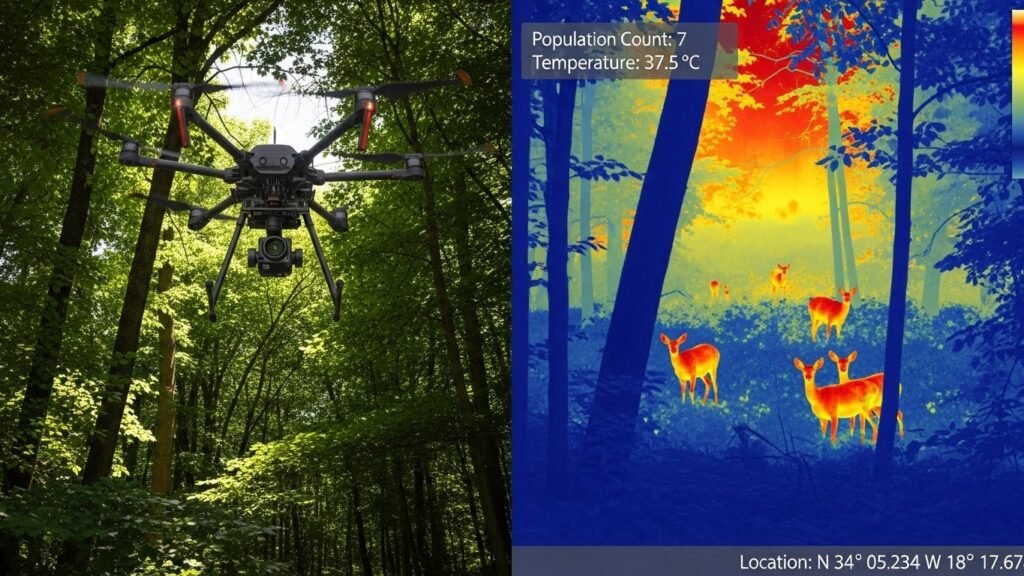
Drones are a game changer. They fly over mountains and valleys safely. GPS collars show where moose go in winter. This data shows which roads are dangerous. Computers help predict population changes.
- Drone surveys provide a clear count of animal herds.
- GPS tracking shows how animals move through town.
- Reporting apps let people send photos of issues.
- Data analysis finds the best spots for wildlife bridges.
Climate-Adaptive Strategies
As seasons change, the board’s rules change too. They might move hunting dates to match the weather. They could change protected areas based on snow. This flexibility keeps animals healthy. They stay ready for anything.
This might mean changing hunting numbers. If a bad winter kills deer, the quota drops. If many are born in spring, it goes up. This adaptive style is the best way to manage wildlife. It shows the board is smart and careful.
Summary of Viltnemnda’s Essential Role
The viltnemnda is the heartbeat of local nature. They manage animals every day. They handle everything from road accidents to hunting permits. They keep the balance between our world and the wild. Their work makes Norway a leader in protecting nature.
We all have a role in their success. Reporting accidents and following rules makes a difference. When we work with the board, everyone wins. Nature stays beautiful, and our communities stay safe. The viltnemnda is a true hero of the Norwegian woods.
FAQs About Viltnemnda and Wildlife Management
Can a regular person join the viltnemnda?
You do not need a specific college degree. The town council looks for practical experience. Having a biology degree helps, but being an expert hunter or local leader is often enough. Most members are regular citizens active in the outdoors.
Do I have to pay for help from the wildlife board?
No, you do not pay for their emergency services or advice. The local municipality funds their work. If they handle an injured animal on your property, it is free. Some specific hunting permits might have small administrative fees.
Can the viltnemnda close a forest to the public?
The board usually cannot stop people from hiking. Norway has a rule called Allemannsretten. This gives everyone the right to roam freely. The board might suggest people avoid certain spots to protect baby animals. However, they usually cannot legally block you from a public forest.
What happens to the meat from road-killed animals?
The board decides based on the animal’s health. If the meat is safe, they might sell it to help the wildlife fund. Sometimes they give it to schools or nursing homes. If the animal was sick or the meat was ruined, they dispose of it safely.
Does the viltnemnda handle rats?
Usually, the wildlife board does not deal with household pests like rats. Private companies or the health department handle those. The board focuses on “game” animals like moose, deer, and foxes. They stick to wild creatures in the forests and fields.
Are board members paid a full-time salary?
No, this is typically a part-time or voluntary role. Most members have regular day jobs. They get back their travel costs or pay for specific emergency calls. It is not a career that pays a full annual salary.
Can I appeal a decision made by the viltnemnda?
Yes, you can file an appeal if you disagree with a choice. This appeal usually goes to the County Governor. You must show the board did not follow the law. Most people talk to the local board first to try to fix the issue.
Does the board help with protected birds like eagles?
The board monitors all wildlife, but rare birds fall under national rules. If an eagle is hurt, the viltnemnda coordinates with national experts. They make sure the bird gets specific care. They are the first point of contact for almost any wild animal.
How does the board track animal numbers in winter?
They use several methods. They look for tracks in the snow. They count pellet groups left by deer. Many boards now use thermal cameras on drones to spot animals. They also listen to reports from local hunters.
Can I keep a wild animal as a pet with their permission?
No, it is generally illegal to keep wild animals as pets in Norway. The viltnemnda cannot give you a permit for a baby deer or a fox. They want wild animals to stay in the wild. If you find an orphan, call them so a professional can help.
What should I do if I find a dead animal in my yard?
If it is a large animal like a deer, call the viltnemnda or the town office. They will help you remove it legally. For small birds or squirrels, you can usually bury them or use the trash. Always wear gloves to stay safe.
Does the board manage fishing rules?
Usually, a different group or landowners’ association handles fishing. The viltnemnda focuses on land animals and birds. Sometimes the groups work together to protect the water. Check with your local town hall for fishing permits.
Can the board order me to cut down my trees?
The viltnemnda cannot force you to cut your trees. They might give advice on how trees affect animal paths. If trees block the view on a dangerous road, they might ask the road department for help. They do not manage private garden plants.
Do they handle dogs that chase wildlife?
If a dog attacks wild animals, the board might work with the police. Norway has strict leash laws. The board helps document the damage to the wildlife. The police handle the legal trouble for the dog owner.
How do I know if I am in a high-risk area for moose crashes?
The viltnemnda puts up yellow warning signs with a moose on them. You can also check local maps that show where crashes happen. If you see these signs, slow down and watch the roadside. The board updates these signs often.
Does the board provide salt licks for animals?
Sometimes the board or hunters set up salt licks to keep animals healthy. These spots keep animals in certain areas and away from roads. It is a way to manage where animals go in winter. They follow a careful plan to avoid spreading diseases.
What happens if a board member is also a hunter?
Many members are hunters because they know the forest well. They must follow “conflict of interest” rules. They cannot vote on decisions that give them a special advantage. This ensures the board stays honest and fair.
Can the viltnemnda help if a bear is near my house?
Yes, if a large predator is near people, call the police or the board. The viltnemnda works with the State Nature Inspectorate. They have special teams to scare the bear away or move it safely. Resident safety is the top priority.
How often does the viltnemnda meet?
The board meets as often as needed. This is usually once a month or once a quarter. During hunting season, they might talk more often to adjust numbers. They are also on call for emergencies like road accidents at any time.
Can I volunteer to help the viltnemnda?
Many towns let volunteers help count animals or fix fences. Reach out to your local board and ask if they need help. It is a great way to learn about nature and help your community. They usually appreciate people who care about the woods.