 Skip to content
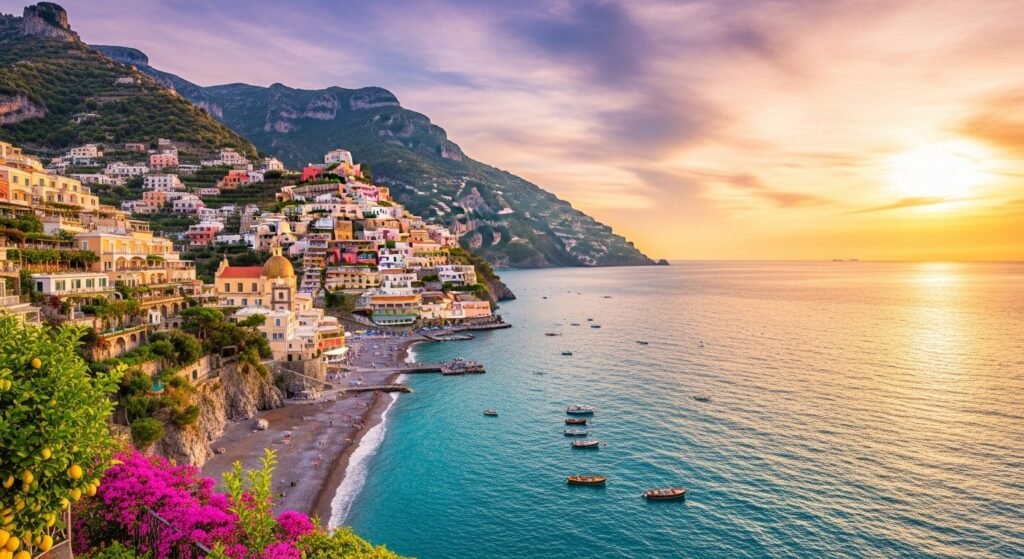
The Amalfi Coast is a legendary stretch of shoreline in Southern Italy. It sits on the south side of the Sorrento Peninsula. You will find narrow winding roads and pastel-colored houses here. Cliffs jut straight out of the sparkling Mediterranean Sea. Many people think it is the most beautiful place in Italy. It is a place where dreams come to life. This guide will show you how to enjoy every moment in this Italian heaven.
Introduction to the Amalfi Coast
This coastline is famous for its vertical villages and mountainside views. You will see little villages snuggled into coves along the Mediterranean shore. The mountains tower over them in the background. It is one of the most spectacular places on earth. It is truly a slice of Italian heaven. You will find beauty from Ravello to Positano.
The atmosphere here is a mix of luxury and local life. You can find fancy boutique hotels and cozy Airbnb spots. Locals wobble up steep walkways with fresh bread and tomatoes. The air smells like lemon groves and salt. It is a UNESCO World Heritage site for a reason. Every corner offers a new breathtaking view.
The region is perfect for a romantic wedding trip or a solo adventure. You can live la dolce vita every single day. The history here goes back thousands of years. You will see ancient architecture and beautiful gardens. It is a place that fills your soul with wonder. You will never want to leave this paradise.
Location and Geography
The Amalfi Coast is located just beneath Naples in Southern Italy. It covers the southern coast of the Sorrento Peninsula. The Tyrrhenian Sea crashes against its rocky shores. It is a rugged and vertical landscape. The mountains meet the sea in a dramatic way. This creates some of the best scenery in the world.
Where is the Amalfi Coast?
The coast officially runs from Positano in the west to Vietri sul Mare in the east. It is nestled in the Campania region of Italy. Major cities like Salerno and Sorrento sit at its edges. The area is known for its steep cliffs and hidden coves. Most villages are built right into the mountainside. This makes for very narrow streets and stairs.
Proximity to Major Hubs
You can reach the coast easily from several major Italian cities. It is about three hours southeast of Rome by car. Naples is even closer and serves as the main gateway. If you are coming from Puglia, it is a three-hour drive northwest. Many travelers combine a trip here with a visit to Sicily. It is a central spot for a grand Italian adventure.
The Layout
The coast runs east and west along the peninsula. Many people refer to the directions as north and south though. Salerno sits at the southern or eastern end. Sorrento is located on the northern or western side. The road winds through thirteen different municipalities along the way. Each town has its own unique vibe and charm.
Planning Your Arrival
Getting to this slice of heaven takes a little planning. There is no large airport right on the coast. You will need to use a mix of transport methods. Most people start their journey in Naples or Rome. The journey is part of the fun of the trip. You will see amazing sights before you even arrive.
Getting to the Region
Flying into Naples is the most common way to start. From the airport, you can take a bus or a private shuttle. Rome is another good option with many international flights. You can take a high-speed train from Rome to Salerno or Naples. From Salerno, the coast is just a short bus or boat ride away. It is very easy to navigate the main hubs.
The Scenic Route
Some travelers prefer a more adventurous path to the coast. You can travel from Sicily by taking a ferry from Messina. The ferry drops you off at Villa San Giovanni on the mainland. Then you can hop on a train to Salerno. This route lets you see the southwestern coast of Italy. It is a great way to see more of the country.
Starting Points
You need to decide which side of the coast to start on. Starting in Salerno is great if you want to move south to north. Starting in Sorrento is better if you are coming from Naples. Both cities offer great views and easy access to the villages. Salerno is a bit more local and less touristy. Sorrento is very popular and well-connected.
Best Time to Visit
Timing is everything when you visit the Amalfi Coast. The weather and the crowds change a lot through the year. You want to find the perfect balance for your trip. Some months are hot and busy while others are quiet. Think about what you want to do before you book. Here is a breakdown of the seasons on the coast.
High Season (April – October)
The high season is when the coast truly comes to life. The weather is sunny and the ferries are running. All the shops and restaurants are open for business. This is the best time for swimming and boat tours. However, prices for hotels and food will be at their highest. You will need to book everything far in advance.
Peak Summer (July – August)
July and August are the busiest months of the year. The sun is very strong and the humidity is high. Temperatures can reach the high 90s in Fahrenheit. The streets and beaches will be packed with tourists. It can be a bit overwhelming for some travelers. But the water is perfectly warm for swimming.
The Ferragosto Warning
The week of August 15th is a special Italian holiday. It is called Ferragosto and everyone goes to the beach. This is the most crowded week of the entire year. Traffic on the winding roads can come to a standstill. Many locals also take their own vacations during this time. It is best to avoid this week if you want peace.
Low Season (November – March)
The low season is much quieter and more affordable. Many hotels and restaurants close for the winter. Ferry schedules are very limited or stopped entirely. The weather can be rainy and a bit chilly. You won’t be able to swim in the sea. But you will have the famous views all to yourself.
Logistics: Getting Around the Coastline
Moving between the villages can be a real challenge. The geography of the area dictates how you travel. You have to choose between the road and the sea. Both options have their pros and cons. Most people use a mix of transport to get around. Here is what you need to know about logistics.

Driving the Amalfi Drive
Driving here is not for the faint of heart. The road is one of the most famous in the world. It offers amazing views but requires total focus. You will need to be a confident driver to handle it. Many people prefer to let someone else drive.
- What to expect: The roads are extremely curvy and narrow. You will face vertical rock faces on one side. The other side has sheer drop-offs into the sea.
- The Vespa Factor: You will share the road with many scooters. Vespas whizz past you on narrow cliff sides. You also have to watch out for full-size buses.
- Vehicle Tips: You should rent the smallest car possible. Small cars make it easier to navigate the tight turns. They also make finding a parking spot much easier.
Public Transportation (SITA Bus)
The SITA bus is the main way locals get around. It is very cheap compared to a taxi or rental. The buses run frequently between all the major towns. You can buy tickets at local shops and newsstands. It is a great way to save money while traveling.
- Crowds: The buses can get very crowded in peak season. You might have to stand for the whole ride.
- Motion Sickness: The ride is very bumpy and has many turns. If you get carsick, this might be a tough trip.
- Views: Sitting on the sea side of the bus offers great views.
Travelmar Ferry Services
Ferries are the most pleasant way to travel. They connect the ports of Positano, Amalfi, and Salerno. You get a fresh breeze and amazing coastal views. It is much faster than the bus in heavy traffic. The Travelmar ferry is a popular choice for tourists.
- Schedules: Ferry times change depending on the season. Always check the latest ferry timetable before you head out.
- Weather: If the sea is too rough, ferries will stop running.
- Ports: Most major villages have a pier for pedestrian ferries.
Physical Requirements
You need to be prepared for a lot of walking. The villages are built vertically on the hillsides. You will spend a lot of time on stairs. It is a constant workout for your legs. This is not a place for easy walking.
- Stairs everywhere: Stairs are a part of daily life here. You might have to climb hundreds to reach your hotel.
- Calf-burning workouts: Your legs will definitely feel the burn after a day. Comfortable shoes are a total must for this trip.
- Accessibility: This region is very hard for people with mobility issues.
Where to Stay: Choosing Your Base
Choosing the right town to stay in is very important. Each village offers a different experience and price point. You should pick a base that fits your travel style. Some towns are busy while others are very quiet. Think about how much you want to travel each day.
Sorrento
Sorrento is a great base for many first-timers. It is located at the northern end of the peninsula. It is very easy to reach from Naples by train. You can easily take day trips to Pompeii or Capri. It has many hotels, shops, and restaurants to choose from. It is a very convenient place to stay.
Praiano
Praiano is a perfect central choice for exploring. It sits halfway between Amalfi and Positano. It is much quieter than its famous neighbors. You can find great hotels with amazing coastal views. It is a good spot if you want to see both ends. Many people find it more relaxing than the busy hubs.
Scala
Scala is a great option for budget-conscious travelers. It is the oldest village on the coast. It sits high above the town of Ravello. You get an authentic local feel without high prices. It is a peaceful escape from the coastal crowds. You can enjoy fresh air and mountain scenery.
Raito
Raito is a hidden gem near the city of Salerno. It is a village comprised almost entirely of locals. You won’t hear much English spoken in the streets. The prices are much cheaper because it’s not a tourist hub. It is a great spot if you have a rental car. The views from the top are simply stunning.
Positano
Positano is the most iconic town on the coast. It is the place you see in all the postcards. It is beautiful but very expensive and crowded. You will be around thousands of other tourists. Stay here if you want the classic luxury experience. Be prepared for a lot of walking on steep hills.
Hotel Recommendations
There are many great places to lay your head. You can find everything from hostels to 5-star resorts. Here are two specific places travelers enjoy.
- Hotel Le Fioriere (Praiano): This hotel is located in the heart of Praiano. It has a beautiful balcony with views of the coast. They even offer free parking for their guests.
- Tenuta Duca Marigliano (near Paestum): This is a boutique hotel located in an old estate. It is a great spot for foodies. The restaurant there is known for amazing local flavors.
Exploring the Essential Towns and Villages
Every town on the coast has its own personality. You should try to visit as many as you can. Some are famous for their beaches while others have history. You will find hidden gems in the smallest villages. Walking through the streets is the best way to see them.
Salerno
Salerno is the largest city on the eastern end. It serves as a major transport hub for the region. You can find larger shops and more modern services here. It has a long history and a beautiful historic center.
- A “big city” feel: It is noisier and busier than the villages. But it offers more variety in dining and nightlife.
- The Salerno Overlook: Driving out of the city offers great views. You can see the whole city and the start of the coast.
Raito
Raito offers a true taste of local life in Italy. It is a quiet village where traditions still matter. You can walk the narrow streets and see locals at work.
- Authentic experience: You get to see how people really live here. The atmosphere is warm and very welcoming.
- Panoramic sunsets: The rooftop terraces in Raito are amazing. You can watch the sun set over the sea every night.
Maiori and Minori
These two towns are very close to each other. They offer a more relaxed pace than Positano.
- Maiori: This town has the longest sandy beach on the coast. It is a great place to stop for lunch and gelato. There is a nice boardwalk filled with shops. You can also see a castle on the cliff at the end.
- Minori: This is a smaller and very charming town. It is famous for its history and ancient Roman villa. It is a perfect spot for a quick photo stop.
Ravello: The Balcony of the Coast

Ravello is perched high up in the mountains. It does not have a beach of its own. But it offers the most incredible views of the whole area. It is a place of art, music, and beautiful gardens.
- Villa Cimbrone: This is a historic villa with amazing gardens. The “Infinity Terrace” is located here. It offers a view that seems to go on forever.
- Architecture: You can see the Oscar Niemeyer Auditorium here. It is a modern piece of architecture in an old town.
- Photography: The mountain vantage points are a dream for photographers. You can capture the sea and the villages from above.
Amalfi Town
Amalfi was once a powerful maritime republic. It is now a bustling hub of tourism and history. The town is dominated by its massive cathedral.
- Labyrinth of streets: The town is full of hidden alleys and tunnels. You can spend hours just walking and exploring.
- The beach: Amalfi has a beautiful beach right by the town center. It is a great place to relax after a long walk.
- Photography: The town looks amazing at night with all the lights. Long-exposure shots of the pier are very popular.
Praiano and Furore
These two spots are known for their natural beauty. They are quieter and more focused on the sea.
- Praiano: This village offers some of the best sunset views. It is a great place for drone photography. It has a more laid-back and local feel.
- Fiordo di Furore: This is a tiny beach tucked inside a gorge. A massive bridge crosses over the water here. It is one of the most photographed spots in Italy. Parking is very hard so many people just stop for a photo.
Positano: The Vertical City

Positano is the star of the Amalfi Coast. Its colorful houses climb straight up the mountain. It is a maze of shops and high-end boutiques.
- The Reality: It is very crowded and can be very hot. The prices for food and parking are very high. Some travelers find it a bit too touristy.
- Navigation: The roads in town are mostly one-way loops. Pedestrians have to share narrow roads with cars. It can be very stressful to drive through town.
- Sunset dinner: Finding a spot on the upper cliffs is a must. You can watch the town light up as the sun goes down.
Sorrento
Sorrento is the gateway to the northern coast. It sits on a cliff overlooking the Bay of Naples.
- Limoncello production: Sorrento is famous for its huge lemons. You will find limoncello in every shop in town.
- Shopping: It has a great pedestrian center for shopping. You can find local crafts, leather, and snacks. Granita is a popular lemon slushy you must try.
Adventure and Hiking the Coast
If you love nature, you must hit the trails. The coast offers some of the best hiking in Europe. You get to see the landscape from a different perspective. The trails take you away from the noisy roads. It is a great way to stay active during your trip.
The Path of the (Sentiero degli Dei

This is the most famous hike on the Amalfi Coast. It connects the high village of Agerola to Nocelle.
- Trail overview: The hike takes you along the top of the cliffs. You will see vineyards and ancient stone houses. The views of Positano from above are breathtaking.
- Difficulty: It is a moderate hike that takes about 3 hours. You should pack plenty of water and wear good boots.
- Birds-eye view: It feels like you are walking in the sky. You can see the whole coast stretching out to the sea.
The Valley of the Mills (Valle delle Ferriere)
This trail starts just behind the town of Amalfi. It is a much cooler and greener hike.
- Lush escape: You will walk through a forest filled with ferns. It is a great way to escape the summer heat.
- History: You will see ruins of ancient paper mills. These mills used the water from the streams to make paper. There are also beautiful waterfalls along the way.
Coastal Activities and Hidden Gems
There is more to do than just look at the view. You can get into the water and explore the coves. There are many ways to enjoy the Mediterranean Sea. You can find quiet spots even in the busy season. Here are some top activities for your trip.
The Beach Club Culture
Italian beach life is a bit different from home. Most of the best spots are managed by beach clubs. These are often called a “lido” in Italian.
- Paid vs. Free: You usually have to pay for a spot at a club. This gets you an umbrella and a lounge chair for the day. Free sections are very small and often crowded.
- Pricing: A pair of chairs and an umbrella can cost €20 to €45. It is best to stay all day to get your money’s worth. You can order food and drinks right to your chair.
Exploring from the Sea
Seeing the coast from a boat is a total game-changer. You get to see the scale of the mountains. You can also reach beaches that are hidden from the road.
- Boat rentals: You can rent small boats in Positano or Amalfi. You don’t always need a special license to drive them. It is about 80 Euros for an hour of freedom.
- Hidden coves: You can find tiny swimming holes with crystal clear water. It is a great way to have a private adventure.
The Local Perspective
If you want to feel like a local, get a floatie. Locals love to spend the day on the water.
- Air mattresses: You will see many locals on giant mattresses. They bob along with the ripples like ducks. It is the ultimate way to relax in the sun.
Culinary Highlights of the Region
Italian cuisine is a major reason to visit. The food on the coast is fresh and full of flavor. You will find a lot of seafood and local produce. Every meal is a chance to taste something new. Here are the highlights of the local food scene.
Must-Try Dishes
You should try the local specialties in every town.
- Pasta: Look for orecchiette pasta and classic carbonara. The pasta is often handmade and very fresh.
- Seafood: Fresh seafood is caught daily from the sea. Risotto with seafood is a popular and delicious choice.
- Mozzarella: This region is the home of bufala di mozzarella. It is creamy and much better than what you find elsewhere.
The Art of Lemon

Lemons are the symbol of the Amalfi Coast. They grow in groves on the steep hillsides.
- Delizia al Limone: This is a famous lemon sponge cake. It is light, fluffy, and very refreshing.
- Sfusato Amalfitano: This is the specific type of lemon grown here. They are huge and have a very sweet scent. You will see them sold on the side of the road.
Drinks
You must try the local drinks during your stay.
- Limoncello: This is a lemon liqueur served cold after dinner. It is very strong but very sweet.
- Granita: This is a non-alcoholic lemon slushy. It is the perfect way to cool down on a hot day.
- Mimosas: Enjoy a mimosa made with fresh local oranges. It is a great way to start your morning.
Restaurant Highlights
There are thousands of places to eat on the coast. Some stand out for their food and their views.
- Baglio: This restaurant is run by a sweet couple named Albino and Serena. It has a beautiful terrace overlooking the sea. The food is amazing and the service is very warm.
- Casa Coloni: Located near the Greek temples, this is a top foodie spot. The chef uses modern techniques with traditional flavors. They even make bread using acorn flour.
Essential Day Trips from the Coast
You should take some time to see the surrounding areas. There are many world-famous sites just a short trip away. You can see ancient ruins and vibrant cities. Most day trips are easy to reach by bus or train. Don’t miss these amazing historical sites.
The Ruins of Pompeii

Pompeii is a must-see for any history buff. It is an entire Roman city frozen in time.
- The History: Mt. Vesuvius erupted in 79 AD and buried the city. 2,000 citizens were entombed in volcanic ash. The ruins were not discovered until the 1600s.
- Audio Guide: Use the Rick Steves audio guide to navigate the site. It is very large and can be overwhelming on your own. The guide helps you understand what you are seeing.
- Details: Look for pieces of white marble in the ancient sidewalks. These acted as reflectors to help people walk at night. You can see the excavations still happening today.
The City of Naples
Naples is the culture capital of Southern Italy. It is a noisy, busy, and very gritty city.
- Day Trip: It is best to visit Naples during the day. Driving here is extremely stressful for most people. Use public transport to get into the city center.
- Sightseeing: Start your visit at the Naples Archaeological Museum. It has many treasures taken from the ruins of Pompeii. Walk through the historic center to see the real Naples.
The Greek Temples of Paestum
Paestum is home to three incredibly well-preserved Greek temples. It is a much quieter site than Pompeii.
- Greek ruins: You will feel like you are in Athens. The temples are massive and very beautiful. You can see them from outside the gate for free.
- Cheese-making: This area is famous for its buffalo farms. You can visit a farm to see how mozzarella is made. It is a great experience for families and foodies.
The Island of Capri
Capri is a glamorous island just off the coast. It has been a playground for the rich for centuries.
- Transport: You can take a high-speed hydrofoil from Sorrento or Positano. The ride across the Bay of Naples is very scenic.
- Blue Grotto: This is a famous sea cave where the water glows blue. You have to take a small rowboat to get inside. You can also take a chairlift up to the top of Mt. Solaro.
Understanding Local Etiquette and Culture
Knowing a little about local life will help your trip. Italians have specific traditions and ways of doing things. Being respectful will make your stay much smoother.
- The Italian Schedule: Many shops close in the afternoon for a rest. This is called “riposo” and usually happens between 1 PM and 4 PM. Plan your shopping and lunch around these times.
- Dress Codes: Italians tend to dress very nicely. You should cover your shoulders and knees when visiting churches. Many high-end restaurants expect a smart-casual look.
- Language Tips: Learning a few basic Italian words goes a long way. Say “Buongiorno” in the morning and “Grazie” for everything. Locals appreciate it when you try to speak their language.
- Tipping Culture: Tipping is not as common as it is in the USA. You will often see a “coperto” charge on your bill. This is a standard cover charge for bread and service. You can leave a few extra Euros if the service is great.
Budgeting and Practical Planning
The Amalfi Coast can be very expensive if you aren’t careful. You need to plan your budget to avoid surprises. There are ways to save money while still having fun.
- Money Management: Smaller shops and markets often prefer cash. Most restaurants and hotels will take cards. Look for a “Bancomat” to withdraw cash without high fees.
- Packing Essentials: Comfortable walking shoes are the most important thing. Do not bring high heels for the cobblestone stairs. Bring a good hat and “sea-safe” sunscreen to protect yourself.
- Staying Connected: You can buy an eSIM for your phone before you arrive. This is often cheaper than using your home roaming plan. Free Wi-Fi is available in most hotels and cafes.
The Ultimate 7-Day Amalfi Coast Itinerary: A Week in Paradise
Planning a week along this vertical coastline requires a balance of adventure, relaxation, and plenty of carbohydrates. This itinerary is designed to help you see the famous sights while also experiencing the quiet, local side of the region.
Day 1: Arrival and Settling into Salerno
Your journey begins in the bustling city of Salerno, the eastern gateway to the coast. After arriving by train or car, take the afternoon to walk along the Lungomare Trieste, a beautiful seafront promenade lined with palm trees.
- Check-in: Settle into your accommodation in Salerno or the nearby quiet village of Raito.
- Evening: Explore the Salerno historic center, known as the Centro Storico. Visit the Salerno Cathedral and enjoy your first authentic Italian pizza at a local trattoria.
- Pro Tip: If staying in Raito, head to a rooftop terrace to watch your first coastal sunset with a glass of local wine.
Day 2: The Vertical Charm of Positano
On your second day, head straight to the most iconic town on the coast. Taking a ferry from Salerno to Positano is the best way to arrive, as it offers a breathtaking view of the colorful houses stacked on the cliffside.
- Morning: Wander through the “labyrinth” of narrow streets filled with linen shops and art galleries.
- Afternoon: Spend a few hours at Spiaggia Grande or find a quieter spot at Fornillo Beach.
- Evening: Hike up to the higher roads of Positano for dinner. The lights of the town reflecting on the water create a magical atmosphere for your second night.
Day 3: Artistic Ravello and the Infinity Terrace
Move away from the sea for a day and head into the clouds. Ravello is known as the “City of Music” and offers a peaceful, sophisticated vibe that feels worlds away from the busy beaches.
- Morning: Visit Villa Cimbrone. Walk through the lush gardens to reach the Infinity Terrace for the most famous view in Italy.
- Afternoon: Explore Villa Rufolo, which inspired Richard Wagner’s operas. Afterward, grab a lemon granita in the main piazza and watch the world go by.
- Late Afternoon: If you have the energy, walk down the hundreds of stone steps from Ravello to the town of Minori for a seaside gelato.
Day 4: Exploring the Heart of Amalfi and Atrani
Amalfi was once a powerful sea republic, and its history is visible in every stone. This day is about exploring the architecture and the hidden tunnels of the main hub.
- Morning: Visit the Duomo di Amalfi (St. Andrew’s Cathedral). Its grand staircase and bronze doors are a must-see.
- Lunch: Find a small eatery in the side alleys to try “Scialatiello,” a thick local pasta usually served with seafood.
- Afternoon: Take the short 15-minute walk through the pedestrian tunnel to Atrani, the smallest municipality in Italy. It is much quieter than Amalfi and very picturesque.
Day 5: The Path of the Gods and Praiano Sunsets
This is your day for nature and physical activity. The Path of the Gods is the highlight for most active travelers visiting the region.
- Morning: Take a bus to Agerola to start the hike. The trail is mostly downhill if you walk toward Nocelle and Positano.
- Lunch: Pack a panino with local mozzarella and tomatoes to enjoy at one of the picnic spots overlooking the Mediterranean.
- Evening: After the hike, head to Praiano. This town is famous for having the best sunset views on the coast because it faces west. Enjoy a quiet dinner at a restaurant overlooking the sea.
Day 6: A Day Trip to the Island of Capri
No first-time trip to the Amalfi Coast is complete without a visit to the glamorous island of Capri. Ferries run frequently from Positano, Amalfi, and Sorrento.
- Morning: Arrive at Marina Grande and take the funicular up to the main square (La Piazzetta).
- Activity: Take a boat tour around the island to see the Faraglioni rocks and the Blue Grotto.
- Afternoon: Take the bus up to Anacapri and ride the chairlift to the top of Monte Solaro for 360-degree views of the Bay of Naples.
Day 7: History at Pompeii and Departure from Sorrento
On your final day, head north toward Sorrento and step back in time. This is the perfect way to wrap up the historical side of your Italian adventure.
- Morning: Take the train or a private driver to the Ruins of Pompeii. Spend at least three hours exploring the forum, the thermal baths, and the ancient villas.
- Afternoon: Head into Sorrento for some final souvenir shopping. This is the best place to buy high-quality limoncello and inlaid wood crafts.
- Farewell Dinner: Enjoy a final meal in Marina Grande (Sorrento’s fishing village) before preparing for your journey home.
Conclusion and Final Travel Tips
Visiting the Amalfi Coast is a trip of a lifetime. You will see things you have only seen in movies. Just remember to manage your expectations about crowds and prices.
- Be flexible: Ferry and bus schedules can change without warning. Always have a backup plan for your day.
- Plan ahead: Book your hotels and top restaurants months in advance. This is especially true if you are visiting in peak summer.
- Enjoy the slow life: Don’t try to see every town in one day. Take time to sit on a terrace and enjoy the view. This is what la dolce vita is all about.
Your Italian adventure is waiting for you. Whether you are a digital nomad or on a wedding trip, you will love it. Have a wonderful time exploring this beautiful coast. Buon viaggio!
Frequently Asked Questions
What is the best way to travel between the Amalfi Coast and Capri?
The most efficient way to reach Capri is by hydrofoil or ferry. Boats depart frequently from the ports in Sorrento, Positano, and Amalfi town. During the summer months, it is highly recommended to book your tickets online in advance to secure your preferred departure time.
Are there any sandy beaches on the Amalfi Coast?
Most beaches in this region are made of pebbles or grey volcanic sand. Maiori has the largest and flattest sandy beach on the coast. Most other towns like Positano and Amalfi have rocky shores, so bringing water shoes is a good idea for comfort.
Can I visit the Amalfi Coast as a day trip from Rome?
While it is technically possible, it is not recommended. A round trip takes at least six to seven hours of travel time. You would only have a few hours to see one or two towns, which does not allow you to experience the true beauty of the area. It is better to stay for at least three nights.
What is the Path of the Gods and how long does it take?
The Path of the Gods, or Sentiero degli Dei, is a famous hiking trail that connects Agerola to Nocelle. It offers panoramic views of the entire coastline. The hike usually takes between three to four hours depending on your pace and how many photos you stop to take.
Is the water in the Amalfi Coast safe for swimming?
Yes, the water is generally very clean and safe for swimming. The Mediterranean Sea is quite salty, which makes floating easier. Always look for the Blue Flag status, which indicates high environmental and quality standards for the water.
Do I need to carry cash or are credit cards widely accepted?
Major hotels and restaurants accept all major credit cards. However, smaller boutiques, local markets, and lemon stands along the road often prefer cash. It is wise to carry a small amount of Euros for daily tips and small purchases.
What should I wear when visiting local churches?
Italy is a traditional country, and many churches have strict dress codes. Both men and women should have their shoulders and knees covered. Carrying a light scarf or shawl in your bag is a great way to quickly cover up before entering a holy site.
Is the Amalfi Coast family friendly for small children?
The coast can be a challenge with strollers because of the thousands of stairs and narrow sidewalks. If you are traveling with toddlers, consider staying in flatter towns like Maiori. Using a baby carrier instead of a stroller will make your life much easier.
What is the “Coperto” charge I see on my restaurant bill?
The coperto is a standard cover charge found in most Italian restaurants. It usually ranges from two to five Euros per person. This fee covers the cost of the table setting, bread, and basic service. It is not the same as a tip.
How do I get from the Naples Airport to the Amalfi Coast?
You can take the Alibus from the airport to the Naples train station and then catch a train to Salerno or Sorrento. Alternatively, many travelers book a private transfer for a more comfortable and direct journey to their hotel.
Is it worth visiting the Blue Grotto in Capri?
The Blue Grotto is famous for its glowing blue water, but wait times can be very long during peak season. You must transfer into a small rowboat to enter. Many visitors find that a private boat tour around the island is a better use of time if the grotto is too crowded.
Are there mosquitoes on the Amalfi Coast?
Yes, mosquitoes can be quite active during the summer evenings, especially in garden-heavy areas like Ravello or cliffside Positano. It is a good idea to pack a travel-sized insect repellent or wear long sleeves during dinner.
What are the main differences between the SITA bus and the ferry?
The SITA bus is much cheaper and runs year-round, but it can be slow and crowded. The ferry is faster and offers incredible views from the water, but it is more expensive and only operates from April through October.
Can I drink the tap water in the Amalfi Coast?
The tap water in Italy is safe to drink unless there is a sign that says “non potabile.” You will also find many public fountains, known as “nasoni,” that provide fresh, cold drinking water for free.
What is the local specialty drink besides Limoncello?
While Limoncello is the most famous, you should also try a “Caffè Shakerato.” This is espresso shaken with ice and sugar until it becomes frothy. It is a refreshing pick-me-up during a hot afternoon of sightseeing.
How do I book tickets for the Ruins of Pompeii?
You can purchase tickets at the entrance gates, but it is smarter to buy them online through the official website to skip the long queues. If you want a guided tour, it is best to book one in advance through a reputable travel agency.
Is English widely spoken on the Amalfi Coast?
In tourist hubs like Positano, Amalfi, and Sorrento, almost everyone in the service industry speaks excellent English. In smaller, more local villages like Raito or Scala, English might be less common, so a few basic Italian phrases will be helpful.
What is the best way to see the Emerald Grotto (Grotta dello Smeraldo)?
The Emerald Grotto is located in Conca dei Marini. You can reach it by boat from Amalfi or by taking the stairs or an elevator from the main coastal road. It is known for its unique green light and underwater nativity scene.
Are there any festivals I should know about?
The Feast of Saint Andrew in Amalfi on June 27th is a massive celebration with processions and fireworks. Ravello also hosts a famous Summer Music Festival from July through August with world-class concerts in the gardens.
Is there a luggage storage service in the main towns?
Yes, most major train stations like Salerno and Sorrento have luggage storage areas. Many shops near the ferry piers in Positano and Amalfi also offer temporary storage for a small fee if you are just visiting for the day.