 Skip to content
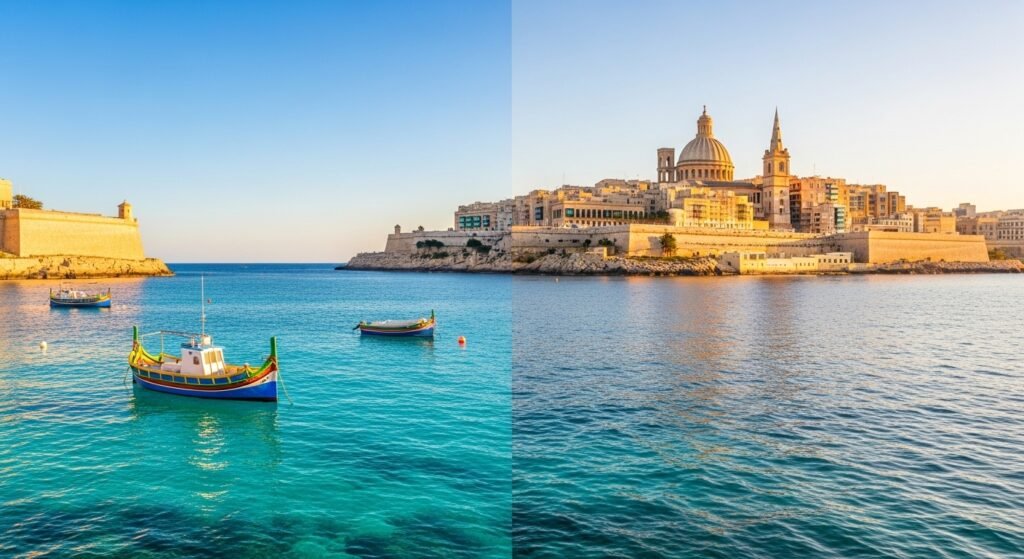
Malta is a small island in the south of the Mediterranean Sea that oozes history and charm. This Malta travel guide will show you how this tiny nation packs in a ton of variety for every traveler. You can spend your mornings wandering through UNESCO-listed cities and your afternoons swimming in turquoise lagoons. The island is famous for having over 300 days of sun every single year. It features stunning baroque architecture and those famous traditional balconies you see in all the photos.
An Introduction to the Maltese Archipelago
The Maltese islands are located right in the heart of the Mediterranean south of Sicily. This archipelago consists of three main islands which are Malta, Gozo, and Comino. Malta is the largest island and serves as the cultural and commercial hub. Gozo is the second largest and offers a much slower pace of life with rolling countryside. Comino is the smallest and is famous for the incredible Blue Lagoon.
- Honey-Colored Limestone: Almost all the buildings are made from this local stone which glows in the sun.
- Baroque Architecture: You will find grand churches and palaces decorated with intricate stone carvings.
- Traditional Balconies: These colorful enclosed wooden boxes are a staple of Maltese street views.
- Mediterranean Lifestyle: People here enjoy a relaxed pace with plenty of time for coffee and outdoor dining.
This Malta travel guide highlights that the islands are very small and easy to explore. You can get from one side of the main island to the other in under an hour. This makes it a great spot for a short break or a longer holiday. You can see a lot of different things without spending all day in a car.
Is Malta Worth Visiting?
You might be wondering if this little spot in Europe is worth your precious vacation time. The answer is a huge yes because it offers great value depending on how you travel. It is often more affordable than many other popular Mediterranean destinations like the French Riviera. You get world-class beaches and deep history without breaking the bank.
- UNESCO World Heritage: The entire capital city of Valletta is a protected site because of its history.
- Crystal Clear Water: The sea around the islands is some of the cleanest and clearest in the world.
- Winter Sun: While the rest of Europe is freezing, Malta stays mild and sunny.
- Thriving Food Scene: You can find everything from cheap street snacks to high-end Michelin meals.
The island has fast become a favorite for travelers who want a bit of everything. It is a place where centuries of history meet a beautiful and rugged coastline. Whether you like hiking or just tanning, there is a spot for you. It really does have something for every type of traveler who visits.
A Journey Through Time: Malta’s Rich History
History is everywhere you look in this country and it goes back thousands of years. You can find prehistoric temples that are older than the pyramids in Egypt. These ancient sites like Ħaġar Qim show how people lived here during the Stone Age. It is wild to think about people building these massive structures so long ago.
The Knights of St John played a massive role in shaping what the island looks like today. They built the massive fortifications around the Grand Harbour to protect against invaders. They also built the beautiful baroque palaces and churches in Valletta. Their influence is the reason the island has such a grand and royal feel.
- Prehistoric Temples: Sites like Ġgantija on Gozo date back to 3600 BC.
- Roman Influence: You can visit the remains of Roman villas and ancient catacombs in Rabat.
- The Great Siege: The knights famously defended the island against the Ottoman Empire in 1565.
- British Rule: Malta was a British colony for over 150 years which left a big mark.
The British legacy is why everyone speaks English and they drive on the left side. You will even see the iconic red phone boxes in some of the older towns. During World War II, the island was the most bombed place on earth. The bravery of the people earned them the George Cross which is on the national flag.
Planning Your Trip: Best Time to Visit
Picking the right time for your trip can change your whole experience on the island. This malta travel guide breaks down what to expect during different seasons of the year. Summer is the most popular time but it might be too hot for some people. Each season offers something unique for different kinds of travelers.

Summer (June–August)
This is the classic Euro summer vibe with long sunny days and warm sea temperatures. The water is perfect for swimming and the islands are full of life and energy. It is the best time for boat trips and lounging on the beach. However, you should be ready for some serious heat and very crowded spots.
- High Energy: The beaches and bars are packed and there is a constant festive mood.
- Sea Temperature: The water hits a warm 25–27°C which is perfect for staying in all day.
- Crowded Spots: Popular places like the Blue Lagoon will be very busy with tourists.
- Peak Prices: Expect to pay the highest rates for hotels and flights during these months.
Shoulder Seasons (May–June, September–October)
These months are often considered the best time to visit for most people. The weather is still hot enough for swimming but the intense heatwaves have passed. September is a personal favorite because the sea is still very warm from the summer. You can enjoy the sights without the massive midday crowds of August.
- Perfect Weather: Temperatures usually sit between 22–28°C which is great for exploring.
- Fewer Crowds: You can actually find a spot to sit at the popular beaches.
- Mid-Range Prices: Hotels are more affordable compared to the peak summer rush.
- Outdoor Activities: It is a great time for hiking or walking through the cities.
Winter & Spring (November–April)
Winter in Malta is nothing like winter in Northern Europe or the USA. It stays quite mild with temperatures usually around 15–20°C. It is the quietest time of the year which makes it perfect for a budget trip. Spring brings beautiful wildflowers that bloom across the green countryside of Gozo.
- Quiet Streets: You can have the historic sites almost to yourself.
- Lowest Prices: You can find amazing deals on luxury hotels during the off-season.
- Cultural Exploration: It is the best time for visiting museums and historic churches.
- Green Landscapes: The islands look much more lush and green than they do in summer.
Getting to the Maltese Islands
Getting to this Mediterranean escape is actually quite easy from most places. Most people arrive by air at the Malta International Airport which is very modern. It is located just outside the capital city and serves many airlines. You can find flights from almost every major city in Europe.
- Direct Flights: Major hubs like London, Paris, Rome, and Frankfurt have regular flights.
- US Connection: There is now a direct flight option from New York to Valletta.
- Easy Transfers: The airport is small so you can get through security and out quickly.
- Transport Apps: You can use apps like Bolt to get a ride to your hotel easily.
If you are already in Italy, you can take a high-speed ferry from Sicily. The trip from Pozzallo takes about 90 minutes and is a great way to arrive. You get to see the amazing fortifications of the Grand Harbour from the water. It is one of the most beautiful port arrivals in the entire Mediterranean.
Getting Around Without a Hire Car
You do not necessarily need a car to have a great time on the islands. This malta travel guide suggests using public transport or ride-sharing to save stress. The roads are quite narrow and parking in the old cities can be a nightmare. Most of the main tourist spots are well-connected by other means.
- Public Buses: These are very cheap and cover almost the entire island.
- Ride-Sharing: Both Uber and Bolt work here and are very reliable and fast.
- Ferries: Taking a ferry between Sliema and Valletta is faster than the bus.
- Traditional Boats: You can take a small wooden boat called a Dgħajsa across the harbour.
Buses can get very crowded in the summer so plan for some extra time. If you are in a rush, a Bolt is usually the best way to go. The ferries are great because they offer amazing views of the skyline for a low price. For Gozo, there is a large ferry that runs every 45 minutes from Cirkewwa.
Where to Stay in Malta: The Best Regions
Choosing the right area to stay in can make your trip much more enjoyable. Each part of the island has its own unique vibe and energy. Valletta is great for history lovers while Sliema is better for shopping. Think about what you want to do most before you book your hotel.
Valletta – Culture, Architecture & Food
Valletta is the perfect base if you want to be in the heart of the action. It is a UNESCO site and every single street is absolutely beautiful to look at. You can wake up early and wander the quiet streets before the crowds arrive. It is also home to some of the best wine bars and restaurants.
- Boutique Stays: Many old palazzos have been turned into stunning high-end hotels.
- Central Hub: The main bus terminal is right outside the city gates for easy travel.
- History Everywhere: You are surrounded by museums, churches, and grand monuments.
- Walkable City: You can walk from one side of the city to the other in 15 minutes.
Sliema & St. Julian’s – Nightlife & Convenience
If you want a more modern feel with lots of shops and bars, stay here. This area is full of waterfront promenades where people walk every evening. It is very convenient for hopping on boat tours and catching the ferry. St. Julian’s is the place to go if you want to party late into the night.
- Waterfront Views: Many hotels offer rooms that look right across to Valletta.
- Shopping Hub: You will find plenty of international brands and local boutiques.
- Dining Variety: There are hundreds of cafes and restaurants along the coast.
- Ease of Access: It is very easy to find taxis and buses in this busy area.
Mdina – A Quieter Stay
Mdina is known as the Silent City and staying here is a magical experience. It is an ancient walled city on a hill with narrow, winding streets. Once the day-trip tourists leave, the city becomes incredibly quiet and peaceful. It feels like stepping back in time to the Middle Ages.
- Fairytale Vibe: The limestone walls and old lanterns create a storybook atmosphere.
- Luxury Options: You can stay in high-end hotels like The Xara Palace.
- Panoramic Views: Since it is on a hill, you can see across the whole island.
- Total Peace: It is the best spot if you want to escape the noise of the coast.
Essential Places to Visit in Malta
There are so many cool spots to check out that you might need to prioritize. This malta travel guide covers the must-see locations for any first-time visitor. From grand cities to tiny fishing villages, the variety is quite impressive. Make sure to bring a good camera because every corner is a photo op.
Valletta: The Glamorous Capital

Valletta might be small but it is packed with interesting things to see. You should start by wandering aimlessly through its labyrinth of streets. Zekka Street is a great spot to get a photo of the church skyline. Don’t miss the colorful balconies on Triq San Gwann which are super iconic.
The Upper Barrakka Gardens offer the best panoramic views of the Grand Harbour. You can watch the Saluting Battery fire cannons every day at noon and 4 pm. Inside the city, St. John’s Co-Cathedral is a must-see for its gold-leaf walls. It even houses famous paintings by the artist Caravaggio.
- Strait Street: This used to be the main nightlife hub for sailors and is still very cool.
- Yard 32: A famous gin bar with over 200 different kinds of gin to try.
- Muża: This is the national art museum and is located in a beautiful old building.
- Lower Barrakka Gardens: A quieter garden with a great view of the Siege Bell Memorial.
Mdina: The Silent City

Mdina is a 4,000-year-old medieval city that used to be the island’s capital. It is completely enclosed within massive stone walls that are perfectly preserved. Fans of Game of Thrones will recognize the city gate as the entrance to King’s Landing. It is one of the most atmospheric places you will ever visit in Europe.
The best way to enjoy Mdina is to just get lost in its narrow walkways. There are no cars allowed for residents only, which keeps it very quiet. You can grab a slice of cake at Fontanella Tea Garden for a great view. Coogi’s is another popular restaurant that has a beautiful courtyard filled with flowers.
Rabat and Its Ancient History
Right next to Mdina is the town of Rabat, which has its own deep history. It is famous for St. Paul’s Catacombs, which are a massive underground cemetery. They were used by Christians, Jews, and Pagans during the Roman era. It is a very cool and slightly spooky place to explore on a hot day.
- Domvs Romana: You can see the ruins of an ancient Roman house with beautiful mosaics.
- St. Paul’s Grotto: Tradition says that St. Paul stayed here after being shipwrecked.
- Local Life: Rabat feels more like a real Maltese town than the touristy areas.
- Pastizzi Shops: Some of the best and cheapest pastizzi can be found in this town.
The Three Cities
The Three Cities are Vittoriosa, Senglea, and Cospicua, located across the harbour from Valletta. They offer a much more authentic and local feel than the main capital. Vittoriosa, also known as Birgu, is the most historic and was the first home of the knights. You can wander the streets here and see how people really live.
You can take a traditional boat across the water for just a few euros. Fort St. Angelo is a massive fortress that dominates the tip of Birgu. It played a huge role in the Great Siege and is open for visitors. The waterfront areas have been fixed up and are great for a quiet dinner.
Marsaxlokk: The Traditional Fishing Village

Marsaxlokk is a charming village in the south known for its colorful fishing boats. These boats are called Luzzus and have eyes painted on the front for good luck. It is the best place on the island to see a traditional way of life. The waterfront is lined with restaurants serving the freshest fish you can imagine.
There is a huge market every Sunday that attracts locals and tourists alike. You can buy everything from fresh fish to local honey and lace. However, it can get very crowded so try to go early in the morning. If you want a quieter experience, visit on a weekday when it’s much more peaceful.
St. Peter’s Pool and Natural Wonders

If you like swimming in unique spots, you have to go to St. Peter’s Pool. It is a natural horseshoe-shaped pool carved into the white limestone cliffs. The water is a stunning azure color and is crystal clear for snorkeling. Many people come here just to watch the local “cliff jumpers” do stunts.
- The Hike: It is a scenic 30-minute walk from Marsaxlokk if you don’t have a car.
- Blue Grotto: A series of sea caves with glowing blue water that you can visit by boat.
- Dingli Cliffs: The highest point on the island with dramatic views of the open sea.
- Għar Lapsi: A small rocky cove that is a favorite for local swimmers and divers.
Sliema, St. Julian’s, and Spinola Bay
Sliema is the main commercial hub and is a great place for a walk along the sea. You can find the Roman Baths which are pools carved into the rock for swimming. The Pastry Park in Sliema is a top-rated spot for high-quality éclairs. It is also where most of the harbour cruise boats depart from.
Spinola Bay in St. Julian’s is one of the most photographed spots on the island. It is full of traditional boats and modern restaurants around the water. Piccolo Padre is a highly recommended Italian spot with a balcony over the bay. Just up the hill is Paceville, which is the center of the island’s clubbing scene.
The Best Beaches and Coastal Escapes
While much of the coast is rocky, Malta does have some beautiful sandy beaches. Most of these are located in the north of the main island. They can get very busy on summer weekends when everyone heads to the sea. This malta travel guide recommends visiting on a weekday if you can.
- Golden Bay: A wide sandy beach with great facilities and beautiful sunsets.
- Għajn Tuffieħa: Located right next to Golden Bay but much more rugged and natural.
- Mellieħa Bay: The largest sandy beach which is great for families with young kids.
- Paradise Bay: A smaller, hidden beach near the ferry terminal with very clear water.
Għajn Tuffieħa is often considered the most beautiful because of its red sand. You have to walk down about 200 stairs to get there, which keeps it a bit quieter. Golden Bay is easier to access and has several cafes and hotels right on the sand. Mellieħa Bay is very shallow for a long way out, making it very safe for swimming.
Island Hopping: Gozo and Comino
You cannot visit Malta without spending some time on its sister islands. They offer a completely different feel and some of the best water in the world. You can visit them as day trips or stay for a few nights. Gozo is much more rural and green than the main island.
The Island of Gozo

Gozo feels like a completely different world where life moves much slower. The capital is Victoria and it features a massive fortress called the Citadella. You can walk along the walls and see across the entire island of Gozo. The island is known for its beautiful farmhouses and rugged coastline.
- Ramla Bay: A unique beach with bright orange sand and a statue of the Virgin Mary.
- Dwejra Bay: The site where the Azure Window used to stand before it collapsed.
- Blue Hole: A world-famous diving spot that looks like a natural deep swimming pool.
- Ta’ Pinu Basilica: A massive and beautiful church built in the middle of the countryside.
Comino and the Blue Lagoon

Comino is a tiny island with almost no residents but thousands of visitors. It is home to the Blue Lagoon which has the most turquoise water you will ever see. This looks like a giant swimming pool because the sand is so white. It is the perfect place for snorkeling and taking amazing photos.
The lagoon gets incredibly crowded by noon so try to get the earliest boat possible. If you want to escape the crowd, walk further into the island to find Crystal Lagoon. There are also several small walking paths that lead to old towers and quiet coves. Make sure to bring plenty of water and sunblock because there is very little shade.
Adventure and Activities
For those who want more than just tanning, there are plenty of activities to do. Malta is one of the top destinations in Europe for scuba diving. The water is clear and there are many shipwrecks from WWII to explore. You can find diving schools for beginners and advanced divers alike.
- Wreck Diving: Explore famous sunken ships like the HMS Maori near Valletta.
- Rock Climbing: The limestone cliffs offer hundreds of routes for all levels.
- Hiking: The Victoria Lines is a massive defensive wall you can hike across the island.
- Kayaking: You can rent kayaks to explore the sea caves around the coast.
The winter and spring are the best times for hiking and climbing because it’s not too hot. You can walk along the coastal cliffs of Gozo for some truly epic views. Snorkeling is also great almost everywhere because the water is so clear. You will see plenty of fish even right next to the shore.
A Taste of Malta: Essential Food and Drink

Maltese food is a mix of Mediterranean flavors with a heavy influence from Italy and North Africa. It is very hearty and focused on local ingredients like rabbit and honey. This malta travel guide insists that you try at least a few traditional dishes. You can find great local food in almost every village square.
- Pastizzi: The most famous snack, a flaky pastry filled with ricotta or peas.
- Fenek: Traditional rabbit stew slow-cooked with garlic, wine, and herbs.
- Ġbejniet: Small round cheeses made from sheep or goat milk.
- Ftira: A traditional Maltese sourdough bread usually topped with tuna and capers.
Don’t miss the local seafood, especially the Lampuki which is a type of dolphin fish. Timpana is another popular dish which is basically macaroni pie baked in pastry. For a local drink, try Kinnie, which is a bitter orange soda that people either love or hate. Cisk is the local lager and is perfect for a hot day by the sea.
Local Culture and Festivals
The Maltese are very proud of their culture and traditions, especially their religion. Every village has a patron saint and they throw a massive party called a Festa every summer. These festivals feature incredible fireworks, brass bands, and tons of food. If your visit overlaps with a Festa, you should definitely check it out.
- Village Festas: Loud and colorful celebrations that happen every weekend in summer.
- Carnival: A huge celebration in February with colorful floats and costumes.
- Religious Processions: Very serious and grand events during Easter week.
- Local Artisans: You can find high-quality lace and silver filigree jewelry being made.
The people are generally very friendly and helpful to tourists. When visiting churches, make sure to dress modestly by covering your shoulders and knees. Most locals are fluent in English which makes communication very easy. They love to talk about their history and their local traditions.
Suggested Itineraries for Every Traveler
Depending on how much time you have, here are a few ways to structure your trip. These are designed to help you see the highlights without feeling too rushed. You can always adjust these based on your personal interests. Malta is small enough that you can see a lot in a short time.
3-Day Snapshot
- Day 1: Explore Valletta and the Three Cities across the harbour.
- Day 2: Visit the Silent City of Mdina and the catacombs in Rabat.
- Day 3: Take a boat trip to the Blue Lagoon on Comino for the day.
5-Day Explorer
- Day 1-3: Follow the 3-day plan above.
- Day 4: Spend a full day on Gozo visiting Victoria and Ramla Bay.
- Day 5: Visit Marsaxlokk fishing village and swim at St. Peter’s Pool.
7-Day Ultimate Tour
- Day 1-2: Deep dive into Valletta and the harbour area.
- Day 3: Mdina, Rabat, and the Dingli Cliffs for sunset.
- Day 4: A full day of beach hopping in the north at Golden Bay.
- Day 5-6: Stay overnight on Gozo to see the quieter side of life.
- Day 7: Comino and the Blue Lagoon before heading back.
Essential Travel Tips
Before you pack your bags, here are some final bits of advice. This malta travel guide wants to make sure your trip goes as smoothly as possible. Knowing these small details can save you time and money once you arrive. It is a very safe country but a little preparation always helps.
- Currency: They use the Euro and credit cards are widely accepted everywhere.
- Plugs: They use the three-pin UK-style plugs so bring an adapter if needed.
- Tap Water: It is safe to drink but has a very salty taste, so most people buy bottled water.
- Safety: Malta is one of the safest countries in Europe for solo travelers.
Is Malta expensive? It really depends on your style but it’s generally very affordable. You can get a snack like a pastizzi for less than 1 Euro. A nice dinner for two will usually cost around 40-50 Euros including wine. Public transport is very cheap and Bolt is much cheaper than taxis in the US.
Final Thoughts on Your Malta Adventure
Malta is a place that captures your heart with its “faded glamour” and ancient stone streets. It is an island where you can truly relax and soak in thousands of years of human history. Whether you are there for the party in St. Julian’s or the peace of Gozo, you will find it. This malta travel guide should give you all the tools to plan an epic Mediterranean escape. Enjoy the sun and the incredible turquoise waters of this tiny island nation!
FAQs
What is the currency used in Malta?
Malta uses the Euro. It is widely accepted across all islands in shops, restaurants, and for transport. Most establishments accept credit and debit cards, but it is always useful to carry a small amount of cash for traditional markets or small kiosks in rural areas.
Do I need a visa to visit Malta?
Malta is part of the Schengen Area. Residents of the EU, UK, USA, Canada, and Australia typically do not need a visa for short stays up to 90 days. Always check the latest government travel requirements before booking your trip to ensure your specific nationality is covered.
Is tap water safe to drink in Malta?
The tap water is technically safe to drink as it meets all safety standards, but it is desalinated seawater. This gives it a very distinct salty and chlorinated taste that most travelers find unpleasant. Most visitors and locals prefer to purchase bottled water or use filtered water systems for drinking.
What type of power plug is used in Malta?
Malta uses the Type G power plug, which is the same three-pin rectangular plug found in the United Kingdom. If you are traveling from the US or mainland Europe, you will need a power adapter for your electronics. The standard voltage is 230V with a frequency of 50Hz.
Is English widely spoken in Malta?
English is one of the two official languages of Malta, alongside Maltese. Almost every local speaks fluent English, and all street signs, menus, and official documents are written in English. This makes it an incredibly easy destination for English-speaking travelers to navigate.
Which side of the road do they drive on in Malta?
Following its history as a British colony, Malta drives on the left-hand side of the road. This is important to remember if you decide to hire a car or even when you are crossing the street as a pedestrian.
Are there any specific dress codes for visiting churches?
Malta is a culturally conservative and religious country. When entering any of the 365 churches on the island, you are expected to dress modestly. This means covering your shoulders and knees. Many churches provide shawls at the entrance if you are wearing a tank top or shorts.
Is Malta a safe destination for solo travelers?
Malta is consistently ranked as one of the safest countries in Europe. Violent crime is extremely rare, and solo travelers, including women, generally feel safe walking alone at night. Standard travel common sense regarding pickpockets in crowded tourist hubs like Paceville still applies.
Can I use my mobile data plan in Malta?
If you have a SIM card from another EU country, you can use your data, minutes, and texts just like you do at home without extra roaming charges. Travelers from outside the EU should consider buying a local prepaid SIM card from providers like Epic or Go for affordable data access.
How much should I tip in Malta?
Tipping is expected but not mandatory in Malta. In restaurants, a tip of 5% to 10% is standard if a service charge is not already included in the bill. For taxis or cafe service, rounding up to the nearest euro is a common and appreciated gesture.
What is the emergency number in Malta?
The general emergency number for police, fire, or ambulance services in Malta is 112. This is a free call from any phone and will connect you to an operator who speaks English.
Is Malta wheelchair accessible?
Valletta and the newer promenade areas like Sliema are generally accessible, but many older towns have very narrow, steep, and uneven limestone streets. Public buses are equipped with ramps, but navigating the ancient hills of Mdina or the rugged terrain of Gozo can be challenging for those with limited mobility.
What are the shop opening hours in Malta?
Most shops in major areas are open from 9:00 AM to 7:00 PM. In smaller villages, many shops still follow the tradition of closing for a few hours in the afternoon for a “siesta” between 1:00 PM and 4:00 PM. Most shops, except those in heavy tourist zones, are closed on Sundays.
Do I need to worry about jellyfish while swimming?
Jellyfish can occasionally be found in Maltese waters, especially when the wind blows in a certain direction. There is a helpful local website and app that tracks jellyfish sightings daily. Most stings are minor, but it is always good to check the water before diving in.
Are there sandy beaches in Malta?
While much of Malta’s coastline is rocky, there are beautiful sandy beaches primarily in the north. Locations like Golden Bay, Mellieħa Bay, and Għajn Tuffieħa offer soft sand and shallow waters. Gozo also features the famous orange sands of Ramla Bay.
What is the legal drinking age in Malta?
The legal age for purchasing and consuming alcohol in Malta is 17. You may be asked for identification at bars and clubs in nightlife districts like Paceville or during village festivals.
Can I fly a drone in Malta?
Drone laws in Malta follow EASA (European Union Aviation Safety Agency) regulations. You must register as an operator and follow strict height and location restrictions. Flying drones over crowded areas like Valletta or near the airport is strictly prohibited without a special permit.
Is public transport reliable in Malta?
The bus network is extensive and reaches almost every corner of the islands. While they are a great budget option, they can be prone to delays due to heavy traffic in the central areas. During the peak summer months, buses on popular routes to the beaches often fill up quickly.
What is the main religion in Malta?
The vast majority of the population is Roman Catholic. Religion plays a huge role in the local culture, which is why the village festas and religious holidays are celebrated with such passion and grand displays of fireworks.
Are there many pharmacies in Malta?
Pharmacies are very common and easily identifiable by a green cross. They are usually open during standard retail hours, and there is always a rotating roster of pharmacies open on Sundays and public holidays across the island to ensure medical access.